
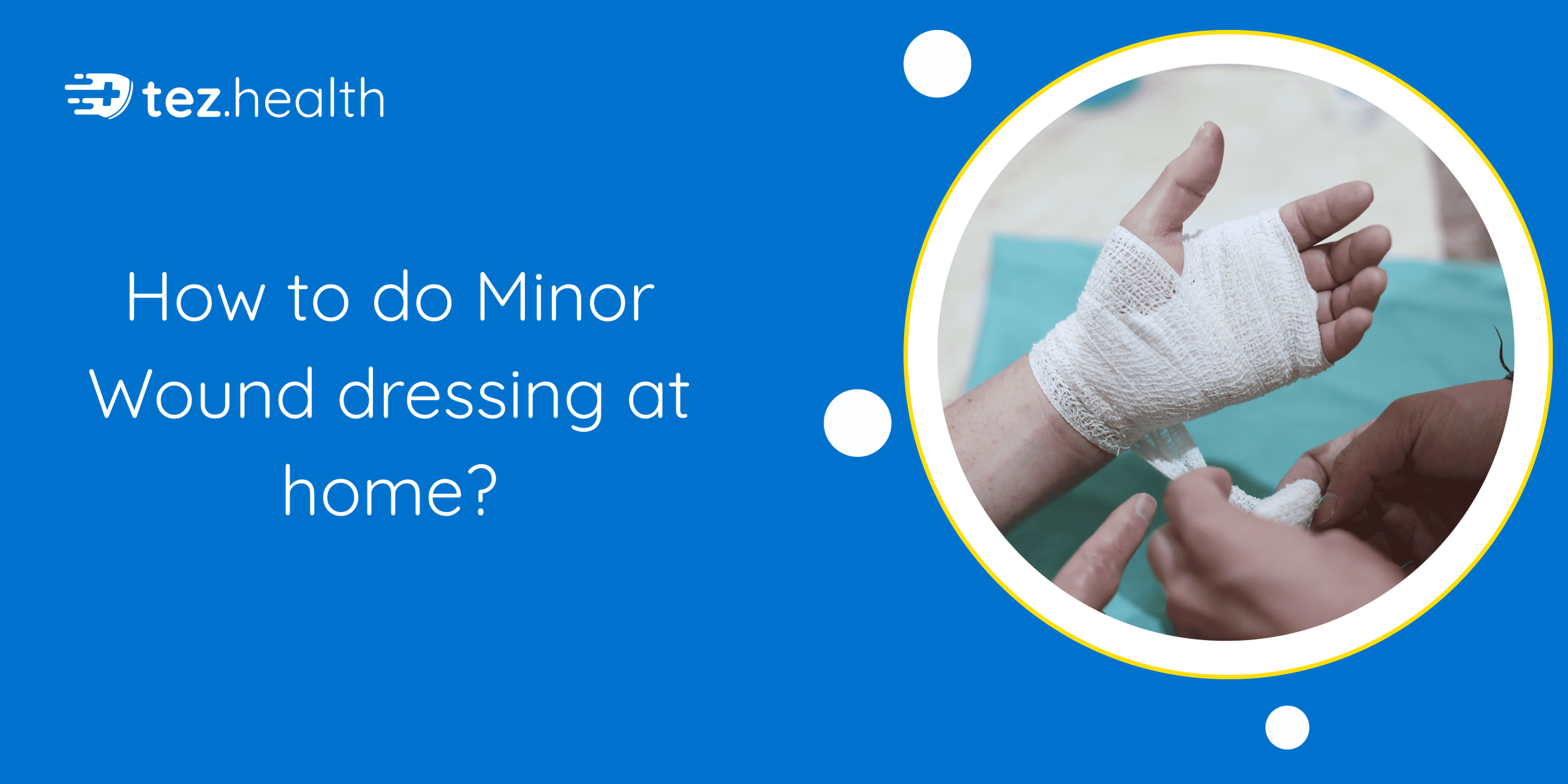
Minor cuts, scrapes, and small wounds are common in daily life. Whether it’s a kitchen knife cut, a child’s fall, or a small injury during shaving, knowing how to do minor wound dressing at home properly can prevent infection and promote faster healing.
Proper home wound care reduces complications, avoids unnecessary hospital visits, and ensures safe recovery. However, even small wounds must be cleaned and dressed correctly to avoid infection.
This detailed guide explains:
- What qualifies as a minor wound
- Supplies needed for minor wound dressing
- Step-by-step wound cleaning and dressing process
- Signs of infection
- When to consult a doctor
What Is a Minor Wound?
A minor wound typically includes:
- Small cuts
- Superficial lacerations
- Minor abrasions (scrapes)
- Small kitchen injuries
- Mild shaving cuts
- Small puncture wounds (non-deep)
A wound is considered minor if:
- Bleeding is mild and stops within 5–10 minutes
- The wound is not deep
- No muscle or bone is visible
- The person is conscious and stable
If bleeding is heavy, wounds are deep, or edges are widely separated — seek medical help immediately.
Why Proper Minor Wound Dressing Is Important
Even small wounds can become infected if not treated correctly.
Proper minor wound dressing at home helps:
- Remove dirt and bacteria
- Prevent infection
- Promote faster healing
- Reduce scarring
- Protect from dust and friction
Supplies Needed for Minor Wound Dressing at Home
Before starting, gather:
- Clean water or sterile saline
- Mild antiseptic solution
- Sterile gauze pads
- Adhesive bandage or medical tape
- Clean cotton
- Antibiotic ointment (if prescribed)
- Disposable gloves (if available)
- Hand sanitizer
Always use clean and sterile materials for safe home wound care.
Step-by-Step Guide: How to Do Minor Wound Dressing at Home
Follow these steps carefully.
Step 1: Wash Your Hands Thoroughly
Hand hygiene is the most important step.
- Wash hands with soap and water for at least 20 seconds
- Dry with a clean towel
- Use hand sanitizer
- Wear disposable gloves if available
This reduces infection risk.
Step 2: Stop the Bleeding
For minor bleeding:
- Apply gentle pressure using clean gauze
- Hold steady pressure for 5–10 minutes
- Elevate the injured area if possible
Do not repeatedly check the wound while applying pressure.
If bleeding does not stop after 10 minutes, seek medical care.
Step 3: Clean the Wound Properly
Cleaning removes dirt and bacteria.
- Rinse the wound gently under clean running water
- Use sterile saline if available
- Remove visible dirt carefully
- Avoid using harsh chemicals directly inside the wound
Mild antiseptic can be applied around the wound, not deep inside unless advised.
Do not use:
- Toothpaste
- Turmeric
- Coffee powder
- Random home remedies
These may increase infection risk.
Step 4: Dry the Area Gently
Use sterile gauze to pat dry.
Do not rub the wound.
Moisture control helps proper healing.
Step 5: Apply Antibiotic Ointment (If Needed)
Apply a thin layer of prescribed antibiotic cream.
Do not overuse.
This step helps prevent bacterial infection.
Step 6: Cover the Wound
Place a sterile gauze pad or adhesive bandage over the wound.
Ensure:
- Full coverage
- Not too tight
- Comfortable fit
Secure with medical tape if necessary.
How Often Should You Change the Dressing?
For minor wounds:
- Change once daily
- Change sooner if dressing becomes wet or dirty
- Keep wound clean and dry
Once the wound starts forming a scab and shows no discharge, it may not require constant covering.
Signs of Infection in Minor Wounds
Even minor wounds can get infected.
Watch for:
- Increasing redness
- Swelling
- Warmth around wound
- Pus discharge
- Foul smell
- Increased pain
- Fever
If these appear, consult a doctor immediately.
Special Considerations
Minor Wound in Children
- Clean gently
- Avoid strong antiseptics
- Keep covered to prevent scratching
Minor Wound in Elderly
Healing may be slower. Monitor closely for infection.
Minor Wound in Diabetic Patients
Extra caution is needed. Even small cuts can worsen quickly.
Consult a doctor if healing is delayed.
What Not to Do in Minor Wound Care
Avoid these common mistakes:
- Touching wound with unwashed hands
- Using dirty cloth
- Leaving wound open in dusty environment
- Applying excessive antiseptic
- Removing scab forcefully
- Ignoring persistent pain
Improper minor wound dressing can delay healing.
When to See a Doctor
Seek professional doctor’s help if :
- Bleeding doesn’t stop
- Wound is deep
- Animal or human bite
- Rusty object injury (tetanus risk)
- Signs of infection
- Wound edges are gaping
- You have diabetes or weak immunity
Timely medical attention prevents complications.
How Long Does a Minor Wound Take to Heal?
Most minor wounds heal within:
- 3–7 days for small cuts
- 1–2 weeks for larger abrasions
Healing time depends on:
- Age
- Nutrition
- Hygiene
- Medical conditions
Healthy diet supports faster recovery.
Nutrition Tips for Faster Wound Healing
Include:
- Protein-rich foods
- Vitamin C
- Iron
- Zinc
- Adequate hydration
Good nutrition improves tissue repair.
Benefits of Proper Minor Wound Dressing at Home
- Prevents infection
- Reduces hospital visits
- Saves cost
- Speeds up recovery
- Improves comfort
Home wound care is effective when done correctly.
Conclusion:
Minor wounds may seem small, but proper care makes a big difference. Knowing how to do minor wound dressing at home ensures safe healing and prevents infection.
Always prioritize hygiene, use sterile materials, and monitor for infection signs.
If you are unsure or notice delayed healing, consult a healthcare professional promptly.
Proper wound care today prevents complications tomorrow.