
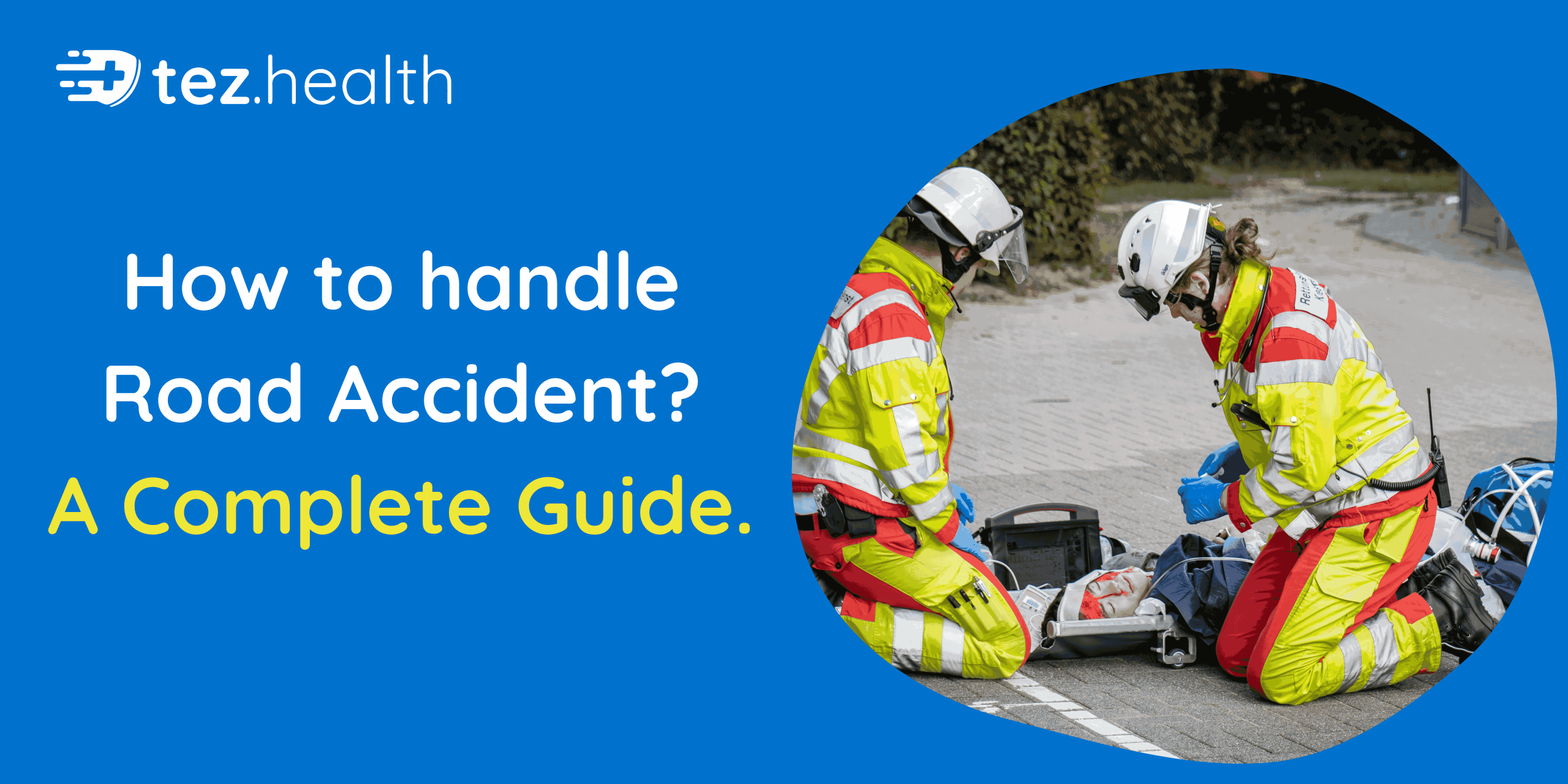
Road accidents can happen within seconds. One moment traffic flows normally, and the next there is confusion, damaged vehicles, injured individuals, and panic. In these critical moments, the actions taken by drivers, passengers, or bystanders can directly impact survival outcomes.
Knowing how to handle a road accident emergency is not just helpful—it is a responsibility. Quick thinking, calm action, and basic first aid knowledge can prevent complications, reduce bleeding, and even save lives.
This comprehensive guide explains the essential first steps to take after a road accident, including ensuring safety, calling emergency services, providing first aid, avoiding common mistakes, and supporting victims until professional help arrives.
Why Immediate Action Matters
The first few minutes after an accident are often called the Golden Hour in trauma care. Prompt medical attention during this time significantly improves survival chances.
Many fatalities occur not only from the impact itself, but due to:
- Severe blood loss
- Blocked airways
- Untreated internal injuries
- Delayed emergency response
Acting quickly and correctly can stabilize victims until trained responders arrive.
Step 1: Ensure Your Own Safety First
Before assisting anyone, confirm that the environment is safe.
- Park your vehicle away from traffic
- Turn on hazard lights
- Place reflective warning triangles if available
- Check for leaking fuel or fire risk
- Watch for oncoming vehicles
Do not rush blindly into traffic. Secondary accidents often occur when bystanders stand in active lanes.
Your safety allows you to help others effectively.
Step 2: Secure the Accident Scene
Prevent further harm by controlling the surroundings.
- Signal approaching vehicles to slow down
- Use flashlights or mobile lights at night
- Keep crowds from gathering too closely
- Maintain clear access for emergency vehicles
Organized scenes reduce chaos and allow medical responders to act quickly.
Step 3: Call Emergency Services Immediately
Time is critical. Call emergency services as soon as possible.
Provide clear information:
- Exact location (landmarks, road name, direction)
- Number of injured individuals
- Type of accident (car, bike, pedestrian, multi-vehicle)
- Whether anyone is unconscious or trapped
- Visible serious injuries
Do not assume injuries are minor. Internal trauma is not always visible.
Step 4: Assess the Victims Safely
Approach calmly and introduce yourself.
Use a simple assessment method:
- Check for response: “Can you hear me?”
- Look for breathing
- Identify severe bleeding
- Observe obvious fractures
If the person is unconscious but breathing and there is no suspected spinal injury, place them in the recovery position.
If the person is not breathing and you are trained, begin CPR immediately.
Step 5: Do Not Move the Victim Unnecessarily
One of the most important rules in road accidents:
Do not move the victim unless absolutely necessary.
Only move someone if:
- There is fire risk
- The vehicle may explode
- There is immediate danger from traffic
Accidents commonly cause spinal and neck injuries. Improper movement can lead to paralysis or worsen internal damage.
If movement is unavoidable, support the head and neck in alignment with the spine.
Step 6: Control Severe Bleeding
Severe bleeding can become fatal within minutes.
To control bleeding:
- Apply firm, direct pressure with clean cloth or gauze
- Do not remove soaked cloth—place another layer on top
- Elevate the injured limb if possible
- Continue steady pressure until help arrives
Avoid using tourniquets unless trained.
Stopping blood loss is a top priority.
Step 7: Check Airway and Breathing
If the victim is unconscious:
- Check breathing for 10 seconds
- Clear visible obstructions from the mouth carefully
- If trained, begin CPR (30 compressions and 2 breaths)
- If untrained, provide continuous chest compressions
Early CPR can significantly increase survival rates.
Step 8: Handle Fractures Carefully
Signs of fractures include:
- Swelling
- Deformity
- Severe pain
- Inability to move the limb
Do not attempt to straighten bones.
Instead:
- Immobilize the limb
- Use cloth, cardboard, or sticks for temporary support
- Minimize movement
Stabilization prevents further injury.
Step 9: Monitor for Shock
Shock is a life-threatening condition that can follow trauma.
Common signs:
- Pale or cold skin
- Rapid pulse
- Weakness
- Confusion
- Shallow breathing
If shock is suspected:
- Lay the person flat (unless spinal injury suspected)
- Raise legs slightly if no fractures are present
- Keep them warm with clothing or a blanket
- Reassure them calmly
Calm reassurance can help stabilize breathing and reduce panic.
Special Situations
Motorcycle Accidents
Do not remove a helmet unless:
- The victim is not breathing
- The airway is blocked
Improper helmet removal can worsen neck injuries.
Trapped Victims
Do not attempt forceful removal unless there is fire or immediate danger. Wait for trained rescue personnel.
Pedestrian Accidents
Even if the victim appears stable, encourage medical evaluation. Internal injuries may appear hours later.
Avoid Common Mistakes
In emergency situations, avoid these errors:
- Giving food or water
- Moving victims unnecessarily
- Pulling out embedded objects
- Delaying ambulance calls
- Allowing crowds to gather around the injured
These mistakes can worsen injuries or delay care.
Provide Emotional Support
Accident victims often experience shock and fear.
Offer reassurance:
- Speak calmly
- Say, “Help is on the way.”
- Keep them warm
- Stay with them if safe
Emotional stability supports physical recovery.
Legal Protection for Helpers
Many countries have Good Samaritan laws protecting individuals who help accident victims in good faith.
Helpers are generally:
- Not liable for unintended consequences
- Not obligated to pay medical expenses
- Protected from legal harassment
This encourages bystanders to assist without fear.
When to Seek Medical Attention Even If You Feel Fine
If you were involved in the accident, seek medical care if you notice:
- Headache
- Dizziness
- Nausea
- Chest or abdominal pain
- Neck stiffness
- Blurred vision
Symptoms of concussion or internal bleeding may appear later.
Preventing Road Accidents
Prevention is always better than emergency response.
- Wear seat belts and helmets
- Avoid mobile phone use while driving
- Do not drink and drive
- Follow speed limits
- Maintain safe following distance
- Service your vehicle regularly
Safe driving reduces fatal accidents significantly.
Summary: First Steps After a Road Accident
- Ensure your safety
- Secure the accident scene
- Call emergency services
- Check consciousness and breathing
- Control severe bleeding
- Avoid unnecessary movement
- Monitor for shock
- Reassure the victim
- Wait for professionals
Stay calm. Act methodically. Avoid panic.
Conclusion
Road accidents are sudden and unpredictable. However, your response does not have to be.
Understanding how to handle a road accident emergency equips you to act confidently instead of freezing in fear. Simple steps—ensuring safety, calling for help, controlling bleeding, and preventing further injury—can mean the difference between life and death.
You do not need to be a medical professional to save a life. Calm thinking, quick action, and compassion are often enough until emergency responders arrive.
Preparedness turns ordinary individuals into lifesavers.