
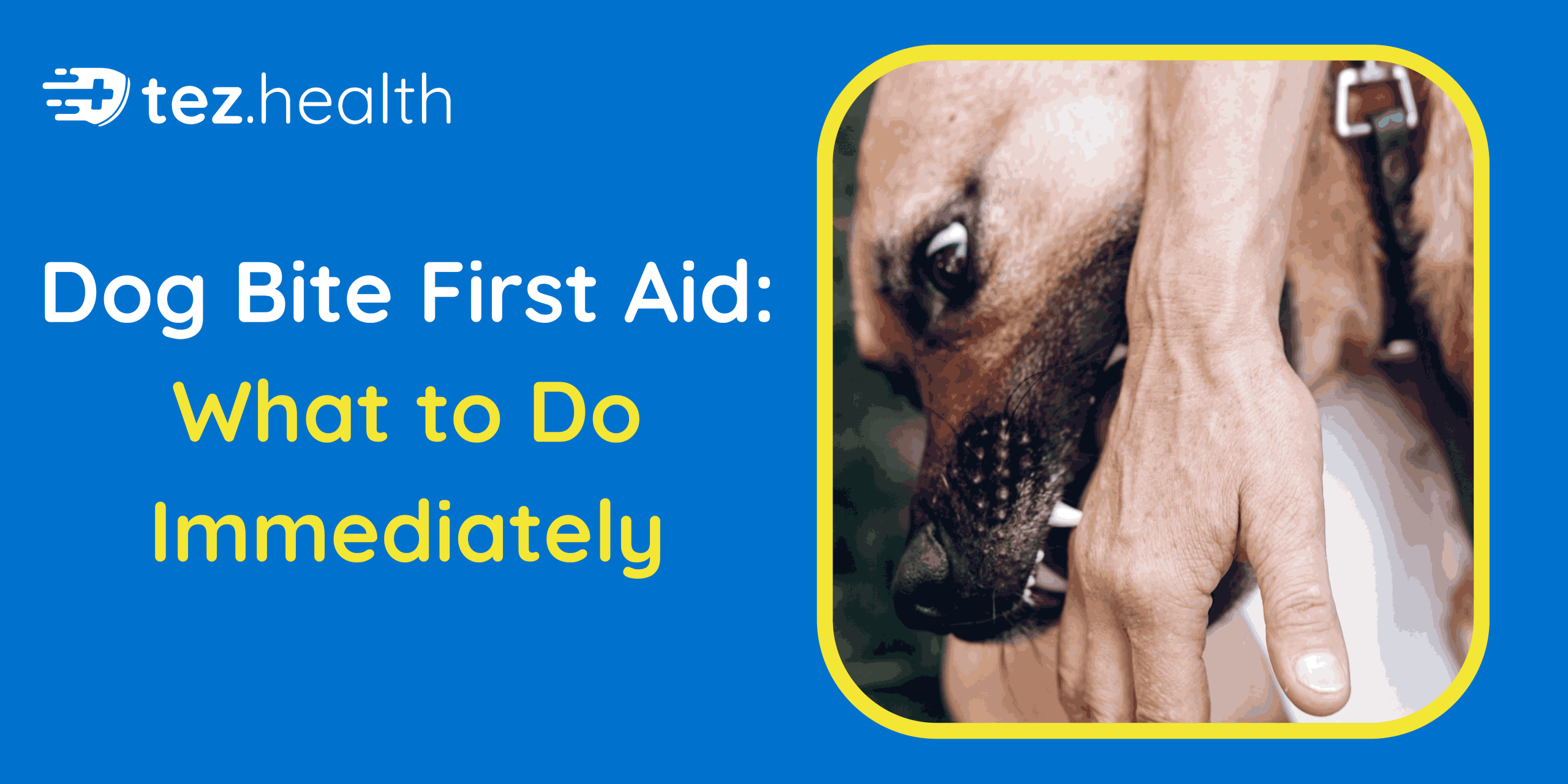
Dog bites are more common than many people realize, and they can happen unexpectedly—even with familiar pets. While some bites are minor, others can lead to serious complications such as infections, nerve damage, or even life-threatening conditions if not treated properly.
Therefore, knowing what to do immediately after a dog bite is crucial. In fact, quick and correct first aid can significantly reduce the risk of infection and improve healing. Moreover, timely medical care can prevent complications like rabies or tetanus.
This comprehensive guide explains step-by-step first aid, wound care, warning signs, and when to seek medical help.
Understanding Dog Bites
Types of Dog Bite Injuries
Dog bites can vary in severity. For example:
- Superficial wounds – scratches or minor cuts
- Puncture wounds – deep holes caused by teeth
- Lacerations – torn skin and tissue
- Crush injuries – damage to deeper tissues
Each type requires a slightly different approach to care.
Why Dog Bites Are Risky
Dog bites are not just skin injuries. In fact, they can introduce harmful bacteria into the body.
Common risks include:
Therefore, proper treatment is essential—even for small bites.
Immediate First Aid Steps for Dog Bites
Basic Steps of first-Aid to ensure safety are :
1. Ensure Safety First
First and foremost, move away from the dog to prevent further injury.
2. Wash the Wound Immediately
This is the most important step.
- Rinse the wound under running water for at least 10–15 minutes
- Use mild soap to clean around the wound
This helps remove bacteria.
3. Control Bleeding
If the wound is bleeding:
- Apply gentle pressure using a clean cloth or sterile gauze
- Continue until bleeding slows or stops
4. Apply an Antiseptic
Use a mild antiseptic solution to reduce infection risk.
5. Cover the Wound
Use a sterile bandage or dressing.
However, avoid wrapping too tightly.
6. Elevate the Area
If possible, raise the injured area to reduce swelling.
7. Seek Medical Advice
Even if the bite seems minor, it is important to consult a doctor.
Treating Minor Dog Bites at Home
If the bite is shallow and not severe:
- Clean the wound thoroughly
- Apply antibiotic ointment
- Cover with a clean dressing
- Change dressing daily
Moreover, monitor the wound closely for infection.
When a Dog Bite Is Serious
Some bites require immediate medical attention.
Warning Signs
- Deep puncture wounds
- Heavy bleeding
- Visible muscles or bones
- Severe pain
- Loss of movement
In such cases, do not delay medical care.
Risk of Infection
Dog mouths carry bacteria that can cause infections.
Signs of Infection
- Redness spreading around the wound
- Swelling
- Warmth
- Pus discharge
- Fever
If these symptoms appear, seek medical help immediately.
Rabies Risk: What You Should Know
Rabies is a serious viral infection transmitted through animal bites.
When to Be Concerned
- The dog is unknown or stray
- The dog is not vaccinated
- The dog behaves unusually
What to Do
- Seek medical help immediately
- Post-exposure rabies vaccination may be required
Tetanus Risk
Tetanus bacteria can enter through open wounds.
Prevention
- Ensure your tetanus vaccination is up to date
- Get a booster if recommended
Do’s and Don’ts After a Dog Bite
Do’s
- Clean the wound immediately
- Apply antiseptic
- Keep the wound covered
- Seek medical advice
Don’ts
- Do not ignore even small bites
- Avoid using unclean materials
- Do not delay medical care for deep wounds
- Avoid home remedies on open wounds
Special Care for Children
Children are at higher risk because:
- Their skin is more delicate
- They may not report bites immediately
Therefore, always inspect and monitor carefully.
Healing Process
Initial Phase
Bleeding stops and clot forms.
Repair Phase
New tissue develops.
Recovery Phase
Skin heals and strengthens.
Healing time depends on:
- Depth of wound
- Infection control
- Overall health
Preventing Dog Bites
Stay Calm Around Dogs
Avoid sudden movements.
Do Not Disturb Eating Dogs
Dogs may react aggressively.
Teach Children Safety
Educate them on how to interact with pets.
Avoid Unknown Dogs
Especially stray or aggressive animals.
Home Care After Medical Treatment
Follow Doctor’s Instructions
Take prescribed medications.
Keep Wound Clean
Change dressings regularly.
Watch for Complications
Monitor for infection or delayed healing.
Role of Home Healthcare Services
For patients with deeper wounds, home healthcare services can help with:
- Professional wound dressing
- Infection monitoring
- Recovery support
This ensures proper healing at home.
When to Seek Emergency Care
Seek immediate help if:
- Bleeding does not stop
- Bite is deep or large
- There are signs of rabies risk
- Infection symptoms appear
- The wound is on face, neck, or hands
Long-Term Complications to Watch For
If untreated, dog bites can lead to:
- Chronic infection
- Scarring
- Nerve damage
- Reduced mobility
Therefore, proper care is essential.
Conclusion
Dog bites can range from minor injuries to serious medical emergencies. Acting quickly by cleaning the wound, controlling bleeding, and preventing infection is critical.
Moreover, understanding the risks of rabies and tetanus ensures timely medical intervention. While minor bites can be managed at home, deeper or risky wounds require professional care.
By following the correct first aid steps, you can protect yourself and your loved ones from complications and ensure safe recovery.
FAQs on dog bite first aid: what to do immediately
1. What should I do immediately after a dog bite?
Wash the wound with water, apply antiseptic, and cover it.
2. Can I treat a dog bite at home?
Yes, minor bites can be treated, but medical advice is recommended.
3. How long should I wash a dog bite?
At least 10–15 minutes under running water.
4. Do all dog bites need rabies shots?
Not always, but consult a doctor to assess risk.
5. What are signs of infection from a dog bite?
Redness, swelling, pus, fever, and pain.
6. Should I cover a dog bite wound?
Yes, use a clean sterile dressing.
7. Can dog bites heal without stitches?
Minor ones can, but deep wounds may need stitches.
8. Is tetanus a risk after a dog bite?
Yes, especially if vaccination is outdated.
9. When should I see a doctor after a dog bite?
If the wound is deep, bleeding, or shows infection signs.
10. How can I prevent dog bites?
Avoid unknown dogs, stay calm, and teach children safe behavior.