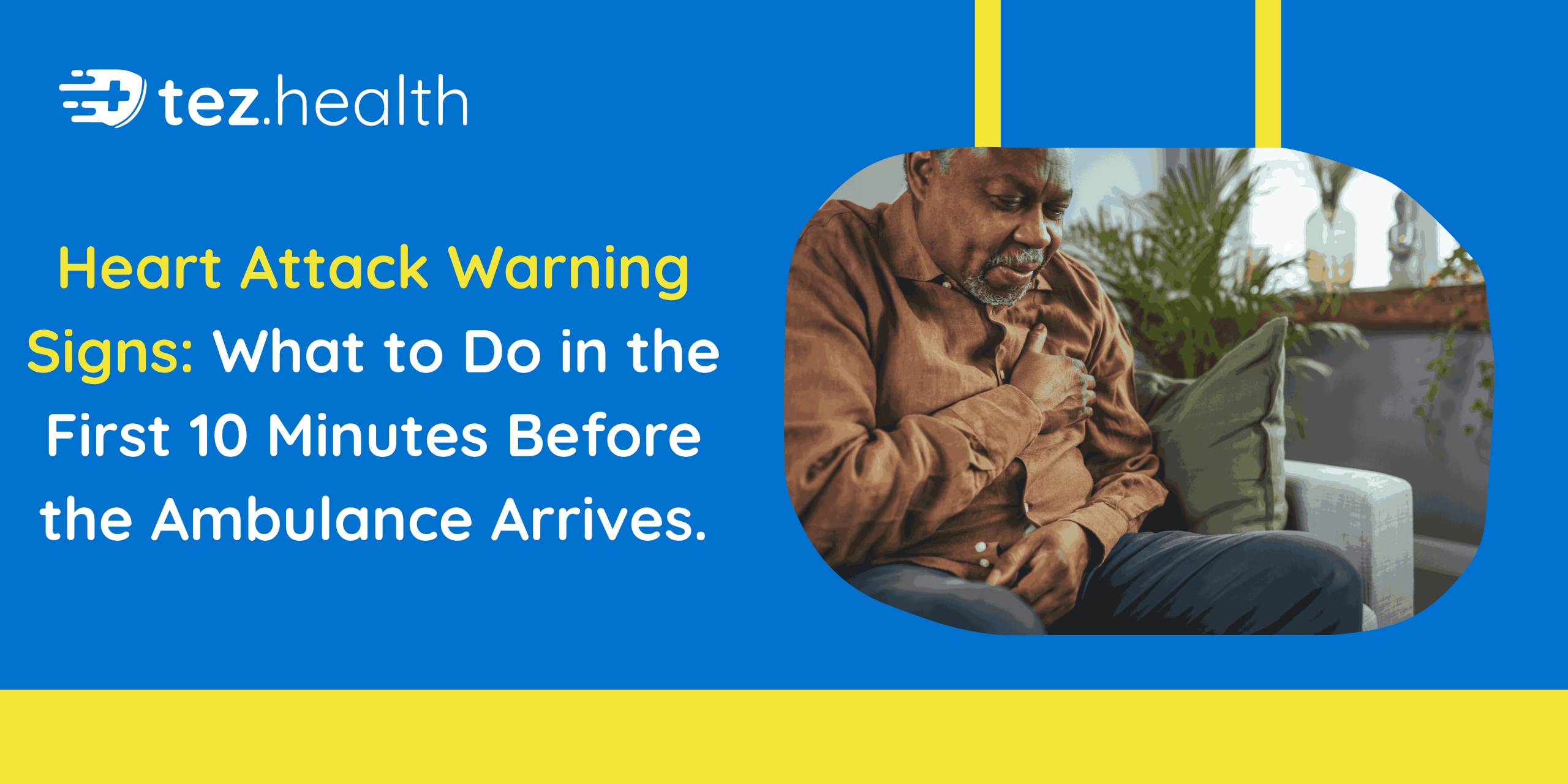
The Heart Attack Warning Signs: What to Do in the First 10 Minutes Before the Ambulance Arrives guide is critical for saving lives during one of the most serious medical emergencies. A heart attack requires immediate action, and the first few minutes can make a life-or-death difference. In fast-paced urban environments like Bangalore, where response times may vary due to traffic and distance, knowing how to recognize warning signs and act quickly before medical help arrives is essential.
What Is a Heart Attack?
A heart attack, medically known as a Myocardial Infarction, occurs when blood flow to a part of the heart muscle is blocked. This prevents oxygen from reaching the heart, causing damage to the tissue.
Prompt treatment is crucial to minimize damage and improve survival chances.
Why the First 10 Minutes Matter
The first 10 minutes after symptoms begin are often referred to as the “golden window.”
During this time:
- Early intervention can prevent severe damage
- Quick action improves survival rates
- Delays can lead to complications or death
Immediate response before the ambulance arrives can stabilize the patient.
Common Warning Signs of a Heart Attack
Recognizing symptoms early is the first step to saving a life.
1. Chest Pain or Discomfort
- Chest pain due to pressure, tightness, or squeezing sensation
- Pain lasting more than a few minutes
2. Pain in Other Areas
- Arms (especially left arm)
- Neck, jaw, or back
3. Shortness of Breath
- Difficulty breathing with or without chest pain
4. Sweating
- Cold sweats or clammy skin
5. Nausea or Vomiting
- Often accompanied by discomfort
6. Dizziness or Lightheadedness
7. Unusual Fatigue
- More common in women
Silent Heart Attack Symptoms
Some heart attacks present with mild or unusual symptoms, especially in:
- Women
- Elderly individuals
- Diabetic patients
These may include:
- Mild discomfort
- Indigestion-like feeling
- Sudden weakness
Do not ignore these signs.
What to Do in the First 10 Minutes
Taking the right steps immediately can save a life.
Step1: Call Emergency Services Immediately
Call an ambulance (dial 108 in India) without delay. Do not wait to see if symptoms improve.
In cities like Bangalore, traffic delays make early calling even more important.
Step2: Keep the Patient Calm and Seated
- Help them sit down and rest
- Keep them calm to reduce strain on the heart
- Avoid unnecessary movement
Step3: Loosen Tight Clothing
- Remove tight garments
- Ensure easy breathing
Step4: Give Aspirin (If Advised)
If the patient is not allergic and has no contraindications:
- Give one aspirin tablet (usually 300 mg) to chew
Aspirin helps thin the blood and improve circulation.
Step5: Monitor Symptoms
- Check breathing and responsiveness
- Stay alert for worsening condition
Step6: Be Ready for CPR
If the patient becomes unconscious and stops breathing:
- Start CPR immediately
- Continue until help arrives
What NOT to Do
Avoid these common mistakes:
- Do not ignore symptoms
- Do not allow the patient to walk or exert themselves
- Do not delay calling an ambulance
- Do not give food or drink (unless necessary)
- Do not panic
Staying calm and focused is key.
Role of CPR in Emergencies
CPR (Cardiopulmonary Resuscitation) can save lives if the heart stops beating.
Basic Steps:
- Place hands in the center of the chest
- Push hard and fast (100–120 compressions per minute)
- Allow chest to rise between compressions
Even basic CPR knowledge can make a significant difference.
Risk Factors for Heart Attack
Understanding risk factors helps in prevention.
Common Risk Factors:
- High cholesterol
- High blood pressure
- Diabetes
- Smoking
- Obesity
- Sedentary lifestyle
- Stress
Urban populations in Bangalore are increasingly affected due to lifestyle habits.
Prevention Tips for heart attack
1. Healthy Diet
- Reduce saturated fats
- Increase fruits and vegetables
2. Regular Exercise
- At least 30 minutes daily
3. Regular Health Checkups
- Monitor cholesterol, blood pressure, and sugar levels
4. Stress Management
- Practice relaxation techniques
5. Avoid Smoking and Excess Alcohol
Importance of Quick Medical Response
Even after initial first aid, professional medical care is essential.
Ambulance teams provide:
- Oxygen support
- Cardiac monitoring
- Emergency medications
Early hospital treatment improves survival rates significantly.
Why Awareness Is Crucial
In busy cities like Bangalore, delayed recognition and response can be dangerous. Awareness ensures:
- Faster action
- Better outcomes
- Reduced complications
Knowing what to do can save lives—not just your own, but someone else’s too.
Conclusion
The Heart Attack Warning Signs: What to Do in the First 10 Minutes Before the Ambulance Arrives guide highlights the importance of recognizing symptoms early and acting immediately. The first few minutes are critical, and simple steps like calling an ambulance, keeping the patient calm, and administering basic first aid can make a life-saving difference. In urban environments like Bangalore, being informed and prepared is essential. Quick action saves lives—don’t wait, act fast.
Frequently Asked Questions on Heart Attack Warning Signs: What to Do in the First 10 Minutes Before the Ambulance Arrives
1. What is the first sign of a heart attack?
Chest pain or discomfort is the most common first sign.
2. Should I call an ambulance immediately?
Yes, call emergency services without delay.
3. Can a heart attack go away on its own?
No, it requires immediate medical attention.
4. Is aspirin safe during a heart attack?
It can help, but only if there are no contraindications.
5. What if the patient is alone?
They should call emergency services immediately and stay calm.
6. How long do heart attack symptoms last?
They can last several minutes or come and go.
7. Can young people have heart attacks?
Yes, especially with risk factors.
8. What is a silent heart attack?
A heart attack with mild or unnoticed symptoms.
9. Is CPR always necessary?
Only if the patient is unconscious and not breathing.
10. Can stress cause a heart attack?
Yes, chronic stress increases risk.
11. What number should I call in India?
Dial 108 for ambulance services.
12. Can lifestyle changes prevent heart attacks?
Yes, healthy habits significantly reduce risk.