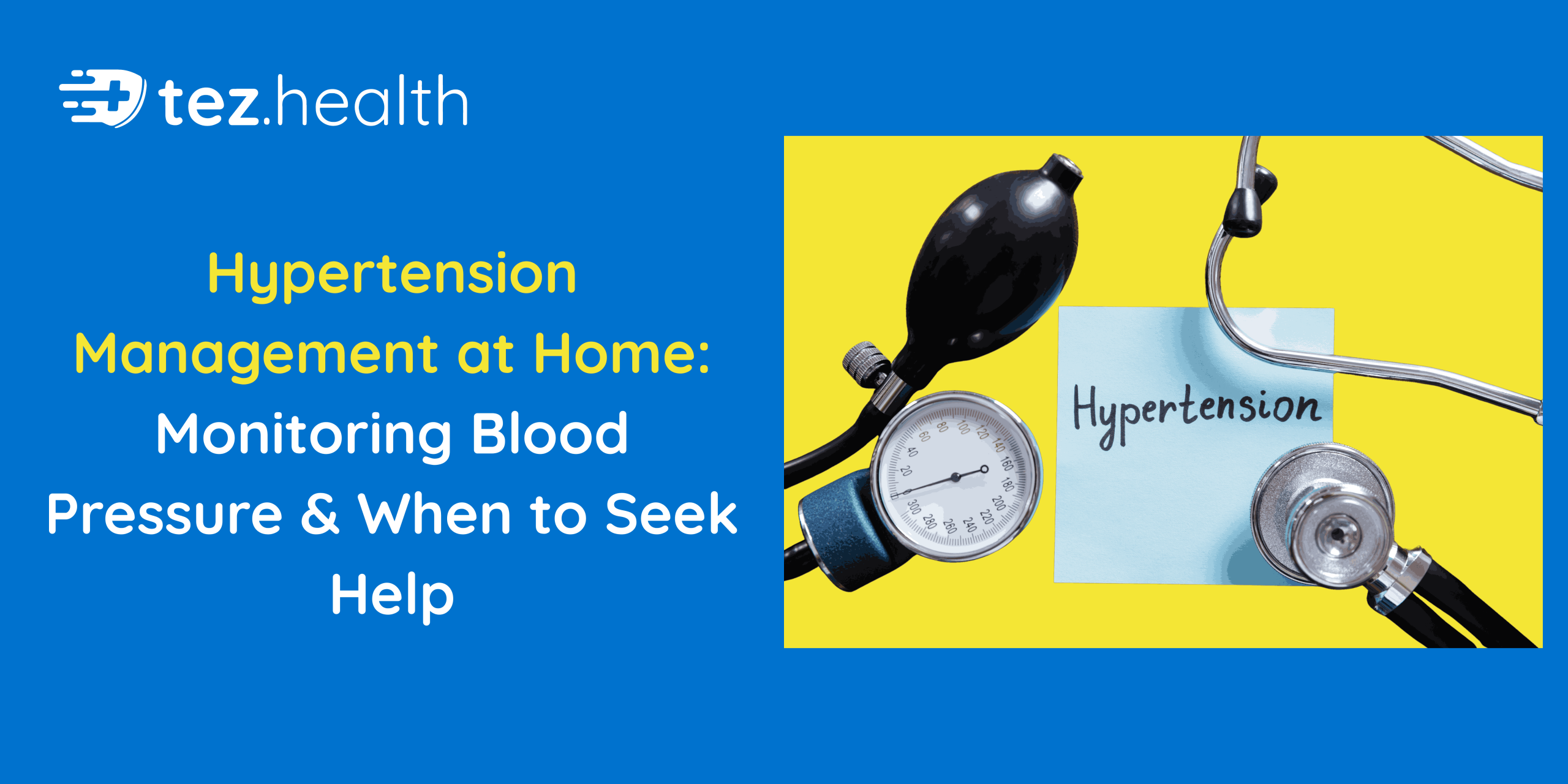
The Hypertension Management at Home: Monitoring Blood Pressure & When to Seek Help guide is essential for individuals looking to control high blood pressure effectively from the comfort of their homes. Hypertension, often called the “silent killer,” can lead to serious complications if left unmanaged. With rising cases in urban populations, especially in cities like Bangalore, home-based monitoring and lifestyle management have become crucial for maintaining long-term heart health.
What Is Hypertension?
Hypertension refers to consistently high blood pressure levels, where the force of blood against artery walls is too high.
It is commonly associated with increased risk of:
- Heart disease
- Stroke
- Kidney damage
Because it often shows no symptoms, regular monitoring is essential.
Understanding Blood Pressure Readings
Blood pressure is measured using two values:
- Systolic Pressure (top number): Pressure when the heart beats
- Diastolic Pressure (bottom number): Pressure when the heart rests
Normal and High Blood Pressure Levels:
| Category | Reading (mmHg) |
| Normal | Below 120/80 |
| Elevated | 120–129 / Below 80 |
| Hypertension Stage 1 | 130–139 / 80–89 |
| Hypertension Stage 2 | 140/90 or higher |
| Hypertensive Crisis | Above 180/120 |
Why Managing Hypertension at Home Is Important
Home management helps:
- Detect changes early
- Prevent complications
- Reduce hospital visits
- Improve overall health
In cities like Bangalore, where stress and sedentary lifestyles are common, home monitoring is especially beneficial.
How to Monitor Blood Pressure at Home
1. Use a Digital Blood Pressure Monitor
Digital BP monitors are easy to use and widely available.
Steps:
- Sit comfortably with back supported
- Keep your arm at heart level
- Wrap the cuff around your upper arm
- Stay relaxed and avoid talking
- Record the reading
2. Best Time to Check BP
- Morning (before medication)
- Evening
- At the same time daily
3. Tips for Accurate Readings
- Avoid caffeine and smoking before measurement
- Rest for 5 minutes before checking
- Take multiple readings and average them
Lifestyle Changes for Hypertension Management
1. Healthy Diet
Recommended:
- Fruits and vegetables
- Whole grains
- Low-sodium foods
- Lean proteins
Avoid:
- Processed foods
- Excess salt
- Sugary beverages
2. Reduce Salt Intake
Limit sodium intake to less than 5 grams per day.
3. Regular Exercise
- Walking
- Cycling
- Yoga
Aim for at least 30 minutes daily.
4. Maintain Healthy Weight
Weight loss can significantly reduce blood pressure.
5. Manage Stress
- Meditation
- Deep breathing
- Relaxation techniques
6. Limit Alcohol and Quit Smoking
Both contribute to high blood pressure and heart risk.
Medication Management
Some individuals require medication to control hypertension.
Tips:
- Take medicines as prescribed
- Do not skip doses
- Monitor BP regularly
- Consult your doctor before making changes
Symptoms of High Blood Pressure
Hypertension is often symptomless, but severe cases may show:
- Headaches
- Dizziness
- Blurred vision
- Chest pain
- Shortness of breath
Do not rely on symptoms—regular monitoring is key.
When to Seek Medical Help
Seek immediate medical attention if:
- BP readings are consistently above 140/90 mmHg
- You experience chest pain or difficulty breathing
- BP exceeds 180/120 mmHg (hypertensive crisis)
- There are signs of stroke or heart attack
In Bangalore, home healthcare services can assist with monitoring and emergency support.
Complications of Uncontrolled Hypertension
If left unmanaged, hypertension can lead to:
- Heart attack
- Stroke
- Kidney failure
- Vision loss
- Artery damage
Early control helps prevent these complications.
Daily Routine for Managing Hypertension
Morning:
- Check BP
- Take medications
Afternoon:
- Eat balanced meals
- Stay active
Evening:
- Monitor BP
- Light exercise or walk
Night:
- Relax and get adequate sleep
Consistency is essential.
Role of Home Healthcare Services
Home healthcare services in Bangalore provide:
- BP monitoring
- Nurse visits
- Medication support
- Lifestyle guidance
This makes managing hypertension more convenient and effective.
Tips for Caregivers
- Help track BP readings
- Encourage healthy habits
- Ensure medication adherence
- Monitor for warning signs
Caregiver support improves patient outcomes.
Common Mistakes to Avoid
- Skipping BP checks
- Ignoring high readings
- Consuming high-salt foods
- Not following medication schedule
- Avoiding physical activity
Avoiding these mistakes ensures better control.
Importance of Regular Checkups
Even with home monitoring, regular doctor visits are important for:
- Reviewing treatment plans
- Adjusting medications
- Screening for complications
Why Hypertension Awareness Matters
In rapidly growing urban areas like Bangalore, increasing stress levels and lifestyle changes have led to a rise in hypertension cases. Awareness helps:
- Early detection
- Better management
- Reduced health risks
Conclusion
The Hypertension Management at Home: Monitoring Blood Pressure & When to Seek Help guide highlights the importance of consistent monitoring, healthy lifestyle choices, and timely medical intervention. Managing blood pressure at home is both practical and effective when done correctly. With access to reliable healthcare services in Bangalore, individuals can take control of their health and reduce the risk of serious complications. Stay proactive, monitor regularly, and prioritize your heart health.
Frequently Asked Questions on Hypertension Management at Home: Monitoring Blood Pressure & When to Seek Help
1. What is normal blood pressure?
Below 120/80 mmHg.
2. How often should I check my BP?
Daily or as advised by your doctor.
3. Can hypertension be managed at home?
Yes, with monitoring and lifestyle changes.
4. What foods should I avoid?
High-salt and processed foods.
5. Is exercise important?
Yes, it helps lower blood pressure.
6. When should I see a doctor?
If BP is consistently high or symptoms appear.
7. Can stress increase BP?
Yes, stress contributes to hypertension.
8. Do I need medication?
Depends on severity and doctor’s advice.
9. What is a hypertensive crisis?
BP above 180/120 mmHg.
10. Can hypertension cause complications?
Yes, if untreated.
11. Is home monitoring accurate?
Yes, if done correctly.
12. Can weight loss help?
Yes, it significantly reduces BP.