
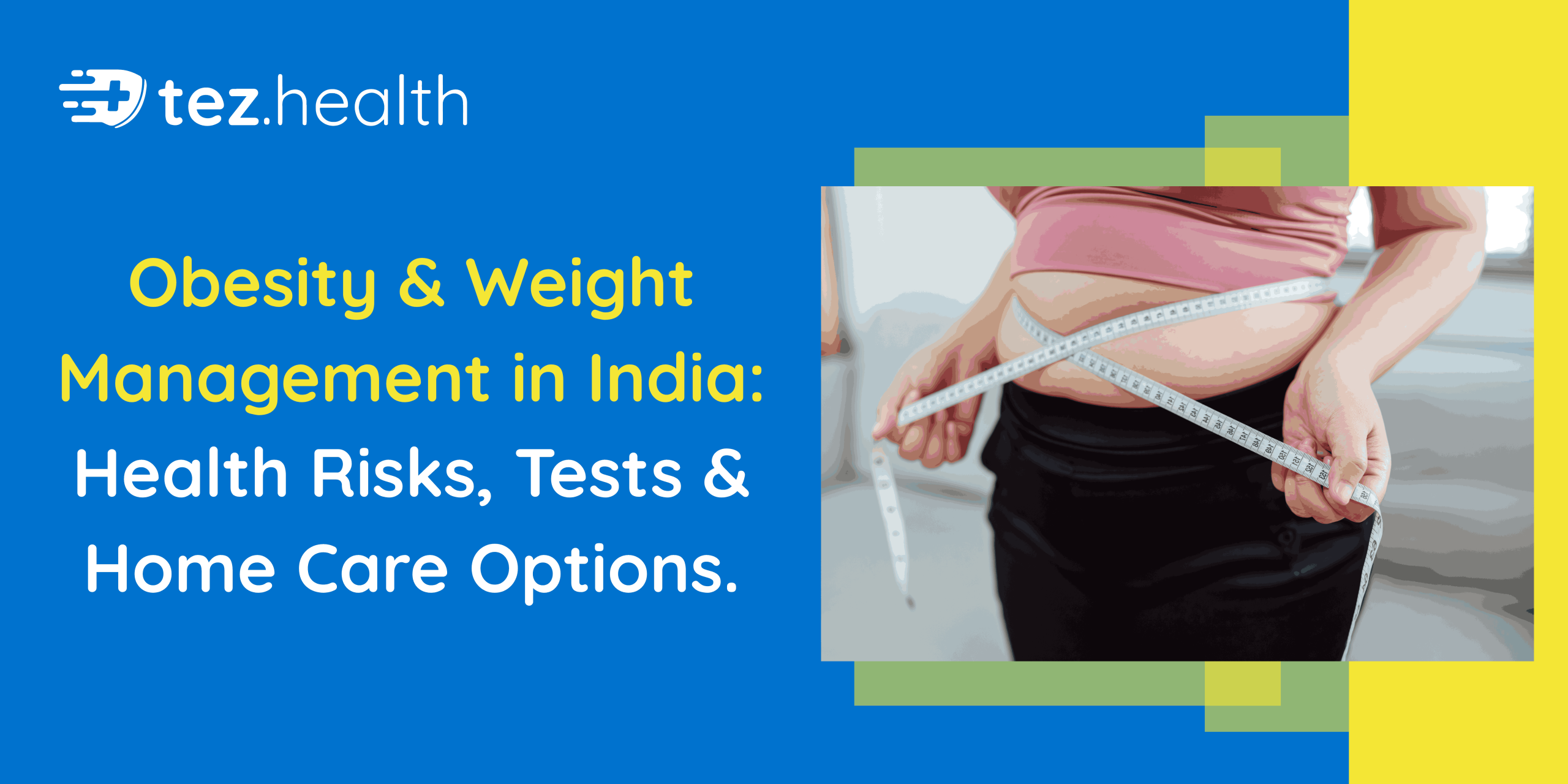
The Obesity & Weight Management in India: Health Risks, Tests & Home Care Options guide is a comprehensive resource to help individuals understand, prevent, and manage obesity effectively in today’s fast-paced lifestyle. With rising sedentary habits, processed food consumption, and increasing stress levels, obesity has become a major health concern across India—especially in urban cities like Bangalore. This in-depth blog explores the causes, health risks, diagnostic tests, and practical home care strategies that can help individuals achieve sustainable weight management and long-term wellness.
Understanding Obesity: More Than Just Weight Gain
Obesity is not simply about appearance or body weight—it is a complex medical condition involving excess body fat that increases the risk of serious diseases.
Body Mass Index (BMI)
BMI is commonly used to classify weight:
- Underweight: Below 18.5
- Normal: 18.5 – 24.9
- Overweight: 25 – 29.9
- Obese: 30 and above
However, for Indian populations, health risks often begin at lower BMI levels due to higher abdominal fat distribution.
Why Obesity Is Increasing in India
Obesity is rising rapidly due to a combination of lifestyle and environmental factors.
1. Sedentary Work Culture
- Desk jobs, long working hours, and minimal movement reduce calorie expenditure.
2. Unhealthy Eating Habits
Frequent consumption of:
- Fast food
- Sugary beverages
- Refined carbohydrates
3. Stress and Mental Health
- Chronic stress leads to emotional eating and hormonal imbalance.
4. Poor Sleep Patterns
- Sleep disorder disrupts hunger-regulating hormones.
5. Urban Lifestyle Challenges
In cities like Bangalore:
- Long commutes
- Limited time for exercise
- Easy access to unhealthy food
Health Risks Associated with Obesity
Obesity significantly increases the risk of multiple chronic diseases.
1. Type 2 Diabetes
Excess fat reduces insulin sensitivity, leading to high blood sugar levels indicating Type-2 diabetes.
2. Hypertension
Increased body weight puts strain on blood vessels indicating hypertension.
3. Heart Disease
Obesity contributes to high cholesterol, increasing cardiovascular risk.
4. Sleep apnea
Fat deposits around the neck can block airways during sleep.
5. Joint Disorders
Excess weight worsens conditions like Arthritis.
6. Hormonal Disorders
Conditions like Polycystic Ovary Syndrome (PCOS) are linked to obesity.
7. Fatty Liver Disease
Accumulation of fat in the liver affects metabolism.
Warning Signs That Require Attention
- Rapid or unexplained weight gain
- Constant fatigue
- Breathlessness on mild activity
- Increased waist circumference
- Snoring or disturbed sleep
Ignoring these signs can lead to long-term complications.
Essential Tests for Obesity and Weight Management
Regular health checks are crucial for understanding underlying causes and risks.
1. Body Composition Analysis
Provides detailed insight into fat percentage and muscle mass.
2. Blood Sugar Tests
Detect early signs of diabetes.
3. Lipid Profile
Lipid profile measures cholesterol and triglyceride levels.
4. Thyroid Function Test
Thyroid function test rules out Thyroid disorders that can cause weight gain.
5. Liver Function Test
Helps detect fatty liver.
6. Vitamin Deficiency Tests
Low Vitamin D and B12 can affect metabolism and energy.
7. Hormonal Tests
Important for women, especially when PCOS is suspected.
In Bangalore, these tests can be conveniently done through home sample collection services.
How to Interpret Test Results
Understanding your reports is key:
- High fasting sugar → risk of diabetes
- Elevated cholesterol → cardiovascular risk
- Low Vitamin D → fatigue and slow metabolism
- Abnormal thyroid → weight fluctuation
Consulting a doctor ensures proper diagnosis and treatment.
Lifestyle Changes for Sustainable Weight Loss
1. Balanced Diet Approach
Instead of crash dieting, focus on long-term habits.
Ideal Plate:
- 50% vegetables
- 25% protein
- 25% whole grains
Sample Daily Plan:
Breakfast: Oats + fruits
Lunch: Brown rice + dal + vegetables
Dinner: Light meal with protein
2. Regular Physical Activity
- Minimum 30–45 minutes daily
- Mix of cardio and strength training
Simple Activities:
- Walking
- Cycling
- Yoga
3. Sleep Management
Aim for 7–8 hours of quality sleep.
Poor sleep increases hunger hormones and cravings.
4. Stress Management
Chronic stress leads to weight gain.
Techniques:
- Meditation
- Deep breathing
- Mindfulness
Medical Treatment Options
1. Medications
Prescribed for individuals with high BMI and related risks.
2. Bariatric Surgery
Recommended in severe obesity cases.
3. Hormonal Treatment
For conditions like PCOS or thyroid disorders.
Home Care Options for Weight Management
Home-based care is becoming increasingly popular in cities like Bangalore.
1. Home Lab Testing
Regular monitoring without visiting clinics.
2. Diet Consultation at Home
Personalized nutrition plans.
3. Home Physiotherapy
Guided exercise sessions.
4. Vital Monitoring
Tracking weight, BP, and sugar levels.
Role of Family and Environment
Weight management is easier with support.
- Encourage healthy meals
- Avoid junk food at home
- Stay active together
Common Mistakes to Avoid
- Crash dieting
- Skipping meals
- Over-exercising
- Relying on supplements
- Ignoring medical advice
Weight Management for Women
Women face unique challenges:
- Hormonal changes
- Pregnancy
- PCOS
Regular monitoring and tailored plans are essential.
Weight Management for Working Professionals
In cities like Bangalore:
Practical Tips:
- Take short walking breaks
- Carry healthy snacks
- Avoid late-night eating
Mental Health and Obesity
Obesity is not just physical—it affects mental health too.
Common Issues:
- Low confidence
- Anxiety
- Emotional eating
Addressing mental health is key to long-term success.
Long-Term Strategy for Sustainable Results
- Set realistic goals
- Track progress weekly
- Stay consistent
- Seek professional guidance
Benefits of Healthy Weight
- Better energy levels
- Improved heart health
- Reduced disease risk
- Enhanced confidence
Why This Matters in India
In urban India, especially Bangalore:
- Lifestyle diseases are rising
- Sedentary habits are common
- Preventive healthcare is essential
Conclusion
The Obesity & Weight Management in India: Health Risks, Tests & Home Care Options guide highlights the importance of viewing obesity as a serious but manageable health condition. With the right combination of lifestyle changes, medical support, and home healthcare solutions, individuals can achieve sustainable weight loss and improved overall health. In cities like Bangalore, where modern challenges impact health daily, proactive steps toward weight management can make a significant difference in long-term well-being.
Frequently Asked Questions on Obesity & Weight Management in India: Health Risks Tests & Home Care Options
1. What is obesity?
A condition of excessive body fat affecting health.
2. How is obesity measured?
Using BMI and waist circumference.
3. Can obesity be reversed?
Yes, with proper lifestyle changes.
4. What tests are needed?
Blood sugar, lipid profile, thyroid tests.
5. Is diet alone enough?
No, exercise is also important.
6. Can stress cause weight gain?
Yes, it affects hormones.
7. Is home care effective?
Yes, for monitoring and support.
8. How long does weight loss take?
Depends on consistency and approach.
9. Are supplements necessary?
Only if prescribed.
10. Can sleep affect weight?
Yes, poor sleep leads to weight gain.
11. Is walking enough for weight loss?
It helps but should be combined with strength training.
12. When should I see a doctor?
If weight gain is sudden or associated with health issues.