
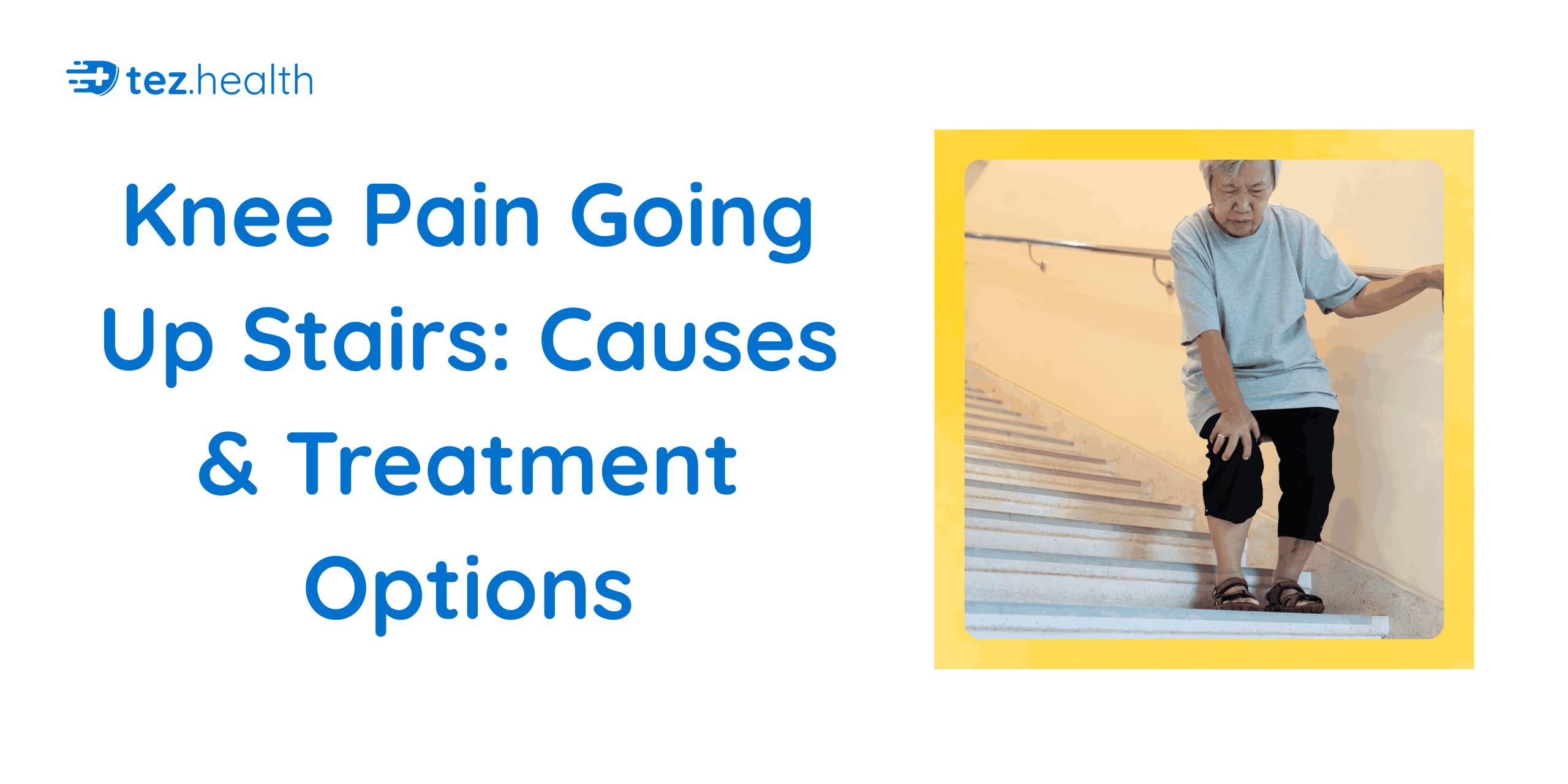
Feeling pain in the knees while climbing stairs is a common problem that affects people of all ages. For some individuals, it may feel like mild discomfort or stiffness, while others may experience sharp pain, weakness, grinding sensations, or difficulty putting weight on the knee. Knee pain during stair climbing can interfere with daily activities such as walking, exercising, working, or even getting out of bed comfortably.
Stair climbing places extra pressure on the knees, muscles, ligaments, and cartilage compared to normal walking. Because of this increased strain, underlying knee problems often become more noticeable while going upstairs or downstairs. Occasional soreness after intense exercise or overuse may improve with rest, but persistent or worsening pain should not be ignored.
Understanding the possible causes, symptoms, treatment options, and preventive measures can help improve mobility, reduce discomfort, and prevent further joint damage.
Why Does Knee Pain Happen While Climbing Stairs?
The knee is one of the largest and most important joints in the body. It supports body weight and helps with movements such as:
- Walking
- Running
- Climbing stairs
- Squatting
- Standing up
When climbing stairs, the knees experience significantly more pressure than during regular walking. This increased load places stress on:
- Knee cartilage
- Tendons
- Muscles
- Ligaments
- Kneecap joint
If any of these structures become weak, inflamed, injured, or damaged, pain may occur during movement.
Understanding the Knee Joint
The knee joint is made up of:
- Bones
- Cartilage
- Ligaments
- Tendons
- Muscles
- Synovial fluid
Healthy cartilage helps cushion movement and reduces friction between bones. Muscles around the knee help stabilize and support the joint.
When these structures become damaged due to aging, overuse, injury, or inflammation, knee pain may develop.
Common Symptoms of Knee Pain
Depending on the cause, knee pain may occur with several additional symptoms.
Common symptoms include:
- Swelling around the knee
- Stiffness
- Cracking or popping sounds
- Weakness in the leg
- Difficulty bending the knee
- Pain while walking or standing
- Reduced mobility
- Tenderness around the kneecap
- Grinding sensation
- Warmth around the joint
- Difficulty kneeling or squatting
Symptoms may gradually worsen if left untreated.
Common Causes of Knee Pain Going Up Stairs
Several conditions may contribute to pain while climbing stairs.
1. Patellofemoral Pain Syndrome
Patellofemoral pain syndrome is one of the most common causes of knee pain during stair climbing.
It occurs when the kneecap does not move smoothly over the joint surface.
Symptoms may include:
- Pain around the front of the knee
- Discomfort while climbing stairs
- Pain after sitting for long periods
- Grinding or clicking sounds
This condition is common in:
- Runners
- Athletes
- People with muscle imbalance
- Individuals with poor knee alignment
2. Osteoarthritis
Osteoarthritis is a degenerative joint condition caused by wear and tear of knee cartilage.
As cartilage gradually breaks down:
- Bones rub together
- Joint movement becomes painful
- Stiffness increases
Symptoms may include:
- Morning stiffness
- Swelling
- Reduced mobility
- Pain during movement
- Cracking sounds
Osteoarthritis becomes more common with aging.
3. Muscle Weakness
Weak thigh and leg muscles may increase pressure on the knee joints.
When muscles fail to support the knee properly:
- Joint strain increases
- Movement becomes less stable
- Pain may worsen during stairs or exercise
Strengthening surrounding muscles may improve support and reduce symptoms.
4. Ligament or Meniscus Injury
Previous injuries involving:
- ACL
- MCL
- Meniscus cartilage
may continue causing pain during weight-bearing activities.
Symptoms may include:
- Knee instability
- Swelling
- Locking sensation
- Pain during twisting movements
Sports injuries commonly affect these structures.
5. Tendon Inflammation
Overuse or repetitive strain may inflame tendons around the knee.
Common examples include:
- Patellar tendonitis
- Quadriceps tendonitis
This may occur due to:
- Excessive exercise
- Jumping activities
- Poor training techniques
6. Excess Weight
Extra body weight increases pressure on the knee joints during movement.
Even small amounts of weight gain can significantly increase stress on the knees during stair climbing.
Obesity may also increase the risk of:
- Osteoarthritis
- Joint inflammation
- Reduced mobility
7. Overuse or Exercise Strain
Excessive physical activity without proper recovery may irritate the knees.
Common triggers include:
- Running
- Squatting
- High-impact exercise
- Repetitive stair climbing
Improper exercise form may also contribute to knee strain.
8. Poor Footwear
Unsupportive shoes may affect:
- Body posture
- Knee alignment
- Joint pressure distribution
Poor footwear may worsen knee pain over time.
9. Flat Feet or Alignment Problems
Improper alignment of the legs or feet may place abnormal stress on the knees.
This can affect:
- Walking mechanics
- Joint stability
- Cartilage wear
10. Inflammatory Joint Conditions
Certain inflammatory conditions such as rheumatoid arthritis may cause:
- Knee swelling
- Warmth
- Pain
- Morning stiffness
These conditions require medical evaluation and treatment.
Why Knee Pain Often Feels Worse on Stairs
Climbing stairs requires the knees to bend deeply while supporting body weight.
This movement:
- Increases pressure behind the kneecap
- Engages thigh muscles intensely
- Places more stress on cartilage and tendons
This is why knee pain may feel more noticeable during stair climbing compared to regular walking.
Risk Factors for Knee Pain
Certain factors increase the likelihood of knee problems.
These include:
- Aging
- Obesity
- Previous injuries
- Sedentary lifestyle
- Poor muscle strength
- High-impact sports
- Repetitive strain
- Improper footwear
- Poor posture
Early care may help reduce long-term joint damage.
Home Remedies & Self-Care Tips
Mild knee pain may improve with proper care and lifestyle changes.
Rest the Knee
Avoid activities that worsen the pain, especially:
- Excess stair use
- Running
- Jumping
Temporary rest may help reduce inflammation.
Apply Ice
Cold packs may help reduce:
- Swelling
- Inflammation
- Pain
Ice is especially helpful after activity or injury.
Exercise Carefully
Gentle strengthening exercises for the:
- Thigh muscles
- Hamstrings
- Calf muscles
may improve knee support and stability.
Low-impact exercises such as walking or swimming may also help.
Maintain a Healthy Weight
Weight reduction decreases pressure on the knee joints and may improve mobility significantly.
Wear Supportive Footwear
Proper shoes may improve:
- Joint alignment
- Stability
- Walking comfort
Avoid worn-out or unsupportive footwear.
Avoid Excess Stair Use Temporarily
Reducing stair climbing during painful flare-ups may allow the knee to recover.
Stretch Regularly
Gentle stretching improves:
- Flexibility
- Muscle balance
- Joint mobility
Stretching before exercise may reduce injury risk.
Improve Posture & Movement
Correct posture and proper exercise technique help reduce unnecessary strain on the knees.
Medical Treatment Options
Treatment depends on the underlying cause and severity of symptoms.
Doctors may recommend:
- Pain relief medications
- Anti-inflammatory medicines
- Physiotherapy
- Knee braces or supports
- Strengthening exercises
- Weight management plans
- Joint injections in some cases
- Surgery for severe injuries or advanced arthritis
Early treatment often improves recovery and long-term mobility.
Physiotherapy for Knee Pain
Physiotherapy may help by:
- Strengthening muscles
- Improving flexibility
- Correcting movement patterns
- Reducing joint stress
Exercises are usually tailored to the individual’s condition and fitness level.
When Should You See a Doctor?
Seek medical attention if knee pain:
- Persists for several weeks
- Causes severe swelling
- Makes walking difficult
- Occurs after an injury
- Causes knee instability
- Is associated with redness or warmth
- Worsens over time
- Prevents normal activities
- Causes locking or inability to bend the knee
Persistent pain may require medical evaluation and imaging tests.
How Doctors Diagnose Knee Pain
Doctors may recommend:
- Physical examination
- X-rays
- MRI scans
- Joint movement evaluation
- Blood tests in some cases
Diagnosis depends on symptoms, injury history, and physical findings.
Can Knee Pain Be Prevented?
In many cases, yes. Healthy habits and proper joint care may reduce the risk of knee problems.
Helpful preventive measures include:
- Regular exercise
- Strengthening leg muscles
- Maintaining healthy body weight
- Wearing proper footwear
- Avoiding overuse injuries
- Stretching before activity
- Using proper exercise techniques
- Staying physically active
Early attention to knee discomfort may prevent worsening joint damage.
Frequently Asked Questions (FAQ’s) on Knee Pain Going Up Stairs: Causes & Treatment Options
1. Why do my knees hurt when climbing stairs?
Knee pain while climbing stairs is commonly caused by cartilage wear, muscle weakness, arthritis, or kneecap problems.
2. Is knee pain on stairs a sign of arthritis?
It can be, especially in older adults or people with joint stiffness and swelling.
3. Can exercise help knee pain?
Yes, proper strengthening exercises may improve knee support and reduce pain.
4. Should I avoid stairs if my knee hurts?
Reducing excessive stair use temporarily may help, especially during flare-ups or injury recovery.
5. When should I see a doctor for knee pain?
Seek medical advice if pain is severe, persistent, causes swelling, or affects walking.
6. Can excess weight worsen knee pain?
Yes, extra body weight increases pressure on the knee joints and may worsen symptoms.
7. Can poor footwear affect knee pain?
Yes, unsupportive shoes may affect alignment and increase stress on the knees.
8. What exercises are best for knee pain?
Low-impact exercises and muscle-strengthening routines recommended by a professional are often helpful.
9. Can knee pain improve without surgery?
Yes, many cases improve with physiotherapy, exercise, weight management, and lifestyle changes.
10. Can stretching help prevent knee pain?
Yes, regular stretching may improve flexibility, reduce muscle tightness, and support healthy joint movement.