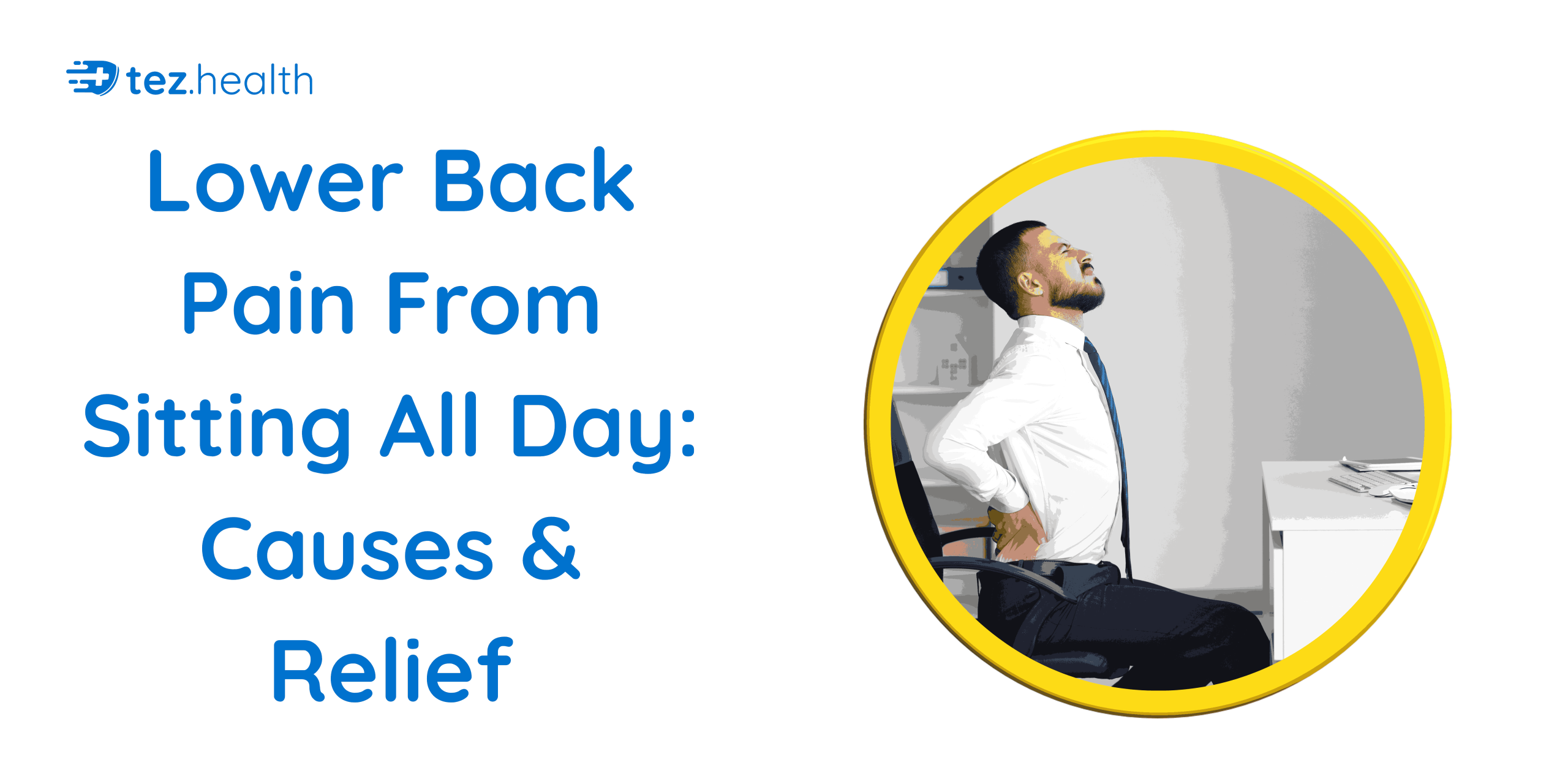
Lower back pain has become increasingly common in people who spend long hours sitting at desks, working on computers, driving, attending online meetings, studying, or using mobile devices. Modern lifestyles often involve prolonged sitting with very little movement throughout the day, which can place significant stress on the spine, muscles, and joints.
Many people notice stiffness or discomfort in the lower back after sitting for several hours. For some, the pain may feel mild and temporary, while others experience chronic aching, tightness, or sharp pain that interferes with work, sleep, and daily activities.
Although mild back pain may improve with movement and rest, persistent or worsening symptoms should not be ignored. Understanding the causes of sitting-related lower back pain and learning simple prevention and relief strategies can help protect spinal health and improve overall comfort.
Why Does Sitting Cause Lower Back Pain?
The lower back, also called the lumbar spine, supports much of the body’s weight and posture. When sitting for long periods, especially with poor posture, extra pressure is placed on:
- Spinal discs
- Lower back muscles
- Ligaments
- Hip joints
- Nerves
Compared to standing, sitting can place more pressure on the lumbar discs, especially when sitting in a slouched position.
Lack of movement may also:
- Reduce blood circulation
- Tighten muscles
- Weaken the core
- Reduce spinal flexibility
Over time, these factors may contribute to stiffness, muscle imbalance, and chronic pain.
Understanding the Lower Back
The lower back consists of:
- Vertebrae (spinal bones)
- Intervertebral discs
- Muscles
- Ligaments
- Nerves
- Joints
These structures work together to:
- Support body weight
- Maintain posture
- Allow movement
- Protect spinal nerves
When muscles become weak or spinal structures are strained, lower back pain may develop.
Common Symptoms of Lower Back Pain
People with sitting-related lower back pain may experience:
- Aching pain in the lower back
- Stiffness after sitting for long periods
- Muscle tightness
- Pain while standing up
- Reduced flexibility
- Pain spreading to the hips or legs
- Discomfort during bending or lifting
- Burning sensation in the lower back
- Muscle spasms
- Difficulty sitting comfortably for long durations
Symptoms may worsen after prolonged sitting, poor posture, or inactivity.
Common Reasons for Lower Back Pain From Sitting Too Long
Several factors may contribute to lower back discomfort during prolonged sitting.
1. Poor Sitting Posture
Poor posture is one of the most common causes of lower back pain.
Slouching or leaning forward can:
- Strain the lower back muscles
- Increase pressure on spinal discs
- Tighten hip muscles
- Misalign the spine
Over time, poor posture may lead to chronic discomfort.
2. Weak Core Strength
Core muscles support the spine and help maintain proper posture.
Weak abdominal and lower back muscles may:
- Reduce spinal stability
- Increase muscle strain
- Worsen back pain during sitting
Strengthening these muscles may improve support and reduce pain.
3. Sitting for Long Periods
Remaining seated for several hours without movement can:
- Increase spinal pressure
- Reduce flexibility
- Tighten muscles
- Decrease circulation
Even good posture may not fully prevent discomfort if movement is limited.
4. Incorrect Desk or Chair Setup
Poor workstation ergonomics can place unnecessary strain on the spine.
Common problems include:
- Chair height too low or high
- Lack of lumbar support
- Screen positioned incorrectly
- Improper keyboard placement
These factors may affect posture and increase muscle tension.
5. Disc-Related Problems
Conditions such as:
- Herniated discs
- Bulging discs
- Degenerative disc disease
may cause lower back pain along with:
- Tingling
- Numbness
- Pain radiating down the legs
Prolonged sitting may worsen disc-related discomfort.
6. Muscle Tension or Strain
Overuse, sudden movements, or improper posture may strain the muscles supporting the spine.
Muscle strain may cause:
- Tightness
- Stiffness
- Pain during movement
7. Sedentary Lifestyle
Lack of regular exercise can weaken:
- Back muscles
- Core muscles
- Hip muscles
Reduced physical activity may also decrease flexibility and circulation.
8. Excess Body Weight
Additional body weight increases pressure on:
- The spine
- Lower back muscles
- Joints
Obesity may increase the risk of chronic lower back pain.
9. Tight Hip Flexors
Sitting for long hours may shorten and tighten hip flexor muscles, which can pull on the lower spine and contribute to pain.
10. Stress and Muscle Tension
Stress may cause muscles in the neck, shoulders, and lower back to tighten, increasing discomfort.
Chronic stress may worsen pain perception and muscle fatigue.
Why Sitting Affects the Spine
When sitting:
- Hip muscles remain shortened
- Core muscles become less active
- Spinal discs experience increased pressure
Poor posture further increases stress on spinal structures.
Over time, prolonged sitting may contribute to:
- Muscle imbalance
- Reduced flexibility
- Disc strain
- Chronic pain
Relief Tips for Lower Back Pain
Many cases of sitting-related lower back pain improve with simple lifestyle changes and healthy habits.
Improve Sitting Posture
Try to:
- Sit upright
- Keep shoulders relaxed
- Avoid slouching
- Keep feet flat on the floor
Maintaining neutral spine alignment reduces strain on the back.
Take Regular Breaks
Standing, stretching, or walking every 30–60 minutes may:
- Improve circulation
- Reduce stiffness
- Relieve muscle tension
Frequent movement is one of the best ways to reduce sitting-related pain.
Use a Supportive Chair
A chair with good lumbar support helps maintain proper spinal alignment.
Ergonomic chairs may improve comfort during long work hours.
Strengthen Core Muscles
Exercises for the abdomen and lower back help support the spine.
Strong core muscles improve posture and reduce spinal stress.
Stretch Daily
Gentle stretching may:
- Improve flexibility
- Reduce stiffness
- Relax tight muscles
Stretching the hips, hamstrings, and lower back may be especially helpful.
Stay Physically Active
Regular physical activity supports:
- Muscle strength
- Blood circulation
- Joint flexibility
Walking, swimming, or cycling may help improve spinal health.
Maintain a Healthy Weight
Reducing excess body weight decreases pressure on the lower spine and supporting muscles.
Apply Heat or Cold Packs
Heat may help relax muscles and improve circulation.
Cold packs may help reduce inflammation after strain or overuse.
Sleep in a Supportive Position
Proper sleeping posture may help reduce back strain.
Supportive mattresses and pillows may improve spinal alignment during sleep.
Simple Exercises That May Help Lower Back Pain
Some gentle exercises may help improve flexibility and reduce stiffness.
Helpful exercises may include:
- Pelvic tilt exercises
- Cat-cow stretches
- Knee-to-chest stretches
- Walking
- Gentle yoga stretches
- Hamstring stretches
- Core strengthening routines
These exercises should be performed slowly and comfortably.
Stop immediately if any movement causes severe pain.
Benefits of Regular Movement
Regular movement may:
- Improve spinal flexibility
- Reduce muscle stiffness
- Increase circulation
- Support posture
- Reduce long-term pain risk
Even short movement breaks throughout the day can make a significant difference.
Workplace Ergonomics for Back Health
Healthy desk setup habits include:
- Keeping screens at eye level
- Using lumbar support
- Positioning elbows comfortably
- Keeping feet flat on the floor
- Avoiding prolonged forward neck posture
Proper ergonomics may significantly reduce strain on the back and neck.
When Should You See a Doctor?
Seek medical attention if back pain:
- Lasts more than a few weeks
- Becomes severe
- Spreads down the legs
- Causes numbness or weakness
- Occurs after injury
- Affects bladder or bowel control
- Interferes with sleep or daily activities
- Causes difficulty walking
These symptoms may indicate nerve or spinal problems requiring medical evaluation.
How is Lower Back Pain Diagnosed?
Doctors may recommend:
- Physical examination
- Posture evaluation
- X-rays
- MRI scans
- Muscle and nerve assessment
Diagnosis depends on symptoms, medical history, and physical findings.
Can Sitting-Related Back Pain Be Prevented?
In many cases, yes. Maintaining good posture, staying active, and strengthening the back and core muscles can significantly reduce the risk of lower back pain.
Helpful preventive habits include:
- Regular exercise
- Daily stretching
- Ergonomic workstations
- Taking movement breaks
- Maintaining healthy body weight
- Avoiding prolonged sitting
- Improving posture awareness
Healthy work habits are especially important for people with desk jobs.
Frequently Asked Question (FAQ’s) on Lower Back Pain From Sitting All Day: Causes & Relief
1. Why does my lower back hurt after sitting for a long time?
Sitting for too many hours can put pressure on your back and weaken the muscles that support your spine.
2. Can bad posture cause back pain?
Yes, sitting in a bent or slouched position can strain your back muscles and lead to pain.
3. What is the correct way to sit?
Sit with your back straight, feet flat on the floor, and proper support for your lower back.
4. Can exercise reduce lower back pain?
Yes, simple stretching and strengthening exercises may help reduce pain and improve flexibility.
5. When should I see a doctor for lower back pain?
See a doctor if the pain is severe, lasts for a long time, causes numbness, or spreads to your legs.
6. Can sitting too much damage the spine?
Prolonged sitting may increase pressure on spinal discs and contribute to muscle weakness and discomfort over time.
7. Is walking good for lower back pain?
Yes, regular walking may improve circulation, flexibility, and muscle strength.
8. Can stress worsen back pain?
Yes, stress may increase muscle tension and worsen pain perception.
9. What type of chair is best for lower back support?
A chair with good lumbar support and proper height adjustment may help reduce spinal strain.
10. Can losing weight help lower back pain?
Yes, maintaining a healthy body weight reduces pressure on the spine and supporting muscles.