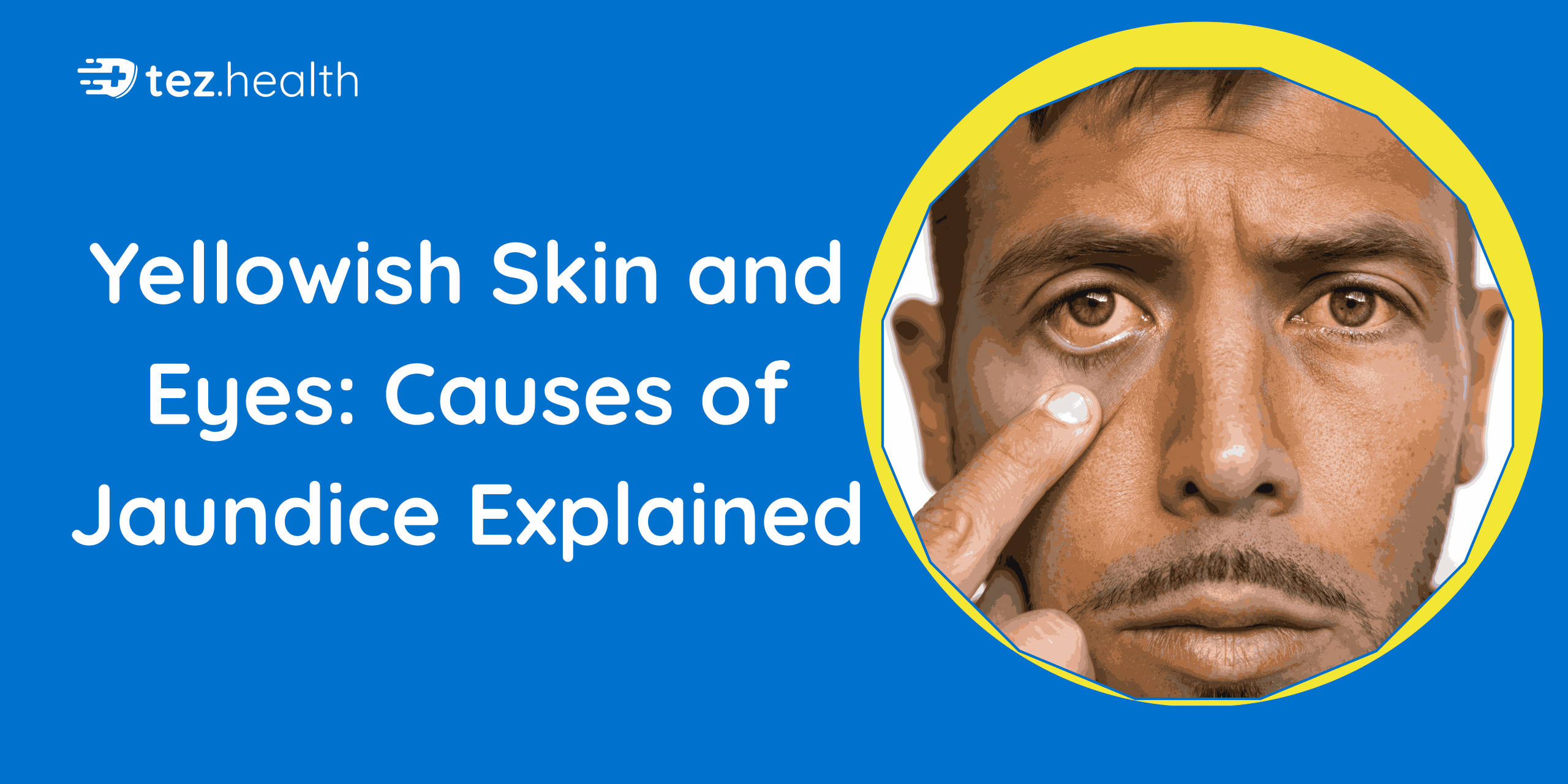
Yellowing of the skin and eyes is a symptom that should never be ignored. This condition, commonly known as jaundice, occurs when there is an increased level of bilirubin in the blood. Bilirubin is a yellow-colored substance produced when red blood cells break down naturally in the body.
Normally, the liver processes bilirubin and removes it through bile. However, when the liver is unable to process bilirubin properly, or when there is a blockage in the bile ducts, bilirubin builds up in the body and causes yellow discoloration of the skin, eyes, and sometimes even urine.
Jaundice itself is not a disease but a sign of an underlying health problem. It can affect newborns, children, and adults, and the severity may range from mild temporary conditions to serious liver diseases that require immediate medical care.
Understanding the causes, symptoms, and treatment options for jaundice is important for early diagnosis and proper management.
In this guide, we will explain why jaundice happens, common causes, symptoms, diagnosis, treatment options, and when you should consult a doctor.
What is Jaundice?
Jaundice is a medical condition where the skin, whites of the eyes, and sometimes mucous membranes become yellow due to excess bilirubin in the bloodstream.
Bilirubin is formed when old red blood cells break down. The liver usually processes bilirubin and removes it from the body through stool and urine.
When this process is disrupted, bilirubin accumulates and causes yellow discoloration.
Why Do the Skin and Eyes Turn Yellow?
The yellow color develops because bilirubin is a yellow pigment.
When bilirubin levels rise:
- The whites of the eyes turn yellow first
- The skin gradually becomes yellow
- Urine may become dark
- Stool color may change
The extent of yellowing often depends on how high the bilirubin levels are.
Common Symptoms of Jaundice
Apart from yellow skin and eyes, jaundice may cause several other symptoms.
Common Symptoms Include:
- Yellowing of eyes and skin
- Dark-colored urine
- Pale or clay-colored stool
- Fatigue
- Weakness
- Loss of appetite
- Nausea and vomiting
- Fever
- Abdominal pain
- Itchy skin
Symptoms may vary depending on the underlying cause.
How Bilirubin is Processed in the Body
To understand jaundice better, it helps to know how bilirubin normally works.
Step 1: Breakdown of Red Blood Cells
Old red blood cells naturally break down and release bilirubin.
Step 2: Liver Processing
The liver processes bilirubin and mixes it into bile.
Step 3: Removal Through Stool
Bilirubin leaves the body through stool and urine.
Problems in any part of this process can lead to jaundice.
Types of Jaundice
Jaundice is generally classified into three main types depending on where the problem occurs.
1. Pre-Hepatic Jaundice
This type occurs before bilirubin reaches the liver.
It usually happens due to excessive breakdown of red blood cells.
Causes Include:
- Hemolytic anemia
- Malaria
- Certain blood disorders
The liver may not be able to process the excessive bilirubin fast enough.
2. Hepatic Jaundice
This type occurs because of liver damage or liver disease.
Common Causes:
- Hepatitis
- Fatty liver disease
- Alcohol-related liver disease
- Liver infections
- Liver cirrhosis
The damaged liver cannot process bilirubin properly.
3. Post-Hepatic Jaundice
This occurs when there is a blockage in the bile ducts that prevents bilirubin from leaving the body.
Common Causes:
- Gallstones
- Tumors
- Pancreatic disease
- Bile duct blockage
This causes bilirubin to build up in the bloodstream.
Common Causes of Jaundice in Adults
1. Hepatitis
Hepatitis is inflammation of the liver caused by:
- Viral infections
- Alcohol use
- Autoimmune diseases
The liver becomes unable to process bilirubin effectively.
Symptoms May Include:
- Fever
- Fatigue
- Abdominal pain
- Loss of appetite
2. Fatty Liver Disease
Fat accumulation in the liver can affect liver function.
Fatty liver disease is often linked to:
- Obesity
- Diabetes
- High cholesterol
- Excess alcohol intake
If untreated, it may progress to liver inflammation and jaundice.
3. Gallstones
Gallstones can block bile ducts and prevent bilirubin from leaving the body.
This may cause:
- Sudden abdominal pain
- Yellow eyes and skin
- Dark urine
4. Alcohol-Related Liver Disease
Excessive alcohol consumption can damage liver cells over time.
Severe liver damage may lead to:
- Jaundice
- Swelling
- Liver failure
5. Liver Cirrhosis
Cirrhosis is permanent scarring of the liver caused by long-term damage.
Common causes include:
- Chronic alcohol use
- Viral hepatitis
- Fatty liver disease
Advanced cirrhosis can significantly impair liver function.
6. Pancreatic Disorders
Tumors or inflammation near the pancreas may block bile flow and cause jaundice.
This type of jaundice often requires urgent medical evaluation.
Jaundice in Newborn Babies
Jaundice is very common in newborns during the first few days of life.
This occurs because:
- The baby’s liver is still developing
- Bilirubin processing is slower initially
Most newborn jaundice is mild and temporary.
However, severe jaundice in babies may require treatment to prevent complications.
Symptoms of Severe Jaundice in Babies
Parents should seek medical care if the baby:
- Has very yellow skin
- Is difficult to wake
- Refuses feeding
- Has fever
- Cries excessively
- Appears weak
Early treatment is important.
Is Jaundice Dangerous?
Jaundice itself is a symptom, but the underlying cause may range from mild to serious.
Mild jaundice may resolve quickly, while severe liver disease can become life-threatening if untreated.
Complications may include:
- Liver failure
- Brain damage in newborns
- Severe infections
- Internal bleeding
Early diagnosis is important to prevent complications.
How Doctors Diagnose Jaundice
Doctors diagnose jaundice by evaluating:
- Symptoms
- Medical history
- Physical examination
They may also recommend tests such as:
- Liver function tests
- Bilirubin blood tests
- Ultrasound scan
- CT scan
- Viral hepatitis testing
These tests help identify the underlying cause.
Treatment for Jaundice
Treatment depends entirely on the underlying condition causing jaundice.
1. Treating Liver Infections
Viral hepatitis and infections may require:
- Medications
- Rest
- Proper hydration
- Liver monitoring
2. Managing Gallstones
Gallstones causing blockage may require:
- Surgery
- Endoscopic procedures
- Medication in some cases
3. Lifestyle Changes
Patients may be advised to:
- Avoid alcohol
- Eat a healthy diet
- Maintain proper hydration
- Control diabetes and cholesterol
4. Treating Anemia or Blood Disorders
If excessive red blood cell breakdown is causing jaundice, treatment focuses on managing the blood condition.
5. Phototherapy for Babies
Newborn jaundice is often treated with special light therapy called phototherapy.
This helps break down bilirubin safely.
Foods and Lifestyle Tips for Liver Health
Maintaining liver health can support recovery and reduce complications.
Drink Plenty of Water
Hydration supports overall body function.
Eat a Balanced Diet
Include:
- Fruits
- Vegetables
- Whole grains
- Lean proteins
Avoid oily and processed foods.
Avoid Alcohol
Alcohol can worsen liver damage significantly.
Avoid Self-Medication
Some medications can strain the liver if taken unnecessarily.
Always consult a doctor before taking medicines.
Get Proper Rest
The body heals better with adequate sleep and rest.
When Should You See a Doctor Immediately?
Seek urgent medical attention if jaundice occurs along with:
- Severe abdominal pain
- High fever
- Confusion
- Difficulty breathing
- Vomiting blood
- Swelling of the abdomen
- Extreme weakness
These may indicate serious liver or bile duct problems.
Can Jaundice Be Prevented?
Some causes of jaundice can be prevented by maintaining good liver health.
Prevention Tips:
- Avoid excessive alcohol
- Maintain healthy weight
- Practice safe hygiene
- Get vaccinated against hepatitis
- Avoid unsafe injections or contaminated food
- Control diabetes and cholesterol
Regular health checkups also help detect liver problems early.
Importance of Early Diagnosis
Many people ignore mild yellowing of the eyes initially.
However, early diagnosis can:
- Identify serious liver disease early
- Prevent complications
- Improve treatment outcomes
- Support faster recovery
Any unexplained yellowing should be medically evaluated.
Frequently Asked Question (FAQ’s) on Yellowish Skin and Eyes: Causes of Jaundice Explained
1. What causes yellow skin and eyes?
Yellow skin and eyes are caused by high bilirubin levels in the body, commonly known as jaundice.
2. Is jaundice a disease?
No, jaundice is a symptom of an underlying health condition affecting bilirubin processing.
3. Can jaundice occur in adults?
Yes, jaundice can affect adults due to liver disease, gallstones, infections, or blood disorders.
4. Is jaundice common in newborns?
Yes, mild jaundice is common in newborn babies during the first few days after birth.
5. What are the common symptoms of jaundice?
Symptoms include yellow skin and eyes, dark urine, pale stool, fatigue, and abdominal pain.
6. Can fatty liver cause jaundice?
Yes, severe fatty liver disease may affect liver function and lead to jaundice.
7. When should I see a doctor for jaundice?
You should consult a doctor if yellowing is persistent or associated with fever, pain, or weakness.
8. Is jaundice contagious?
Jaundice itself is not contagious, but infections like hepatitis that cause jaundice may spread.
9. How is jaundice diagnosed?
Doctors diagnose jaundice using blood tests, liver function tests, and imaging scans.
10. Can jaundice be treated?
Yes, treatment depends on the underlying cause and may include medications, lifestyle changes, or medical procedures.