


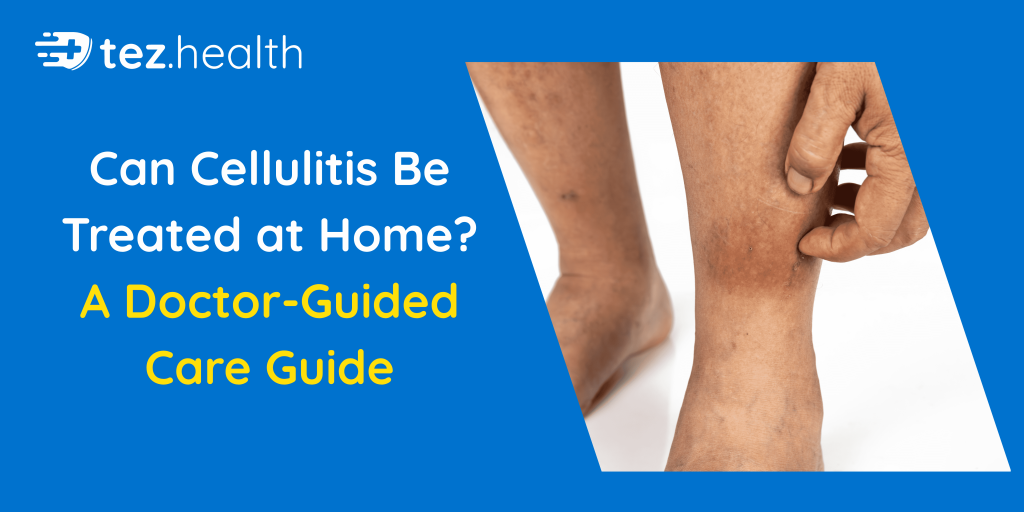
Cellulitis is a common bacterial skin infection that can develop suddenly and spread quickly if not treated properly. It occurs when bacteria enter the skin through small cuts, insect bites, surgical wounds, or cracked skin.
Although cellulitis can affect anyone, it is more common in people with weakened immunity, diabetes, chronic wounds, or skin injuries.
Many patients and families often ask an important question: Can cellulitis be treated at home?
The answer depends on the severity of the infection and early medical guidance. In mild cases, doctors may recommend treatment at home with antibiotics, wound care, and proper monitoring. However, severe infections may require hospitalization and intravenous antibiotics.
Therefore, understanding cellulitis symptoms, treatment options, and home care practices is essential for preventing complications.
This doctor-guided care guide explains how cellulitis develops, when home treatment is safe, and what precautions families should follow.
What Is Cellulitis?
Cellulitis is a bacterial infection that affects the deeper layers of the skin and surrounding tissues. The infection usually begins when bacteria enter through damaged skin.
The most common bacteria responsible for cellulitis include:
- Streptococcus bacteria
- Staphylococcus bacteria
Once bacteria enter the skin, they multiply and trigger inflammation. As a result, the affected area becomes red, swollen, warm, and painful.
Without treatment, the infection may spread to nearby tissues or even enter the bloodstream.
Therefore, early diagnosis and treatment are crucial.
Common Causes of Cellulitis
Cellulitis can develop in several situations where the skin barrier is damaged.
Some of the most common causes include:
Skin Injuries
Cuts, scratches, burns, and insect bites can allow bacteria to enter the skin.
Surgical Wounds
Patients recovering from surgery may develop cellulitis if wounds are not properly cared for.
Chronic Skin Conditions
Conditions like eczema or fungal infections may damage the skin.
Diabetic Foot Ulcers
People with diabetes are at higher risk due to poor wound healing usually get affcted by foot ulcers.
Weak Immune System
Individuals with compromised immunity are more vulnerable to infections.
Symptoms of Cellulitis
Cellulitis symptoms often appear suddenly and may worsen quickly.
Common symptoms include:
- Redness in the affected skin area
- Swelling
- Warmth in the skin
- Pain or tenderness
- Skin that appears tight or stretched
- Fever or chills
- Fatigue
In many cases, the infection occurs in the legs, feet, arms, or face.
Additionally, the redness may gradually expand as the infection spreads.
When Can Cellulitis Be Treated at Home?
Doctors may recommend home treatment for mild cellulitis cases.
However, this decision should always be made after medical evaluation.
Home care may be possible when:
- The infection is mild and localized
- The patient has no severe symptoms
- There are no underlying complications
- The patient can take oral antibiotics
- Regular monitoring is possible
In such cases, proper home care combined with medication can help control the infection effectively.
Medical Treatment for Cellulitis
Treatment for cellulitis usually focuses on eliminating the infection and preventing complications.
Antibiotics
Doctors typically prescribe oral antibiotics to kill the bacteria causing the infection.
The course usually lasts 5 to 14 days, depending on severity.
Patients must complete the entire antibiotic course even if symptoms improve.
Pain Relief
Pain relievers may be recommended to reduce discomfort and inflammation.
Wound Care
If cellulitis develops from a wound, proper wound cleaning and dressing are necessary.
Monitoring
Doctors may ask patients to monitor symptoms and report any worsening signs.
Home Care Tips for Managing Cellulitis
When doctors approve home treatment, several care practices can help improve recovery.
Keep the Affected Area Elevated
Elevating the infected area reduces swelling and improves blood circulation.
For example, if cellulitis affects the leg, keeping it raised while resting may reduce discomfort.
Apply Clean Dressings
If there is a wound or skin injury, keeping it clean and covered helps prevent further infection.
Follow Medication Instructions
Antibiotics should be taken exactly as prescribed.
Skipping doses may worsen the infection.
Stay Hydrated
Proper hydration helps the body fight infections more effectively.
Get Adequate Rest
The immune system works best when the body gets enough rest.
Hygiene Practices That Support Recovery
Maintaining good hygiene is extremely important during cellulitis treatment.
Helpful practices include:
- Washing hands before touching the affected area
- Keeping wounds clean and dry
- Avoiding scratching the infected skin
- Using clean towels and clothing
These measures reduce the risk of spreading bacteria.
Risks of Ignoring Cellulitis
Cellulitis should never be ignored.
Without proper treatment, the infection can lead to serious complications such as:
Abscess Formation
Pockets of pus may develop under the skin.
Blood Infection (Sepsis)
Bacteria may enter the bloodstream and cause life-threatening infection.
Lymphatic Damage
Repeated infections may damage the lymphatic system.
Tissue Damage
Severe infections can destroy surrounding tissues.
Therefore, timely treatment is essential.
Warning Signs That Require Immediate Medical Attention
While mild cellulitis may be treated at home, certain symptoms require urgent medical care.
Seek medical help immediately if you notice:
- Rapidly spreading redness
- Severe pain or swelling
- High fever
- Blisters or skin discoloration
- Numbness in the affected area
- Red streaks spreading from the infection
- Persistent vomiting or weakness
These symptoms may indicate worsening infection.
Who Is at Higher Risk of Cellulitis?
Certain groups have a greater risk of developing cellulitis.
These include:
- People with diabetes
- Elderly individuals
- Patients with poor circulation
- Individuals with weakened immune systems
- Patients with chronic wounds or ulcers
- People with obesity
Preventive care is especially important for these groups.
Preventing Cellulitis
Preventive measures can significantly reduce the risk of cellulitis.
Protect Your Skin
Avoid injuries by wearing protective clothing and footwear.
Treat Wounds Immediately
Clean cuts and scratches properly to prevent infection.
Maintain Skin Hydration
Dry or cracked skin increases infection risk.
Manage Chronic Conditions
Proper management of diabetes and circulation problems reduces complications.
Practice Good Hygiene
Regular hand washing and clean wound care are essential.
Role of Home Healthcare Services
For patients recovering from cellulitis, home healthcare services can provide valuable support.
Professional services may include:
- Wound care and dressing
- Medication administration
- Monitoring infection progress
- Doctor consultations
- Patient education for caregivers
These services help ensure safe recovery while reducing hospital visits.
Caring for Cellulitis in Elderly Patients
Older adults require special attention during cellulitis treatment.
Their skin is thinner and more vulnerable to infection.
Caregivers should:
- Monitor skin regularly
- Ensure proper medication intake
- Maintain hygiene
- Encourage hydration and nutrition
Early medical consultation is important if symptoms worsen.
Conclusion
Cellulitis is a serious skin infection that requires prompt medical attention. Although mild cases may be treated at home under a doctor’s guidance, proper care and monitoring are essential.
Early treatment with antibiotics, proper hygiene, wound care, and adequate rest can help control the infection and prevent complications.
However, if symptoms worsen or spread quickly, immediate medical care is necessary.
By understanding the symptoms, risk factors, and treatment options, patients and caregivers can manage cellulitis safely and support faster recovery.
FAQs on cellulitis care at home
1. What is cellulitis?
Cellulitis is a bacterial infection of the skin and underlying tissues that causes redness, swelling, warmth, and pain in the affected area.
2. Can cellulitis be treated at home?
Yes, mild cellulitis can sometimes be treated at home with doctor-prescribed antibiotics, rest, and proper wound care.
3. How long does cellulitis take to heal?
Most cases improve within 7–10 days after starting antibiotics, although full recovery may take longer depending on severity.
4. Is cellulitis contagious?
Cellulitis itself is not contagious. However, the bacteria causing the infection can spread through open wounds or direct contact.
5. What causes cellulitis infection?
Cellulitis occurs when bacteria enter the skin through cuts, insect bites, surgical wounds, or damaged skin.
6. When should I see a doctor for cellulitis?
You should see a doctor if the infection spreads quickly, causes high fever, severe pain, or does not improve within two days of treatment.
7. Can cellulitis return after treatment?
Yes, cellulitis can recur, especially in people with chronic wounds, diabetes, or weakened immunity.
8. Which body parts are commonly affected by cellulitis?
Cellulitis most commonly affects the legs, feet, arms, and face.
9. Can cellulitis lead to serious complications?
Yes. Untreated cellulitis can lead to abscesses, bloodstream infections, or tissue damage.
10. How can cellulitis be prevented?
Cellulitis can be prevented by protecting the skin, cleaning wounds promptly, maintaining hygiene, and managing underlying medical conditions.