A Comprehensive Guide to Understanding the Future of Medical Care in India
Healthcare in India is undergoing a significant transformation. With rapid urbanization, rising chronic illnesses, aging populations, and technological advancements, patients are increasingly exploring alternatives to traditional hospital-based care.
One major question being asked today is:
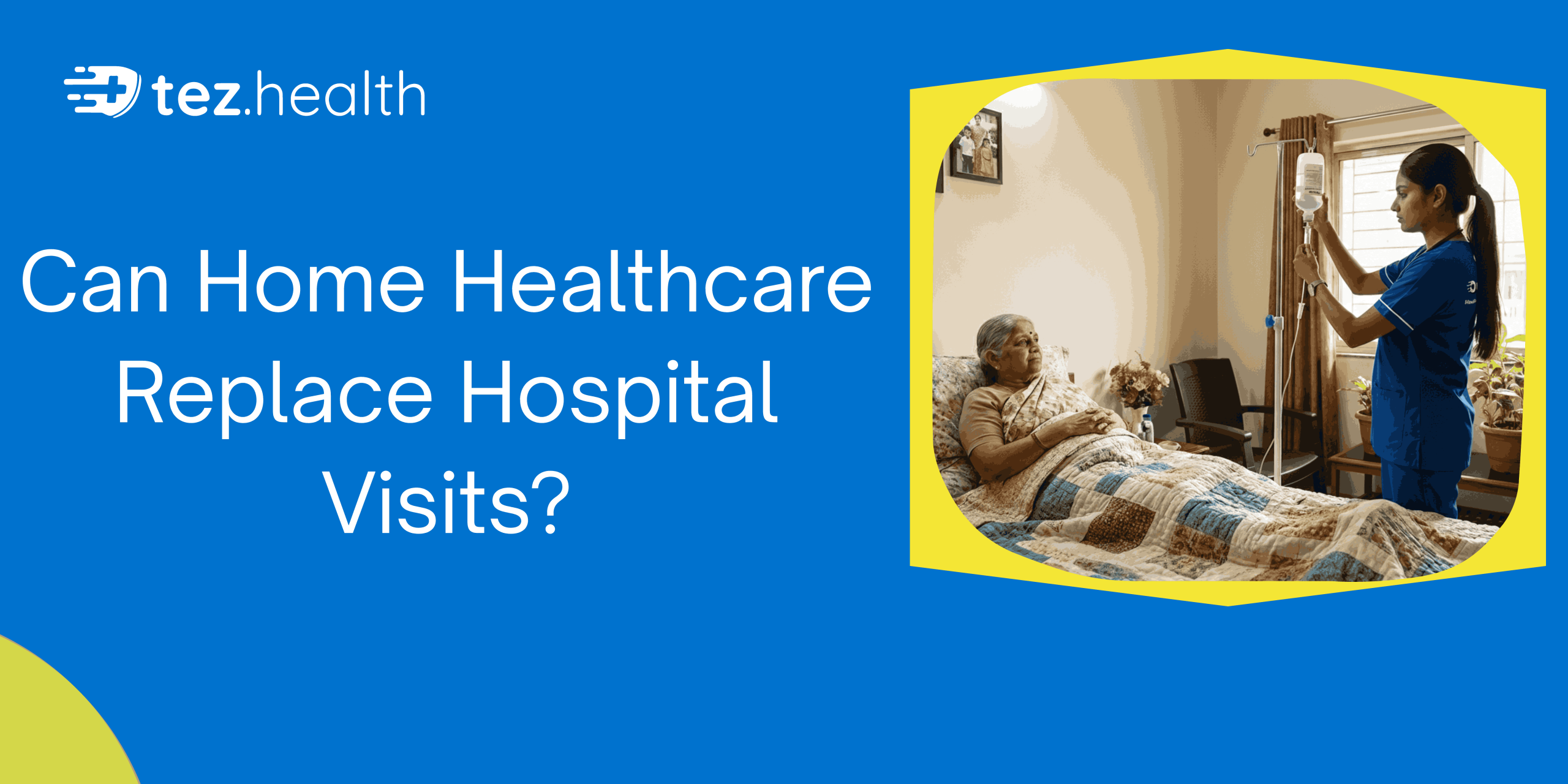
Can home healthcare replace hospital visits?
The answer is not a simple yes or no. Home healthcare can replace hospital visits in certain situations — but not all. Understanding where home healthcare fits in the healthcare ecosystem is critical for patients, families, and caregivers.
This in-depth guide explores:
- What home healthcare really includes
- Situations where hospital visits are necessary
- When home healthcare is equally effective or better
- Safety considerations
- Cost implications
- Technology’s role
- The future of home-based medical care in India
This blog is structured to provide medical clarity, patient awareness, and strategic healthcare understanding.
Understanding Home Healthcare Services
Home healthcare refers to professional medical services delivered at a patient’s residence. It is not informal caregiving — it involves trained healthcare professionals including:
- Doctors
- Registered nurses
- Physiotherapists
- Lab technicians
- Critical care staff
Home healthcare services commonly include:
- Doctor visit at home
- Nursing care at home
- IV therapy at home
- Injection services
- Wound dressing
- Post-surgical care
- Elderly care
- Diagnostic sample collection
- Oxygen therapy
- Palliative care
The objective is to provide hospital-level care in a home environment for eligible medical conditions.
Why Patients Are Considering Home Healthcare
There are several reasons why home healthcare is gaining popularity:
1. Convenience
Avoiding traffic, long hospital waiting times, and overcrowded OPDs is a major benefit.
2. Comfort
Patients recover better in familiar environments surrounded by family.
3. Reduced Infection Risk
Hospitals carry risk of hospital-acquired infections. Home care reduces exposure.
4. Elderly-Friendly
Elderly patients often struggle with mobility. Home care for elderly eliminates travel stress.
5. Cost Efficiency
Home healthcare can be more affordable for long-term care compared to extended hospital stays.
Situations Where Home Healthcare Can Replace Hospital Visits
Home healthcare can safely replace hospital visits in many non-critical scenarios.
1. Minor Illnesses
Conditions such as:
- Fever
- Mild infections
- Dehydration
- Gastritis
- Viral illnesses
A doctor visit at home can diagnose and manage these conditions effectively.
2. Chronic Disease Management
Patients with:
- Diabetes
- Hypertension
- Thyroid disorders
- Asthma
- COPD
can be managed through regular monitoring at home.
Home nurses can check:
- Blood pressure
- Blood sugar
- Oxygen saturation
- Medication compliance
3. Post-Surgical Recovery
After discharge, patients often need:
- Wound dressing
- IV antibiotics
- Drain care
- Catheter care
- Suture removal
Home nursing care ensures recovery continues safely without repeated hospital visits.
4. Elderly Care
Elderly patients often need:
- Medication supervision
- Fall prevention
- Pressure sore management
- Mobility assistance
Home healthcare improves quality of life while reducing unnecessary hospital exposure.
5. Palliative and End-of-Life Care
Patients with advanced illness may prefer comfort-focused care at home. Professional palliative care services can manage:
- Pain control
- Oxygen support
- Symptom management
- Emotional support
6. Diagnostic Services
Blood tests, ECG, and other basic diagnostics can be performed at home, reducing hospital dependency.
Situations Where Hospital Visits Are Still Necessary
Home healthcare cannot fully replace hospital visits in emergencies or complex medical situations.
1. Major Trauma
Accidents, severe injuries, fractures, or internal bleeding require hospital emergency care.
2. Heart Attack or Stroke
Immediate hospital intervention with advanced cardiac and neurological care is critical.
3. Complex Surgeries
Major surgeries require operating theaters, anesthesiologists, ICU monitoring, and surgical teams.
4. Severe Respiratory Failure
Patients requiring ventilators or intensive care monitoring must be hospitalized.
5. Advanced Diagnostic Imaging
MRI, CT scan, and certain specialized procedures can only be done in hospital settings.
Comparing Home Healthcare vs Hospital Care
1. Environment
Hospital:
- Controlled medical setting
- Continuous monitoring
Home:
- Comfortable environment
- Personalized attention
2. Infection Risk
Hospital:
- Higher risk of hospital-acquired infections
Home:
- Lower exposure risk
3. Monitoring
Hospital:
- Continuous monitoring equipment
- Immediate access to specialists
Home:
- Periodic monitoring
- Remote doctor consultation
4. Cost
Hospital:
- Higher bed charges
- Facility charges
- Multiple service fees
Home:
- Pay-per-service model
- Often lower long-term cost
5. Psychological Impact
Hospital:
- Anxiety-inducing for some patients
Home:
- Faster emotional recovery
- Family presence improves morale
Is Home Healthcare Medically Safe?
Yes — when provided by trained professionals following medical protocols.
Safety depends on:
- Proper patient assessment
- Qualified doctors and nurses
- Sterile technique
- Emergency preparedness
- Biomedical waste management
Professional home healthcare providers use:
- Standard treatment guidelines
- Registered nurses
- Telemedicine support
- Escalation protocols
However, home healthcare should only be used when clinically appropriate.
Technology Is Expanding Home Healthcare Capabilities
Modern technology has significantly increased the scope of home healthcare.
Remote Monitoring
Devices can track:
- Blood pressure
- Blood glucose
- Oxygen levels
- Heart rate
Data can be shared with doctors in real-time.
Portable Medical Equipment
Portable devices now allow:
- ECG at home
- IV infusion pumps
- Oxygen concentrators
- Nebulizers
Telemedicine Integration
Doctors can assess patients virtually, prescribe medication, and guide nurses remotely.
Technology is bridging the gap between hospital and home care.
Economic Impact of Home Healthcare in India
India’s healthcare system faces:
- Overcrowded hospitals
- Limited hospital beds
- Rising healthcare costs
Home healthcare helps by:
- Reducing unnecessary admissions
- Freeing hospital beds for critical cases
- Lowering healthcare expenditure
- Expanding access in urban and semi-urban areas
The home healthcare industry in India is projected to grow significantly in the coming years.
Advantages of Replacing Select Hospital Visits with Home Care
- Reduced hospital burden
- Lower infection risk
- Personalized care
- Faster recovery
- Improved patient satisfaction
- Lower healthcare cost
Limitations of Home Healthcare
Despite advantages, home healthcare has limitations:
- Limited emergency response capacity
- No immediate surgical backup
- Equipment limitations
- Dependence on patient stability
It complements hospitals — it does not eliminate them.
The Hybrid Model: The Future of Healthcare
The most practical approach is a hybrid model:
- Hospitals for emergencies and surgeries
- Home healthcare for recovery and chronic care
This integrated system improves efficiency, reduces cost, and enhances patient comfort.
Frequently Asked Questions (FAQs)
1. Can home healthcare fully replace hospitals?
No. Home healthcare can replace hospital visits for minor illnesses, chronic care, and recovery. However, emergencies and complex surgeries still require hospital care.
2. Is home healthcare safe for elderly patients?
Yes, when provided by trained professionals, home healthcare is often safer and more comfortable for elderly patients.
3. Is home healthcare cheaper than hospital care?
In many non-critical situations, home healthcare is more cost-effective, especially for long-term care.
4. What medical conditions can be treated at home?
Minor infections, chronic diseases, post-surgical recovery, wound care, IV therapy, and palliative care are commonly managed at home.
5. How do I know if my condition is suitable for home care?
A qualified doctor must assess the patient’s stability and determine if home treatment is appropriate.
Conclusion
Home healthcare is not about replacing hospitals — it is about redefining healthcare delivery.
Hospitals remain essential for:
- Emergency care
- Surgery
- Intensive care
But for:
- Recovery
- Monitoring
- Chronic disease management
- Elderly care
- Minor acute illnesses
Home healthcare is increasingly becoming the preferred and practical option.
The future of Indian healthcare lies in integration — combining hospital excellence with doorstep medical care.
Patients today want:
- Accessibility
- Affordability
- Safety
- Comfort
Home healthcare delivers these — when used appropriately and responsibly.
The real question is not whether home healthcare can replace hospital visits.
The real question is:
When should hospital visits be replaced — and when should they not?
Making that decision with professional medical guidance ensures safe, effective, and patient-centered care.