
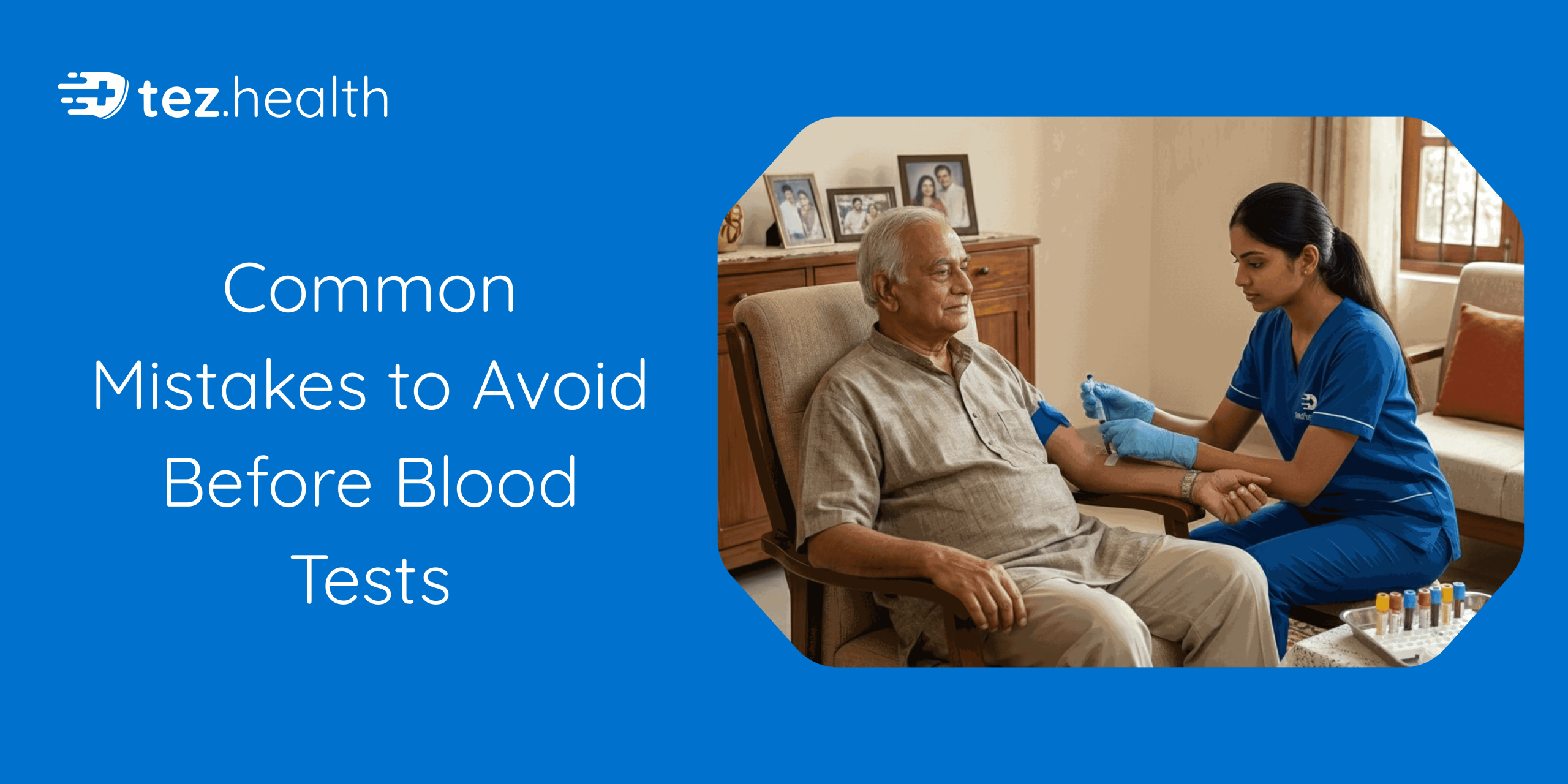
Blood tests are among the most commonly performed medical investigations worldwide. They help diagnose diseases, monitor chronic conditions, assess organ function, detect infections, and evaluate overall health.
However, many people overlook one critical factor — proper preparation.
In fact, the accuracy of blood test results depends not only on laboratory quality but also on how well the patient prepares beforehand. Even small mistakes — such as eating at the wrong time, drinking coffee, exercising intensely, or taking certain medications — can significantly alter results.
Therefore, understanding what not to do before a blood test is just as important as understanding the test itself.
In this comprehensive guide, we will explore the most common mistakes people make before a blood test. Additionally, we will explain how to avoid them to ensure accurate and reliable results.
If you want to prevent repeat testing, unnecessary anxiety, or misdiagnosis, this guide is essential.
Why Proper Preparation Before a Blood Test Matters
At a macro level, blood tests are used for:
-
Diagnosing diabetes
-
Detecting infections
Meanwhile, at a micro level, blood contains:
-
Hormones
-
Electrolytes
-
Enzymes
-
Glucose
-
Lipids
-
Proteins
-
Cells
These components constantly fluctuate based on food intake, hydration, activity level, medications, sleep, and stress. As a result, improper preparation can temporarily change these values.
Consequently, this may lead to:
-
False-positive results
-
False-negative results
-
Misinterpretation
-
Unnecessary medications
-
Repeat blood tests
Clearly, preparation is not optional — it is essential.
Mistake 1: Not Fasting When Required
One of the most common mistakes is ignoring fasting instructions.
Certain blood tests require fasting, such as fasting blood sugar, lipid profile, insulin tests, and glucose tolerance tests, require 8–12 hours of fasting.
What Happens If You Eat?
After eating, blood glucose rises. Subsequently, insulin levels increase. At the same time, triglycerides elevate and liver metabolism shifts.
Even a small snack, therefore, can alter results.
What to Do Instead
First, confirm the required fasting duration with the lab.
Next, schedule a morning appointment.
Finally, avoid food, tea, coffee, milk, and juice — and drink only plain water.
Mistake 2: Drinking Coffee or Tea Before the Test
Many people assume black coffee is allowed during fasting. However, this is incorrect.
Caffeine can increase cortisol levels. As a result, blood sugar may rise. Furthermore, caffeine can stimulate insulin and affect heart rate.
Therefore, even sugar-free beverages may interfere with metabolic tests.
Better Alternative
Stick strictly to plain water.
Mistake 3: Drinking Alcohol the Night Before
Alcohol significantly affects blood chemistry. For example, it can raise triglycerides and alter liver enzymes such as SGOT and SGPT. In addition, it may affect blood sugar and cause dehydration.
Even moderate drinking can distort results. Hence, it is advisable to avoid alcohol for at least 24–48 hours before testing.
Mistake 4: Intense Exercise Before the Test
Strenuous exercise temporarily changes creatinine levels, muscle enzymes, blood sugar, and white blood cell count.
Therefore, individuals who engage in heavy workouts shortly before testing may show abnormal values.
Instead, avoid intense workouts for 24 hours prior. However, light walking is generally acceptable.
Mistake 5: Not Informing About Medications
Many medications influence blood test results. For instance:
-
Steroids can raise blood sugar
-
Thyroid medication affects TSH levels
-
Biotin interferes with hormone tests
-
Blood pressure medicines alter electrolytes
-
Antibiotics may influence liver function
However, stopping medication without medical advice can be dangerous.
Therefore, always inform your doctor and lab about all medications and supplements. If necessary, ask whether any should be paused — but never stop prescribed drugs on your own.
Mistake 6: Not Drinking Enough Water
Dehydration makes veins harder to locate. Moreover, it can concentrate blood values.
As a result, hemoglobin may appear elevated and kidney markers may shift.
Therefore, drink adequate water unless specifically instructed otherwise.
Mistake 7: Smoking Before a Blood Test
Smoking increases cortisol levels. Consequently, blood sugar may rise. Additionally, nicotine affects hemoglobin and white blood cell count.
For this reason, avoid smoking for several hours before testing.
Mistake 8: Ignoring Timing of the Test
Certain blood tests are time-sensitive. For example:
-
Cortisol is best tested in the morning
-
Testosterone peaks early morning
-
Iron levels are more accurate in the morning
-
Thyroid tests are best done before medication
Thus, testing at the wrong time may lead to misinterpretation.
Mistake 9: Stress and Anxiety
Stress triggers cortisol release. Subsequently, blood sugar and blood pressure increase.
Although temporary, these changes can distort metabolic and hormonal readings.
Therefore, try to sleep well, arrive early, and practice deep breathing before the test.
Mistake 10: Not Getting Enough Sleep
Sleep deprivation affects glucose metabolism, cortisol levels, thyroid hormones, and immune markers.
As a result, poor sleep may mimic disease patterns.
Aim for 7–8 hours of quality sleep before testing.
Mistake 11: Eating Fatty Food the Night Before a Lipid Test
Even if you fast correctly, a heavy fatty dinner can elevate triglycerides the next morning.
Therefore, eat a light and balanced meal before beginning your fast.
Mistake 12: Chewing Gum During Fasting
Chewing gum stimulates digestion. Consequently, insulin release may occur.
Even sugar-free gum can interfere with metabolic readings. Hence, avoid it completely.
Mistake 13: Taking Supplements Without Disclosure
Certain supplements, especially biotin, vitamin D, iron, creatine, and herbal products, can affect lab values.
Therefore, always inform your healthcare provider about supplements.
Mistake 14–20: Additional Avoidable Errors
Similarly, other common mistakes include:
-
Wearing tight clothing, which complicates blood draw
-
Moving excessively during collection
-
Fasting too long
-
Testing during active infection
-
Ignoring special pre-test instructions
-
Testing hormones at incorrect menstrual cycle phases
-
Hesitating to ask clarifying questions
In each case, small oversights can create measurable biochemical changes.
Micro-Level Impact: Why Small Mistakes Matter
Let’s connect the dots.
Eating raises glucose, which triggers insulin, which alters lipid metabolism.
Meanwhile, stress increases cortisol, which elevates blood sugar.
Similarly, exercise raises muscle enzymes, which may mimic muscle damage.
Alcohol increases triglycerides and liver enzymes.
Dehydration concentrates blood values.
Therefore, even minor actions can significantly influence lab results.
Consequences of Incorrect Preparation
If preparation is poor, the consequences may include:
-
False diabetes diagnosis
-
Unnecessary cholesterol medication
-
Incorrect thyroid treatment
-
Repeat testing
-
Higher medical costs
-
Emotional distress
Clearly, accuracy directly impacts treatment decisions.
Best Practices Before Any Blood Test
To ensure reliable results:
-
Confirm fasting requirements
-
Avoid alcohol 24–48 hours prior
-
Avoid intense exercise
-
Sleep adequately
-
Drink water
-
Avoid caffeine and smoking
-
Inform about medications
-
Follow timing instructions
-
Stay calm
Conclusion
Blood tests are powerful diagnostic tools. However, their accuracy depends heavily on proper preparation.
Fortunately, most mistakes are simple and preventable. Nevertheless, they can significantly affect diagnosis and treatment decisions.
Taking a few precautions ensures:
-
Reliable results
-
Accurate diagnosis
-
Fewer repeat tests
-
Better health decisions
-
Reduced stress
Preparation takes only a few hours. In contrast, incorrect results can influence your health for years.
The next time you schedule a blood test, prepare carefully — because small steps before the test make a big difference afterward.