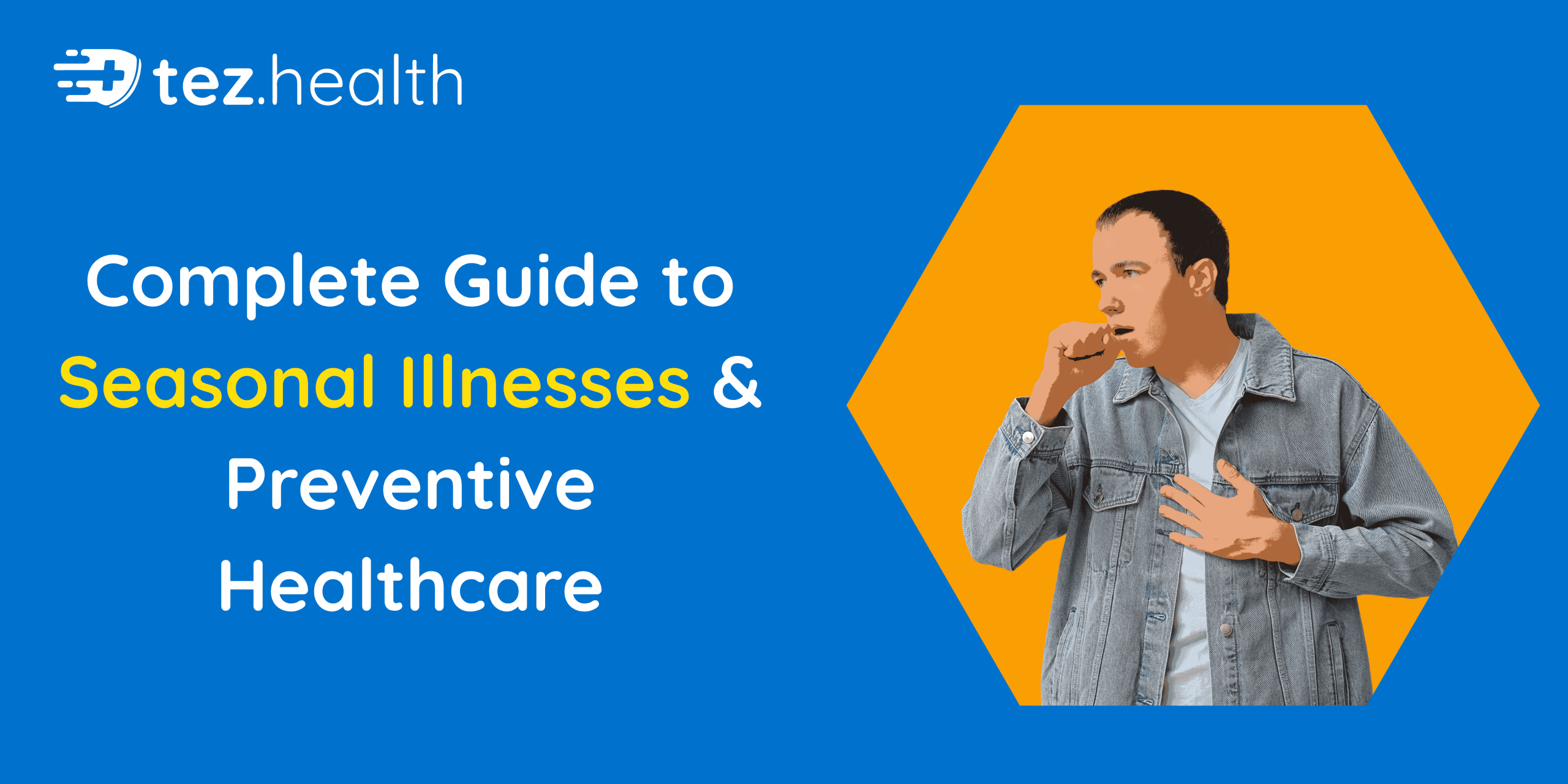
Seasonal illnesses affect millions of people every year. As the weather changes, the human body takes time to adjust to new environmental conditions. Consequently, these changes often increase the risk of infections and health problems.
In India, seasonal illnesses commonly occur during the monsoon, winter, and summer months. For example, viral infections, dengue, flu, stomach infections, and respiratory problems tend to rise during these periods.
However, the good news is that many seasonal diseases can be prevented. With the right awareness, hygiene practices, proper nutrition, and early medical care, families can significantly reduce their risk.
Therefore, understanding seasonal illnesses and preventive healthcare measures is essential. This comprehensive guide explains common seasonal diseases, their symptoms, prevention strategies, and when to seek medical help.
What Are Seasonal Illnesses?
Seasonal illnesses refer to diseases that occur more frequently during specific times of the year. Weather changes, temperature fluctuations, humidity, and environmental factors often trigger these conditions.
For instance, certain viruses thrive in cold weather, while mosquito-borne diseases increase during the rainy season.
Additionally, sudden changes in climate can weaken the immune system. As a result, people become more vulnerable to infections.
Some seasonal illnesses are mild and resolve quickly. However, others may become serious if not treated on time. Therefore, early prevention and awareness play an important role in maintaining health.
Why Do Seasonal Diseases Increase?
Several factors contribute to the rise of illnesses during particular seasons.
Weather Changes
Sudden temperature shifts can weaken the immune system. Consequently, the body becomes more susceptible to infections.
Increased Virus Activity
Certain viruses spread more easily during specific weather conditions. For example, influenza viruses spread faster during colder months.
Mosquito Breeding
During the rainy season, stagnant water becomes an ideal breeding ground for mosquitoes. As a result, diseases such as dengue and malaria increase.
Poor Hygiene and Contaminated Food
During summer and monsoon seasons, food contamination and waterborne diseases become more common.
Reduced Immunity
Changes in lifestyle, poor nutrition, lack of sleep, and stress can also weaken immunity. Therefore, the body struggles to fight infections effectively.
Common Seasonal Illnesses in India
Different seasons bring different types of illnesses. Understanding them can help individuals take preventive measures early.
1. Common Cold and Flu
The common cold and flu are among the most widespread seasonal illnesses.
These viral infections spread easily through coughing, sneezing, and close contact.
Symptoms
- Runny or blocked nose
- Sore throat
- Fever
- Headache
- Body pain
- Fatigue
Although these infections usually resolve within a few days, severe symptoms may require medical attention.
Prevention
- Wash hands regularly
- Avoid close contact with infected individuals
- Maintain strong immunity through proper nutrition
- Stay hydrated
2. Dengue Fever
Dengue fever is a mosquito-borne viral infection that increases significantly during the monsoon season.
Mosquitoes that carry dengue breed in stagnant water around homes and communities.
Symptoms
- High fever
- Severe headache
- Pain behind the eyes
- Joint and muscle pain
- Skin rash
- Nausea and vomiting
Severe dengue can lead to complications. Therefore, early diagnosis and medical care are extremely important.
Prevention
- Avoid stagnant water around the house
- Use mosquito repellents
- Install window screens
- Wear protective clothing
3. Malaria
Malaria is another mosquito-borne disease common during the rainy season.
It spreads through the bite of infected female Anopheles mosquitoes.
Symptoms
- Fever with chills
- Sweating
- Headache
- Nausea
- Fatigue
Without proper treatment, malaria can become life-threatening.
Prevention
- Use mosquito nets while sleeping
- Remove stagnant water sources
- Apply mosquito repellents
- Maintain clean surroundings
4. Typhoid
Typhoid fever spreads through contaminated food and water. It becomes more common during monsoon and summer months when hygiene conditions deteriorate.
Symptoms
- Persistent fever
- Weakness
- Stomach pain
- Diarrhea or constipation
- Loss of appetite
Early treatment with antibiotics usually cures the infection.
Prevention
- Drink clean and purified water
- Avoid street food during outbreaks
- Wash fruits and vegetables properly
- Maintain proper hand hygiene
5. Food Poisoning
Food poisoning occurs when individuals consume contaminated food or beverages.
Hot weather increases bacterial growth in food, which raises the risk of infection.
Symptoms
- Nausea
- Vomiting
- Diarrhea
- Abdominal pain
- Fever
Although most cases resolve within a few days, severe dehydration may require medical attention.
Prevention
- Eat freshly prepared food
- Store food properly
- Avoid stale or uncovered food
- Wash hands before meals
6. Heat Stroke and Dehydration
Heat-related illnesses occur during extreme summer temperatures.
When the body cannot regulate its temperature properly, it may lead to dehydration or heat stroke.
Symptoms
- Excessive sweating
- Dizziness
- Headache
- Rapid heartbeat
- Confusion
Heat stroke can become a medical emergency.
Prevention
- Drink plenty of water
- Avoid direct sunlight during peak hours
- Wear light clothing
- Take frequent breaks in cool environments
7. Respiratory Infections
Respiratory infections increase during colder months.
Cold weather can irritate airways and increase susceptibility to infections.
Symptoms
- Cough
- Chest congestion
- Fever
- Difficulty breathing
- Fatigue
Individuals with asthma or chronic lung diseases are particularly vulnerable.
Prevention
- Avoid exposure to cold air
- Maintain indoor ventilation
- Practice respiratory hygiene
- Seek early medical care if symptoms worsen
Importance of Preventive Healthcare
Preventive healthcare focuses on reducing the risk of diseases before they occur.
Instead of waiting for illness to develop, preventive strategies protect overall health and well-being.
These measures include:
- Regular health checkups
- Vaccinations
- Healthy lifestyle habits
- Early medical consultations
By adopting preventive healthcare practices, individuals can reduce the likelihood of seasonal illnesses.
Strengthening Immunity Naturally
A strong immune system plays a vital role in protecting the body against infections.
Eat a Balanced Diet
Include fruits, vegetables, whole grains, and protein-rich foods in daily meals.
Stay Hydrated
Drinking enough water supports body functions and prevents dehydration.
Exercise Regularly
Physical activity improves circulation and strengthens the immune system.
Get Adequate Sleep
Sleep allows the body to repair and recover.
Manage Stress
Chronic stress weakens immunity. Therefore, relaxation techniques such as meditation can help maintain overall health.
Hygiene Practices That Prevent Seasonal Illness
Simple hygiene habits can prevent many infections.
Important practices include:
- Washing hands with soap frequently
- Avoiding touching the face with unclean hands
- Covering the mouth while coughing or sneezing
- Maintaining clean living environments
- Properly disposing of waste
These practices significantly reduce the spread of infections.
Importance of Early Diagnosis
Early detection of seasonal illnesses can prevent complications.
Many diseases initially show mild symptoms. However, if ignored, they may worsen.
Therefore, individuals should seek medical advice if symptoms persist for several days or become severe.
Early diagnosis helps ensure proper treatment and faster recovery.
Role of Home Healthcare Services
Home healthcare services play an important role in managing seasonal illnesses.
Many patients prefer receiving medical care in the comfort of their homes.
Home healthcare services can provide:
- Doctor consultations
- Nursing care
- Diagnostic tests
- Medication administration
- Post-illness monitoring
These services are particularly helpful for elderly patients, children, and individuals with chronic conditions.
When Should You Seek Medical Help?
Although many seasonal illnesses are mild, certain symptoms require immediate medical attention.
Seek medical help if you experience:
- High fever lasting more than two days
- Difficulty breathing
- Severe dehydration
- Persistent vomiting
- Severe abdominal pain
- Sudden weakness or confusion
Early treatment can prevent serious complications.
Protecting Vulnerable Groups
Certain groups face a higher risk of seasonal illnesses.
These include:
- Elderly individuals
- Children
- Pregnant women
- People with chronic diseases
- Individuals with weakened immunity
Therefore, families should take extra precautions to protect these vulnerable individuals.
Conclusion
Seasonal illnesses are common, but they can often be prevented with proper awareness and healthcare practices.
Understanding how different diseases spread during various seasons allows individuals to take preventive steps early.
Maintaining good hygiene, strengthening immunity, eating healthy food, and seeking timely medical care are essential for staying healthy throughout the year.
Most importantly, preventive healthcare helps reduce the risk of serious complications and ensures better long-term well-being.
By adopting these habits, families can protect themselves from seasonal illnesses and enjoy a healthier life regardless of the weather.
FAQs on Seasonal Illnesses & Preventive Healthcare
1. What are seasonal illnesses?
Seasonal illnesses are health conditions that occur more frequently during specific times of the year due to weather changes, viruses, or environmental factors. Common examples include flu, dengue, malaria, food poisoning, and respiratory infections.
2. Why do seasonal diseases increase during weather changes?
Seasonal diseases increase because temperature changes, humidity, and environmental factors affect immunity and virus activity. Additionally, monsoon seasons promote mosquito breeding, while winter conditions help respiratory viruses spread more easily.
3. What are the most common seasonal diseases in India?
Common seasonal diseases in India include dengue, malaria, viral fever, flu, typhoid, food poisoning, respiratory infections, and heat-related illnesses. These diseases often increase during monsoon, winter, and extreme summer months.
4. How can seasonal illnesses be prevented?
Seasonal illnesses can be prevented by maintaining good hygiene, eating nutritious food, drinking clean water, avoiding mosquito exposure, staying hydrated, and getting regular health checkups. Strong immunity also helps the body fight infections effectively.
5. Which season has the highest risk of infections?
The monsoon season usually has the highest risk of infections because stagnant water encourages mosquito breeding and humidity supports bacterial and viral growth. However, winter also increases respiratory infections like flu and cold.
6. How can I boost my immunity to avoid seasonal diseases?
You can strengthen immunity by eating a balanced diet, exercising regularly, getting enough sleep, managing stress, and staying hydrated. In addition, consuming fruits, vegetables, and vitamin-rich foods helps the body fight infections.
7. When should I see a doctor for seasonal illness?
You should consult a doctor if symptoms such as high fever, persistent cough, vomiting, severe weakness, breathing difficulty, or dehydration last more than two days or worsen over time.
8. Are children and elderly people more vulnerable to seasonal illnesses?
Yes, children and elderly individuals have weaker immune systems compared to healthy adults. As a result, they are more vulnerable to infections such as flu, dengue, and respiratory illnesses during seasonal changes.
9. Can seasonal illnesses be treated at home?
Many mild seasonal illnesses like cold, mild fever, or viral infections can be managed at home with rest, hydration, and proper nutrition. However, severe symptoms should always be evaluated by a healthcare professional.
10. Why is preventive healthcare important for seasonal diseases?
Preventive healthcare helps detect health risks early and reduces the chances of severe illness. Regular health checkups, vaccinations, hygiene practices, and early medical consultation play an important role in preventing seasonal diseases.