


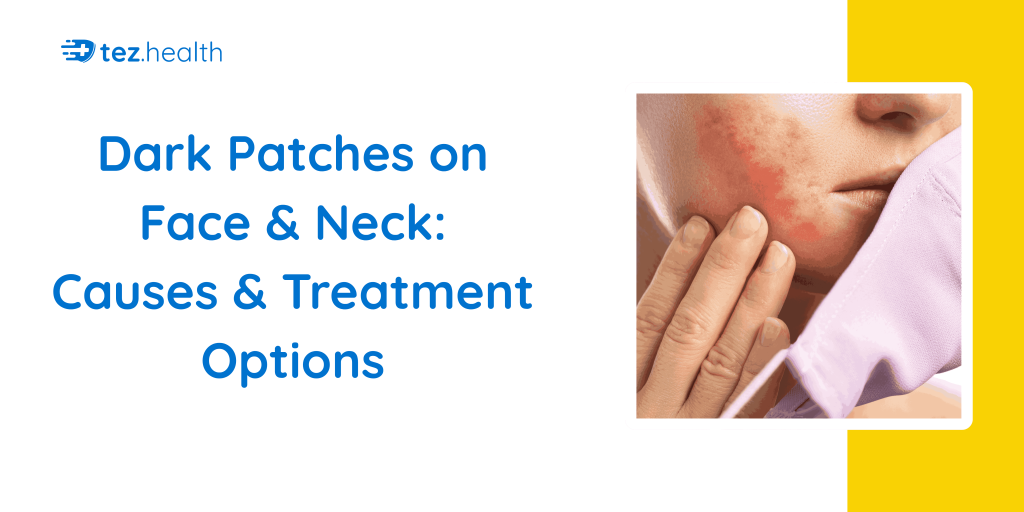
Dark patches on the face and neck are a common skin concern affecting people of all ages. These patches may appear as uneven skin tone, brown or black discoloration, velvety skin changes, or areas of pigmentation that gradually become more noticeable over time.
While some dark patches are harmless and caused by sun exposure or aging, others may indicate underlying health conditions such as hormonal imbalance, insulin resistance, nutritional deficiencies, or skin disorders. In many cases, these patches can affect self-confidence and emotional well-being, especially when they become difficult to hide or continue spreading.
Understanding the root cause of dark patches is important because treatment depends on what is triggering the pigmentation. Some cases improve with skincare and lifestyle changes, while others may require medical evaluation and targeted treatment.
In this guide, we will explain the common causes of dark patches on the face and neck, available treatment options, prevention methods, and when you should consult a doctor.
What Are Dark Patches on the Skin?
Dark patches occur when certain areas of the skin produce excess melanin, the pigment responsible for skin color.
These patches may appear:
- Brown
- Black
- Grayish
- Uneven or blotchy
Dark patches may develop gradually or suddenly depending on the underlying cause.
They commonly affect:
- Face
- Neck
- Forehead
- Cheeks
- Around the mouth
- Underarms
- Hands
Common Symptoms Associated with Dark Patches
Apart from discoloration, some people may experience:
- Dry or rough skin
- Velvety skin texture
- Itching
- Thickened skin
- Acne or pimples
- Skin irritation
- Uneven skin tone
The symptoms vary based on the condition causing the pigmentation.
Common Causes of Dark Patches on Face & Neck
1. Hyperpigmentation
Hyperpigmentation is one of the most common causes of dark patches.
It occurs when the skin produces excess melanin due to:
- Sun exposure
- Inflammation
- Skin injury
- Hormonal changes
Common forms of hyperpigmentation include:
- Sunspots
- Post-inflammatory pigmentation
- Melasma
2. Sun Exposure
Excessive exposure to ultraviolet (UV) rays stimulates melanin production.
Over time, this can cause:
- Dark spots
- Uneven skin tone
- Premature aging
People who spend long hours outdoors without sunscreen are more likely to develop pigmentation.
3. Melasma
Melasma is a common skin condition that causes brown or gray patches on the face.
It often affects:
- Forehead
- Cheeks
- Nose
- Upper lip
Melasma is commonly linked to:
- Hormonal changes
- Pregnancy
- Birth control pills
- Sun exposure
Women are more commonly affected than men.
4. Acanthosis Nigricans
Acanthosis nigricans causes dark, thick, velvety patches commonly found on:
- Neck
- Underarms
- Groin
This condition is often associated with:
- Insulin resistance
- Obesity
- Diabetes
- Hormonal disorders
It may be an early warning sign of metabolic problems.
5. Post-Inflammatory Hyperpigmentation
Skin inflammation or injury may leave dark marks after healing.
Common triggers include:
- Acne
- Eczema
- Burns
- Allergic reactions
- Skin infections
The pigmentation may take weeks or months to fade.
6. Hormonal Imbalance
Hormonal changes can affect melanin production and lead to skin darkening.
Common hormonal causes include:
- Pregnancy
- PCOS
- Thyroid disorders
- Menopause
Hormonal imbalance may also worsen acne and skin sensitivity.
7. Diabetes and Insulin Resistance
Dark patches around the neck can sometimes be linked to insulin resistance.
This occurs when the body has difficulty using insulin effectively.
Associated symptoms may include:
- Weight gain
- Fatigue
- Increased hunger
- High blood sugar levels
Early diagnosis is important to prevent complications.
8. Nutritional Deficiencies
Deficiency of certain vitamins may affect skin health.
Common deficiencies linked to pigmentation include:
- Vitamin B12 deficiency
- Iron deficiency
These deficiencies may also cause:
- Fatigue
- Weakness
- Pale skin
9. Skin Friction
Constant rubbing or friction can darken the skin over time.
This commonly affects:
- Neck folds
- Underarms
- Inner thighs
Tight clothing and obesity may increase friction-related pigmentation.
10. Certain Medications
Some medicines can increase skin pigmentation as a side effect.
Examples include:
- Hormonal medications
- Certain antibiotics
- Chemotherapy drugs
The pigmentation may improve after stopping the medication under medical supervision.
When Should You See a Doctor for Dark Patches?
Medical evaluation is important if:
- The patches spread rapidly
- Skin becomes thick or velvety
- There is itching or irritation
- Pigmentation appears suddenly
- There are symptoms of diabetes or hormonal imbalance
- Home remedies are not helping
Early diagnosis can help identify underlying health conditions.
How Doctors Diagnose the Cause of Dark Patches
Doctors usually evaluate:
- Medical history
- Skin appearance
- Lifestyle factors
- Hormonal symptoms
They may recommend:
- Blood sugar tests
- Hormone tests
- Thyroid function tests
- Vitamin deficiency screening
- Skin examination
In some cases, a dermatologist may perform additional skin tests.
Treatment Options for Dark Patches
Treatment depends on the underlying cause.
1. Treating Underlying Medical Conditions
If the pigmentation is linked to diabetes, hormonal imbalance, or vitamin deficiency, treating the root cause is essential.
Managing conditions like:
- Diabetes
- PCOS
- Thyroid disorders
may help improve skin changes.
2. Topical Creams and Medications
Doctors may prescribe creams containing:
- Retinoids
- Hydroquinone
- Azelaic acid
- Kojic acid
- Vitamin C
These help reduce pigmentation gradually.
Treatment should always be supervised by a healthcare professional.
3. Chemical Peels
Chemical peels help remove damaged outer skin layers and improve skin tone.
They may help with:
- Melasma
- Acne marks
- Hyperpigmentation
4. Laser Therapy
Laser treatment targets excess pigmentation and helps even out skin tone.
Multiple sessions may be needed depending on the severity.
5. Sunscreen Protection
Daily sunscreen use is extremely important.
Sun exposure can worsen pigmentation and reduce treatment effectiveness.
Use broad-spectrum sunscreen regularly, especially during outdoor activities.
6. Lifestyle Changes
Healthy lifestyle habits support better skin health.
Important measures include:
- Healthy diet
- Weight management
- Stress reduction
- Hydration
- Regular sleep
These may help improve hormonal and metabolic balance.
Home Care Tips for Dark Patches
1. Avoid Excessive Sun Exposure
Protect your skin using:
- Sunscreen
- Hats
- Umbrellas
2. Use Gentle Skin Care Products
- Avoid harsh scrubs and irritating products that may worsen pigmentation.
3. Maintain Skin Hydration
- Moisturized skin stays healthier and less irritated.
4. Avoid Picking Acne or Skin Lesions
- Picking at the skin may increase post-inflammatory pigmentation.
5. Manage Weight and Blood Sugar
- Maintaining healthy body weight may help reduce insulin resistance-related pigmentation.
Dark Patches on Neck and Diabetes Connection
Dark velvety patches around the neck may sometimes indicate insulin resistance or prediabetes.
This condition is called acanthosis nigricans.
People with these patches should consider medical evaluation, especially if they also experience:
- Weight gain
- Fatigue
- Family history of diabetes
Early diagnosis can help prevent future health complications.
Can Dark Patches Be Removed Completely?
The outcome depends on:
- The underlying cause
- Severity of pigmentation
- Skin type
- Consistency of treatment
Some patches improve significantly with proper treatment, while others may take longer to fade. Patience and consistent care are important.
Importance of Early Treatment
Many people ignore dark patches until they become severe or widespread.
Early treatment can:
- Prevent worsening pigmentation
- Identify medical problems early
- Improve treatment success
- Protect overall skin health
Ignoring skin changes may delay the diagnosis of underlying health conditions.
Skin Care Mistakes That Can Worsen Pigmentation
Avoid:
- Overusing fairness creams
- Excessive exfoliation
- Harsh chemical products
- Using steroid creams without prescription
Improper skincare may worsen skin damage and pigmentation.
Frequently Asked Question (FAQ’s) on Dark Patches on Face & Neck: Causes & Treatment Options
1. What causes dark patches on the face and neck?
Dark patches may be caused by sun exposure, hormonal imbalance, diabetes, hyperpigmentation, or skin inflammation.
2. Can diabetes cause dark patches on the neck?
Yes, insulin resistance and diabetes can cause dark velvety patches called acanthosis nigricans.
3. Is melasma permanent?
Melasma can improve with treatment, but it may recur with sun exposure or hormonal changes.
4. Can vitamin deficiency cause skin darkening?
Yes, vitamin B12 and iron deficiencies may contribute to skin pigmentation changes.
5. Are dark patches dangerous?
Some are harmless, but others may indicate underlying medical conditions that need evaluation.
6. How can I reduce facial pigmentation?
Treatment may include sunscreen, topical creams, chemical peels, and lifestyle changes.
7. Should I use fairness creams for dark patches?
Avoid using strong fairness or steroid creams without medical advice.
8. Can stress worsen skin pigmentation?
Yes, stress may worsen hormonal imbalance and certain skin conditions.
9. When should I see a doctor for dark patches?
Consult a doctor if patches spread rapidly, become thick, or are associated with other symptoms.
10. Can dark patches be prevented?
Yes, sun protection, healthy lifestyle habits, proper skincare, and early treatment can help prevent pigmentation problems.