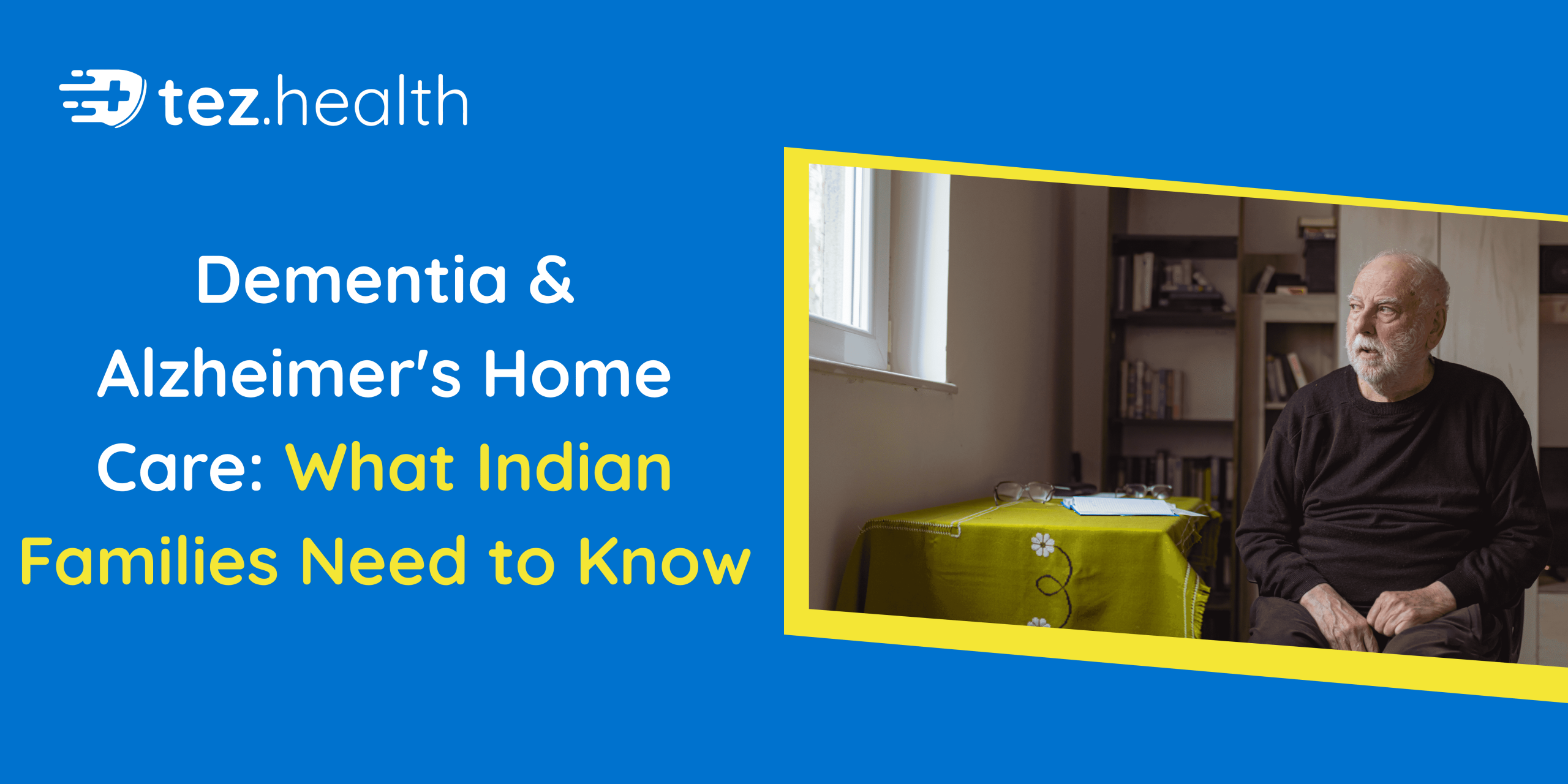
The Dementia & Alzheimer’s Home Care: What Indian Families Need to Know guide is created to help families understand, manage, and support loved ones living with memory-related conditions in a home environment. With increasing life expectancy and changing family structures, conditions like Dementia and Alzheimer’s disease are becoming more common in India, especially in urban centers like Bangalore. This comprehensive guide covers symptoms, caregiving strategies, daily routines, safety tips, and when to seek professional help.
Understanding Dementia and Alzheimer’s
What Is Dementia?
Dementia is not a single disease but a group of symptoms affecting memory, thinking, and social abilities severely enough to interfere with daily life.
What Is Alzheimer’s Disease?
Alzheimer’s is the most common type of dementia, characterized by progressive memory loss and cognitive decline.
Key Differences:
| Feature | Dementia | Alzheimer’s |
| Definition | General term | Specific disease |
| Cause | Multiple causes | Brain cell degeneration |
| Progression | Varies | Gradual and progressive |
Early Signs and Symptoms
Recognizing early signs helps in timely intervention.
Common Symptoms:
- Memory loss affecting daily life
- Difficulty completing familiar tasks
- Confusion about time or place
- Trouble finding words
- Mood and personality changes
- Poor judgment
Stages of Dementia
1. Early Stage
- Mild memory loss
- Difficulty with planning
2. Middle Stage
- Increased confusion
- Behavioral changes
- Need for assistance
3. Late Stage
- Severe memory loss
- Loss of independence
- Physical decline
Understanding stages helps caregivers plan better.
Challenges Faced by Indian Families
In India, caregiving often falls on family members.
Common Challenges:
- Lack of awareness
- Emotional stress
- Balancing work and caregiving
- Limited access to specialized care
In cities like Bangalore, nuclear families may find it especially challenging.
Creating a Safe Home Environment
Safety is a top priority for dementia patients.
Tips:
- Remove tripping hazards
- Install grab bars
- Use locks for dangerous areas
- Ensure proper lighting
- Label rooms and items
A safe environment reduces risks and anxiety.
Daily Care Routine
A structured routine helps reduce confusion.
Morning:
- Personal hygiene assistance
- Light exercise
- Healthy breakfast
Afternoon:
- Engaging activities
- Rest
Evening:
- Calm environment
- Medication reminders
Night:
- Comfortable sleep setup
Consistency is key.
Communication Tips for Caregivers
- Speak slowly and clearly
- Use simple sentences
- Maintain eye contact
- Be patient and calm
- Avoid arguing
Effective communication improves cooperation.
Managing Behavioral Changes
Patients may show:
- Agitation
- Aggression
- Wandering
- Repetitive behavior
How to Handle:
- Identify triggers
- Stay calm
- Redirect attention
- Maintain routine
Importance of Nutrition
Proper nutrition supports brain health.
Recommended:
- Fruits and vegetables
- Whole grains
- Healthy fats (nuts, seeds)
Avoid:
- Processed foods
- Excess sugar
Role of Physical Activity
Regular activity helps:
- Improve mood
- Maintain mobility
- Reduce restlessness
Activities:
- Walking
- Light stretching
- Simple exercises
Emotional Support for Patients
- Provide reassurance
- Encourage social interaction
- Engage in familiar activities
Emotional care is as important as physical care.
Caregiver Stress and Burnout
Caring for a dementia patient can be overwhelming.
Signs of Burnout:
- Fatigue
- Irritability
- Anxiety
- Sleep issues
Tips for Caregivers:
- Take breaks
- Seek support
- Share responsibilities
- Practice self-care
Caregiver well-being is essential.
When to Seek Medical Help
Consult a doctor if:
- Symptoms worsen rapidly
- Sudden behavioral changes occur
- There are signs of depression
- Patient becomes unsafe
Role of Home Healthcare Services
In cities like Bangalore, home healthcare services provide:
- Trained caregivers
- Nurse visits
- Medical monitoring
- Physiotherapy support
These services ease the burden on families.
Legal and Financial Planning
Families should consider:
- Medical decisions
- Financial management
- Legal guardianship
Early planning avoids complications later.
Common Mistakes to Avoid
- Ignoring early symptoms
- Arguing with the patient
- Lack of routine
- Neglecting caregiver health
- Delaying medical consultation
Avoiding these mistakes improves care quality.
Long-Term Care Planning
Dementia is progressive, so planning is essential.
Options:
- Home care
- Assisted living
- Specialized care centers
Choose based on patient needs.
Why Awareness Is Important
In urban India, including Bangalore, awareness helps:
- Early diagnosis
- Better care
- Reduced stigma
- Improved quality of life
Conclusion
The Dementia & Alzheimer’s Home Care: What Indian Families Need to Know guide emphasizes the importance of understanding, patience, and structured care. Managing dementia at home requires a combination of medical support, emotional care, and caregiver resilience. With access to home healthcare services in Bangalore, families can provide compassionate and effective care to their loved ones. Awareness and preparation are key to navigating this journey.
Frequently Asked Questions on Dementia & Alzheimer’s Home Care: What Indian Families Need to Know
1. What is dementia?
A condition affecting memory, thinking, and behavior.
2. Is Alzheimer’s the same as dementia?
No, Alzheimer’s is a type of dementia.
3. Can dementia be treated at home?
Yes, with proper care and support.
4. What are early signs?
Memory loss and confusion.
5. Is dementia curable?
No, but symptoms can be managed.
6. How can caregivers cope with stress?
By taking breaks and seeking support.
7. What diet is best?
Balanced diet with fruits, vegetables, and healthy fats.
8. When should I see a doctor?
If symptoms worsen or behavior changes.
9. Can patients live independently?
In early stages, with supervision.
10. Are home healthcare services helpful?
Yes, they provide professional support.
11. How to prevent wandering?
Ensure a safe and secure environment.
12. Is exercise important?
Yes, it improves overall well-being.