
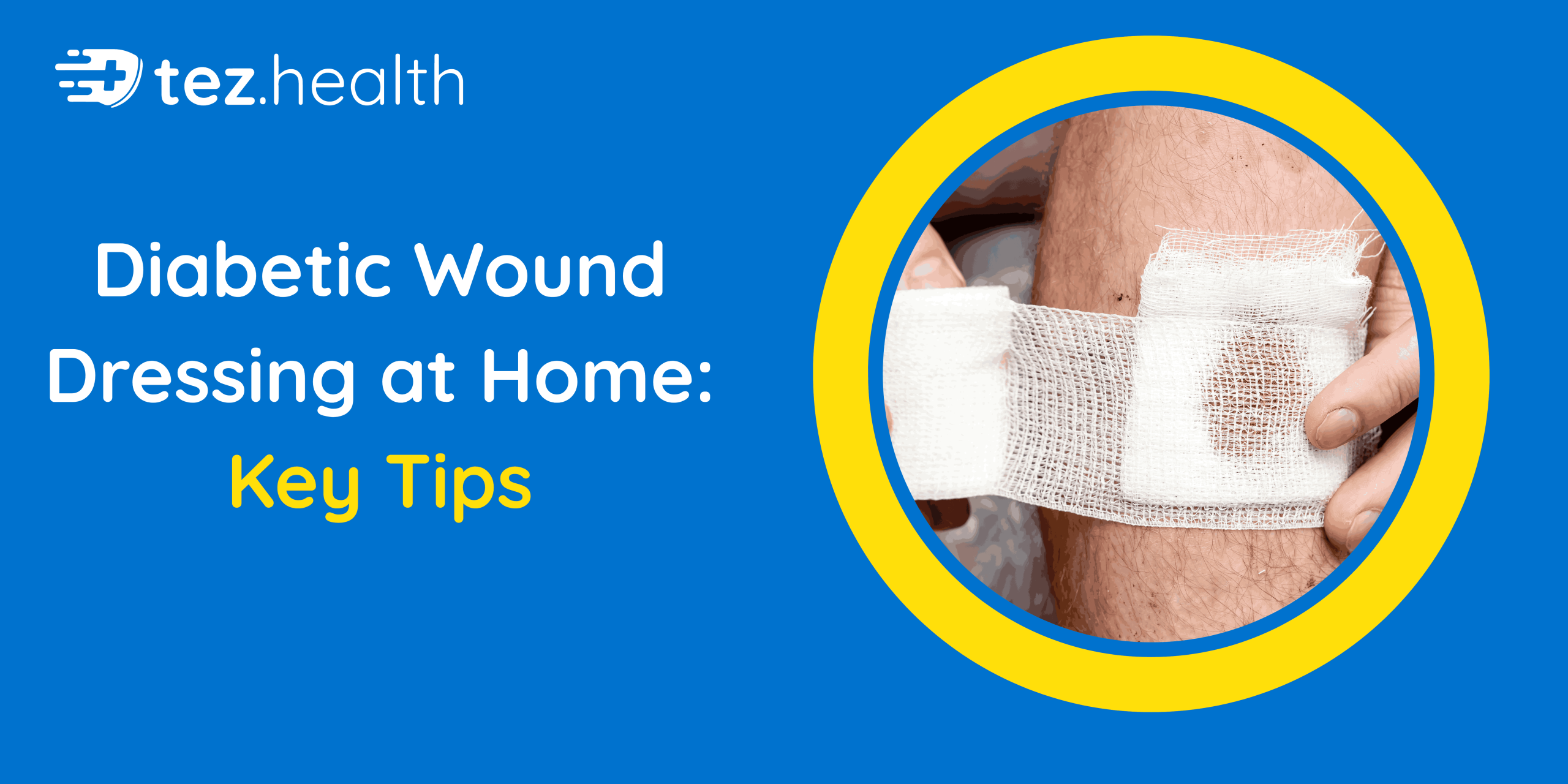
Diabetes affects millions of people worldwide and can lead to several health complications, including slow-healing wounds and ulcers. One of the most common issues faced by diabetic patients is diabetic foot wounds, which can become serious if not treated properly.
High blood sugar levels damage nerves and reduce blood circulation, making it difficult for wounds to heal. Even a small cut or blister can turn into a serious infection if proper care is not provided.
For many patients, diabetic wound dressing at home is an important part of treatment. Proper wound care helps prevent infection, speeds up healing, and reduces the risk of complications such as ulcers or amputations.
This comprehensive guide explains how diabetic wounds occur, the importance of proper dressing, key tips for home wound care, and when professional medical care is necessary.
Understanding Diabetic Wounds
A diabetic wound is an open sore or injury that heals slowly due to high blood sugar levels. These wounds commonly occur on the feet, legs, or pressure points of the body.
Diabetes can cause two major issues that lead to wounds.
Poor Blood Circulation
High blood sugar damages blood vessels, reducing blood flow to tissues. As a result, oxygen and nutrients required for healing do not reach the wound effectively.
Nerve Damage (Neuropathy)
Diabetic neuropathy reduces sensation in the feet and limbs. Patients may not feel pain from small injuries, allowing wounds to worsen unnoticed.
Because of these factors, diabetic wounds require careful monitoring and proper dressing.
Common Types of Diabetic Wounds
Several types of wounds are commonly seen in diabetic patients.
Diabetic Foot Ulcers
These are open sores that usually develop on the bottom of the feet due to pressure or injury.
Pressure Ulcers
Bedridden diabetic patients may develop pressure sores due to prolonged pressure on certain areas of the body.
Surgical Wounds
Patients with diabetes may experience delayed healing after surgery.
Minor Cuts and Blisters
Even small cuts can develop into infections if not treated promptly.
Importance of Proper Wound Dressing
Wound dressing is an essential part of diabetic wound care. Proper dressing helps:
- Protect the wound from infection
- Absorb excess fluid
- Maintain a moist healing environment
- Reduce pain and irritation
- Promote faster tissue repair
Without proper dressing, diabetic wounds can worsen and lead to severe complications.
Steps for Diabetic Wound Dressing at Home
Proper wound care at home should follow a safe and hygienic process.
Step 1: Wash Hands Thoroughly
Always wash hands with soap and water before touching the wound to prevent infection.
Step 2: Clean the Wound
Gently clean the wound using saline solution or doctor-recommended antiseptic.
Avoid using harsh chemicals like alcohol or hydrogen peroxide unless advised by a healthcare professional.
Step 3: Remove Dead Tissue if Necessary
In some cases, doctors may recommend removing dead tissue (debridement) to promote healing.
This step should only be performed by trained professionals.
Step 4: Apply Medication
Apply prescribed antibiotic ointments or wound-healing medications.
Step 5: Cover with Sterile Dressing
Use sterile gauze or wound dressing materials to cover the wound.
Ensure the dressing is not too tight, allowing proper airflow.
Step 6: Secure the Dressing
Use medical tape or bandages to keep the dressing in place.
Step 7: Change Dressing Regularly
Dressings should be changed daily or as recommended by the healthcare provider.
Key Tips for Diabetic Wound Care at Home
Proper wound care requires attention to several important factors.
Maintain Blood Sugar Control
Managing blood sugar levels is one of the most important steps in wound healing.
High glucose levels slow down the body’s ability to fight infection and repair tissues.
Inspect Feet and Skin Daily
Diabetic patients should check their feet and skin every day for:
- Cuts
- Blisters
- Swelling
- Redness
Early detection helps prevent serious complications.
Keep the Wound Clean and Dry
Moisture control is important to prevent bacterial growth.
Ensure the dressing is clean and replaced when necessary.
Avoid Walking Barefoot
Walking barefoot increases the risk of cuts and injuries.
Always wear comfortable, protective footwear.
Follow Doctor’s Instructions
Never ignore medical advice regarding wound care or medication.
Regular follow-ups help monitor healing progress.
Signs of Infection in Diabetic Wounds
Diabetic wounds are highly susceptible to infection.
Watch for warning signs such as:
- Increased redness
- Swelling around the wound
- Pus or discharge
- Foul odor
- Fever
- Increased pain
- Skin warmth around the wound
If any of these symptoms appear, immediate medical attention is necessary.
Advanced Wound Dressing Methods
In some cases, doctors may recommend advanced wound care techniques.
Hydrogel Dressings
These dressings maintain moisture and support faster healing.
Foam Dressings
Foam dressings absorb excess fluid and protect wounds from infection.
Antimicrobial Dressings
These contain substances that prevent bacterial growth.
Negative Pressure Wound Therapy
This advanced treatment uses suction to remove fluid and promote healing.
Such treatments are usually performed under medical supervision.
Role of Nutrition in Diabetic Wound Healing
Proper nutrition plays an essential role in wound recovery.
Certain nutrients support tissue repair and immune function.
Important nutrients include:
Protein
Protein helps rebuild damaged tissues.
Sources include eggs, lean meat, dairy products, and legumes.
Vitamin C
Vitamin C supports collagen formation and immune health.
Found in citrus fruits, berries, and vegetables.
Zinc
Zinc supports wound healing and immune response.
Sources include nuts, seeds, and whole grains.
Iron
Iron helps transport oxygen to healing tissues.
Maintaining a balanced diet significantly improves wound recovery.
When to Seek Medical Help
Some wounds require professional medical care.
Consult a doctor if:
- The wound does not heal within two weeks
- Signs of infection appear
- The wound becomes larger or deeper
- There is severe pain or swelling
- Black or dead tissue appears around the wound
Early treatment can prevent complications such as diabetic foot ulcers or amputation.
Benefits of Professional Diabetic Wound Dressing at Home
Professional home healthcare services can greatly improve diabetic wound care.
Benefits include:
Expert Medical Care
Trained nurses provide proper wound cleaning and dressing.
Infection Prevention
Healthcare professionals use sterile techniques to reduce infection risk.
Faster Healing
Regular monitoring ensures the wound heals properly.
Patient Comfort
Home care allows patients to receive treatment without hospital visits.
Professional wound care services are especially beneficial for elderly or bedridden diabetic patients.
Preventing Diabetic Wounds
Prevention is always better than treatment.
Patients with diabetes should follow these preventive measures.
- Maintain controlled blood sugar levels
- Wear comfortable footwear
- Keep feet clean and dry
- Trim nails carefully
- Avoid tight shoes
- Stay physically active
- Attend regular medical checkups
These steps help reduce the risk of developing diabetic wounds.
Conclusion
Diabetic wounds require special care because they heal more slowly and are prone to infection. Proper wound dressing at home is essential for preventing complications and promoting faster recovery.
By maintaining good hygiene, controlling blood sugar levels, monitoring wounds regularly, and following medical advice, diabetic patients can effectively manage wound care at home.
However, serious or non-healing wounds should always be treated by healthcare professionals. Professional home wound dressing services provide expert care, helping patients heal safely while reducing the risk of severe complications.
Early treatment, proper dressing, and consistent monitoring are the key factors in successful diabetic wound management.
FAQs on Diabetic wound dressing at home
1. What is a diabetic wound?
A diabetic wound is a slow-healing injury that occurs due to poor circulation and nerve damage caused by diabetes.
2. Why do diabetic wounds heal slowly?
High blood sugar damages blood vessels and nerves, reducing blood flow and slowing the body’s natural healing process.
3. How often should diabetic wound dressings be changed?
Dressings are usually changed daily or according to the healthcare provider’s instructions.
4. Can diabetic wounds be treated at home?
Yes, minor wounds can be treated at home with proper cleaning, dressing, and medical guidance.
5. What are signs of infection in diabetic wounds?
Signs include redness, swelling, pus, foul odor, fever, and increased pain.
6. Should diabetic patients walk barefoot?
No, walking barefoot increases the risk of cuts and injuries.
7. What foods help diabetic wound healing?
Foods rich in protein, vitamin C, zinc, and iron help support wound healing.
8. When should I see a doctor for a diabetic wound?
Consult a doctor if the wound does not heal within two weeks or shows signs of infection.
9. Can high blood sugar affect wound healing?
Yes, uncontrolled blood sugar significantly slows down wound healing.
10. Is professional wound dressing at home beneficial?
Yes, trained healthcare professionals ensure proper wound care and reduce infection risk.