


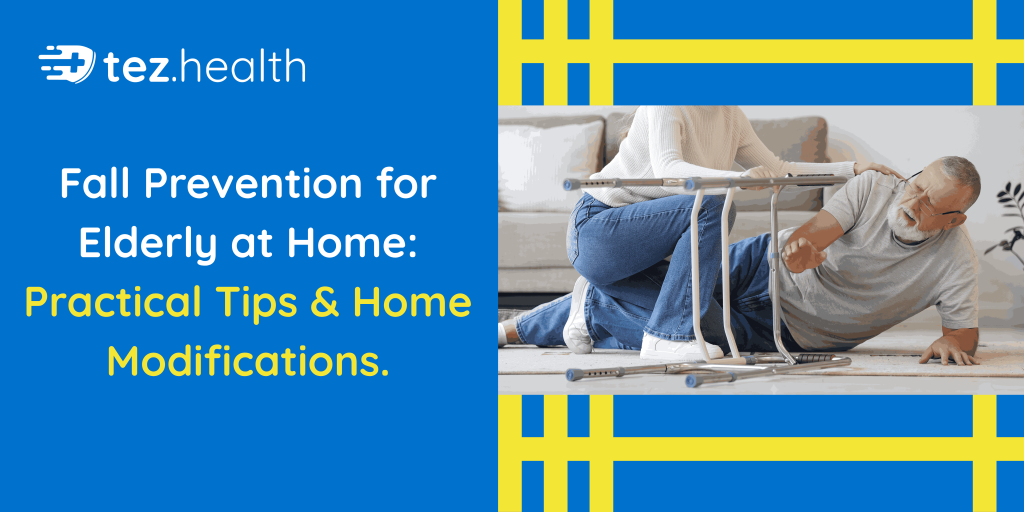
The Fall Prevention for Elderly at Home: Practical Tips & Home Modifications guide is designed to help families protect their aging loved ones from one of the most common and serious risks—falls. As people age, changes in balance, muscle strength, vision, and medical conditions increase the likelihood of falls, which can lead to fractures, hospitalizations, and long-term complications. In urban environments like Bangalore, where elderly individuals may live independently or spend time alone, proactive fall prevention at home becomes essential for safety and peace of mind.
Why Fall Prevention Is Important for the Elderly
Falls are one of the leading causes of injury among older adults.
Risks Associated with Falls:
- Fractures (especially hip fractures)
- Head injuries
- Reduced mobility
- Loss of independence
- Increased fear of falling
Preventing falls helps maintain confidence, mobility, and overall quality of life.
Common Causes of Falls in the Elderly
Understanding causes helps in prevention.
1. Physical Factors
- Muscle weakness
- Poor balance
- Joint problems like Arthritis
2. Medical Conditions
- Diabetes
- Hypertension
- Vision problems
- Neurological disorders
3. Medication Side Effects
- Dizziness
- Drowsiness
- Low blood pressure
4. Environmental Hazards
- Slippery floors
- Poor lighting
- Cluttered spaces
Warning Signs of Fall Risk
Recognizing early warning signs can prevent accidents.
- Frequent tripping or stumbling
- Difficulty getting up from chairs
- Unsteady walking
- Fear of falling
- Recent history of falls
If these signs are present, immediate preventive steps are needed.
Practical Tips to Prevent Falls at Home
1. Improve Home Lighting
Good lighting reduces the risk of accidents.
Tips:
- Use bright, glare-free lights
- Install night lights in hallways and bathrooms
- Ensure switches are easily accessible
2. Remove Clutter and Obstacles
- Keep walkways clear
- Remove loose wires and rugs
- Arrange furniture for easy movement
3. Use Non-Slip Surfaces
- Install anti-slip mats in bathrooms and kitchens
- Use non-slip footwear
- Avoid wet floors
4. Install Grab Bars and Handrails
- Near toilets and showers
- Along staircases
- In hallways if needed
5. Choose Safe Furniture
- Use chairs with armrests
- Avoid low or unstable seating
- Ensure bed height is appropriate
6. Keep Essentials Within Reach
- Avoid climbing or bending frequently
- Store frequently used items at waist level
7. Encourage Proper Footwear
- Non-slip shoes
- Avoid loose slippers
Home Modifications for Fall Prevention
Bathroom Safety Modifications
Bathrooms are high-risk areas.
Changes to Consider:
- Grab bars
- Raised toilet seats
- Anti-slip tiles
- Shower chairs
Bedroom Safety Improvements
- Bedside lighting
- Easy access to essentials
- Clear pathways
Staircase Safety
- Install handrails on both sides
- Add anti-slip strips
- Ensure proper lighting
Kitchen Safety Adjustments
- Keep items within reach
- Avoid heavy lifting
- Ensure proper lighting
Role of Exercise in Fall Prevention
Physical activity improves strength and balance.
Recommended Exercises:
- Walking
- Balance exercises
- Strength training
- Stretching
Regular exercise reduces fall risk significantly.
Importance of Vision and Hearing Checks
Poor vision and hearing can increase fall risk.
Tips:
- Regular eye checkups
- Use proper eyewear
- Address hearing issues
Medication Review
Certain medications can increase fall risk.
What to Do:
- Review medications with a doctor
- Avoid self-medication
- Monitor side effects
Role of Nutrition in Fall Prevention
Good nutrition supports muscle strength and bone health.
Include:
- Calcium-rich foods
- Vitamin D
- Protein
Balanced nutrition helps maintain stability.
Assistive Devices for Safety
Common Devices:
- Walking sticks
- Walkers
- Wheelchairs
These provide support and reduce risk.
Role of Home Healthcare Services
In Bangalore, home healthcare services offer:
- Physiotherapy
- Mobility training
- Safety assessments
- Nursing care
Professional support enhances fall prevention.
Daily Routine for Fall Prevention
Morning:
- Light exercise
- Check surroundings
Afternoon:
- Stay active
- Hydration
Evening:
- Ensure lighting
- Avoid clutter
Night:
- Use night lights
- Keep essentials nearby
Tips for Caregivers
- Monitor mobility
- Encourage safe habits
- Assist with exercises
- Ensure home safety
Caregiver involvement is essential.
Common Mistakes to Avoid
- Ignoring minor falls
- Delaying home modifications
- Wearing unsafe footwear
- Skipping exercise
- Not reviewing medications
Avoiding these mistakes improves safety.
Emotional Impact of Falls
Fear of falling can lead to:
- Reduced activity
- Social isolation
- Loss of confidence
Providing reassurance and support is important.
Why Fall Prevention Matters in Urban India
In cities like Bangalore:
- Elderly may live alone
- Apartments may have safety challenges
- Busy lifestyles limit supervision
Fall prevention ensures independence and safety.
Long-Term Fall Prevention Strategies
- Regular health checkups
- Continuous home assessment
- Ongoing physiotherapy
- Lifestyle adjustments
Conclusion
The Fall Prevention for Elderly at Home: Practical Tips & Home Modifications guide highlights the importance of proactive measures to ensure safety and independence for elderly individuals. By combining home modifications, physical activity, proper nutrition, and professional support, families can significantly reduce the risk of falls. In Bangalore, where urban living presents unique challenges, creating a safe home environment is essential for aging comfortably and confidently.
Frequently Asked Questions on Fall Prevention for Elderly at Home: Practical Tips & Home Modifications
1. Why are falls common in elderly?
Due to reduced strength, balance, and health conditions.
2. How can falls be prevented at home?
By removing hazards and making safety modifications.
3. What are the main risk factors?
Poor balance, medications, and unsafe environments.
4. Are grab bars necessary?
Yes, especially in bathrooms and staircases.
5. Can exercise help prevent falls?
Yes, it improves strength and balance.
6. What type of footwear is best?
Non-slip, well-fitting shoes.
7. Should medications be reviewed?
Yes, to avoid side effects like dizziness.
8. How important is lighting?
Very important to prevent accidents.
9. Can diet help prevent falls?
Yes, it strengthens bones and muscles.
10. Are assistive devices useful?
Yes, they provide support and stability.
11. Should elderly live alone?
With proper safety measures, it is possible.
12. Are home healthcare services helpful?
Yes, they provide professional support.