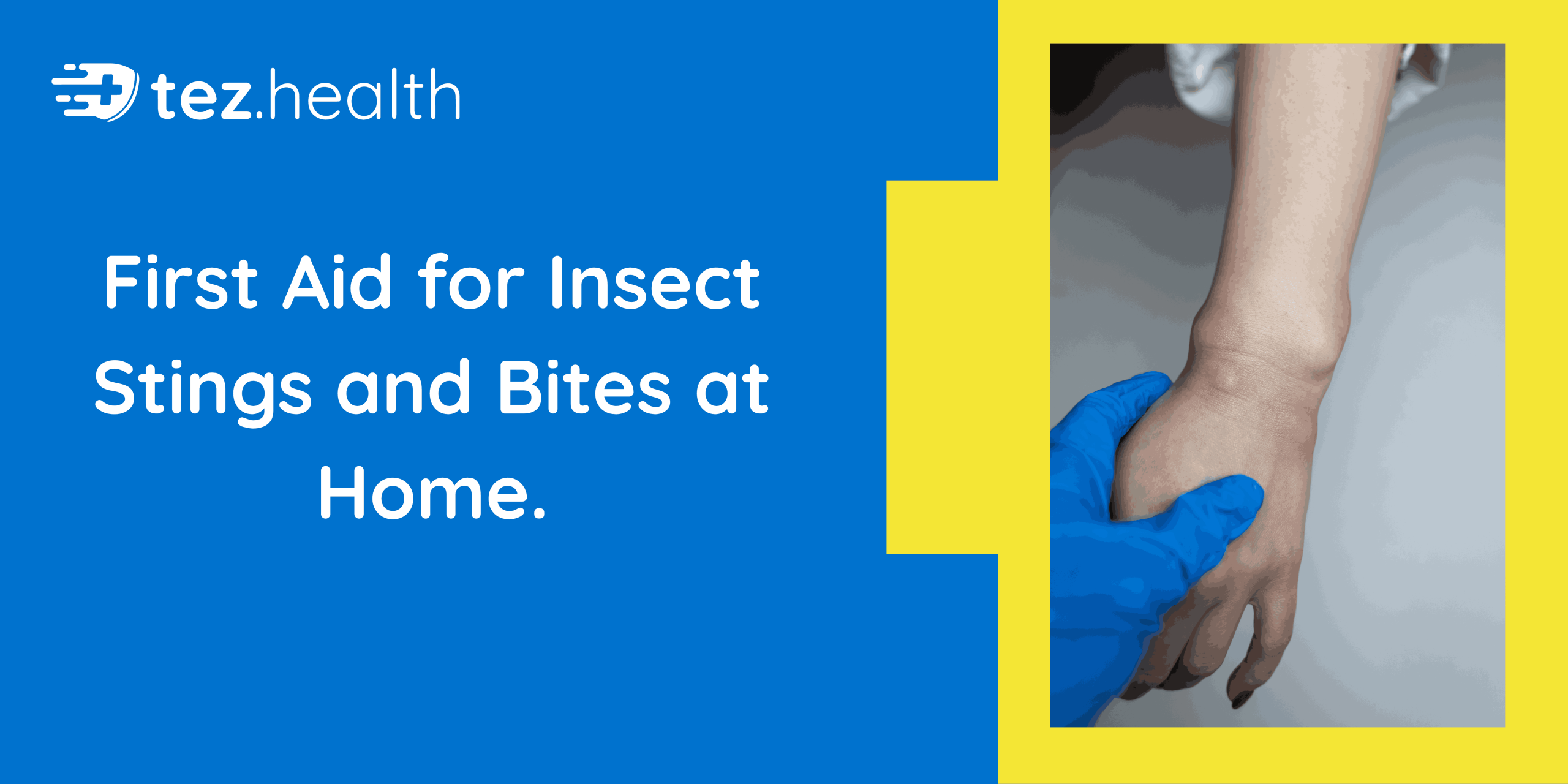
Insect stings and bites are common, especially in warm climates and outdoor environments. While most are harmless and cause only mild irritation, some can lead to severe allergic reactions or infections if not treated properly.
Therefore, knowing how to manage insect stings and bites at home is essential. Quick and correct first aid can reduce pain, swelling, and the risk of complications. Moreover, early care can prevent minor issues from becoming serious health concerns.
This comprehensive guide explains types of insect bites, symptoms, step-by-step first aid, home remedies, warning signs, and when to seek medical help.
Understanding Insect Stings vs Bites
Although often used interchangeably, stings and bites are different.
- Stings occur when insects inject venom (e.g., bees, wasps)
- Bites occur when insects pierce the skin to feed (e.g., mosquitoes, bedbugs)
Understanding this difference helps in applying the right treatment.
Common Insects That Cause Stings and Bites
Stinging Insects
- Bees
- Wasps
- Hornets
These insects inject venom, which can cause pain and swelling.
Biting Insects
- Mosquitoes
- Fleas
- Bedbugs
- Ants
Bites usually cause itching, redness, and mild swelling.
Common Symptoms of Insect Stings and Bites
Most reactions are mild and include:
- Redness
- Swelling
- Pain or burning sensation
- Itching
However, reactions can vary depending on the insect and individual sensitivity.
Step-by-Step First Aid for Insect Stings
1. Remove the Stinger (If Present)
If a bee stings, the stinger may remain in the skin.
- Remove it as quickly as possible
- Use a flat object (like a card) to scrape it out
- Avoid squeezing, as it may release more venom
2. Clean the Area
Wash the affected area with soap and water.
This helps prevent infection.
3. Apply Cold Compress
Use an ice pack wrapped in cloth for 10–15 minutes.
This reduces swelling and pain.
4. Elevate the Area
If the sting is on a limb, elevate it to reduce swelling.
5. Use Anti-Itch or Pain Relief
- Apply calamine lotion or mild antihistamine cream
- Take oral antihistamines if needed
Step-by-Step First Aid for Insect Bites
1. Wash the Area
Clean the bite with soap and water.
2. Avoid Scratching
Scratching can lead to infection.
3. Apply Cold Compress
This reduces itching and swelling.
4. Use Soothing Creams
Apply anti-itch creams or natural soothing agents.
Home Remedies for Relief
Aloe Vera
Soothes skin and reduces inflammation.
Honey
Has natural antibacterial properties.
Baking Soda Paste
Helps relieve itching.
Ice Packs
Provide immediate relief from swelling.
Oatmeal Paste
Calms irritated skin.
Managing Swelling and Pain
Mild Reactions
- Swelling remains localized
- Pain reduces within hours
Moderate Reactions
- Swelling spreads beyond the sting area
- Pain and redness persist longer
These can still be managed at home with proper care.
Allergic Reactions: What to Watch For
Some individuals may experience severe allergic reactions, also known as anaphylaxis.
Symptoms of Severe Reaction
- Difficulty breathing
- Swelling of face, lips, or throat
- Rapid heartbeat
- Dizziness or fainting
- Hives across the body
What to Do Immediately
- Seek emergency medical help
- Use an epinephrine injection if available
This is a medical emergency and requires immediate attention.
When to Seek Medical Help
Although most insect stings and bites are harmless, medical care is needed if:
- Symptoms worsen over time
- There are signs of infection
- Swelling becomes severe
- The sting is inside the mouth or throat
- There are signs of allergic reaction
Timely intervention can prevent complications.
Signs of Infection
Infections can develop if bites are scratched or not cleaned properly.
Watch for:
- Increasing redness
- Warmth around the area
- Pus or discharge
- Fever
Special Care for Children and Elderly
Children may scratch bites excessively, increasing infection risk. Elderly individuals may have slower healing.
Therefore, extra monitoring is important for these groups.
Preventing Insect Stings and Bites
Use Protective Clothing
Wear long sleeves and pants in insect-prone areas.
Apply Insect Repellent
Use safe repellents when outdoors.
Avoid Strong Fragrances
Perfumes may attract insects.
Keep Surroundings Clean
Standing water and waste attract insects.
Use Mosquito Nets
Especially important in areas with high mosquito activity.
Myths and Facts
Myth: Scratching Helps Heal
Fact: Scratching worsens the condition and increases infection risk.
Myth: All Stings Are Dangerous
Fact: Most are harmless and manageable at home.
Myth: Toothpaste Helps All Bites
Fact: It may irritate the skin in some cases.
Healing Time
- Mild bites: 1–3 days
- Moderate reactions: up to 7 days
- Stings: swelling may last 2–3 days
Proper care speeds up healing.
Role of Home Healthcare Services
For individuals with allergies or recurring reactions, home healthcare services can provide:
- Monitoring
- Medication support
- Emergency care guidance
This ensures safety, especially for high-risk patients.
Conclusion
Insect stings and bites are common but manageable with proper care. Most cases can be treated safely at home using simple first aid steps such as cleaning, applying cold compresses, and using soothing remedies.
However, it is important to stay alert for signs of severe allergic reactions or infection. Quick action can prevent complications and ensure faster recovery.
By understanding the right techniques and preventive measures, you can confidently manage insect stings and bites and protect your family’s health.
FAQs on first aid for insect stings and bites at home
1. What is the first aid for insect stings at home?
Remove the stinger, clean the area, apply ice, and use anti-itch creams.
2. How do you treat insect bites naturally?
Use aloe vera, honey, baking soda paste, or ice for relief.
3. When should I worry about an insect bite?
If there is severe swelling, breathing difficulty, or signs of infection.
4. Can insect bites cause infections?
Yes, especially if scratched or not cleaned properly.
5. How long do insect bites take to heal?
Most heal within a few days to a week.
6. What helps reduce itching from bites?
Cold compresses, calamine lotion, and antihistamines help reduce itching.
7. Is swelling normal after a sting?
Yes, mild swelling is common, but severe swelling needs medical attention.
8. Can children be treated at home for insect bites?
Yes, but they should be monitored to prevent scratching and infection.
9. Are all insect stings dangerous?
No, most are mild and manageable, but allergic reactions can be serious.
10. How can I prevent insect bites at home?
Use repellents, wear protective clothing, and maintain clean surroundings.