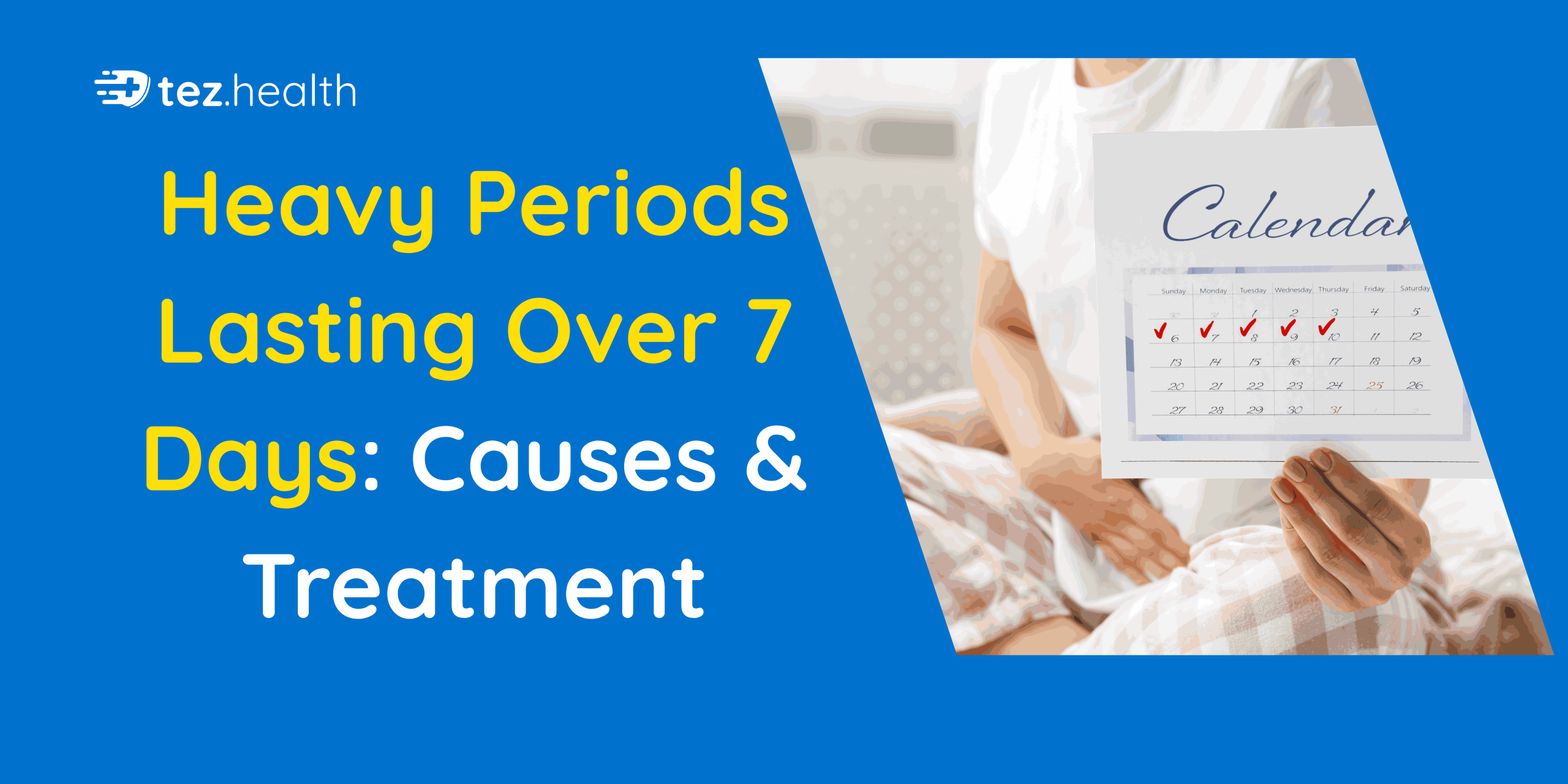
Menstrual periods are a natural part of a woman’s reproductive health. While the flow and duration of periods may vary slightly from person to person, periods that are excessively heavy or last longer than 7 days may indicate an underlying health issue that should not be ignored.
Many women assume that heavy bleeding is normal because they have experienced it for years. However, prolonged or excessive menstrual bleeding can affect daily life, cause weakness, anemia, emotional stress, and reduce overall quality of life.
Heavy periods may interfere with:
- Work or school
- Sleep
- Physical activity
- Social life
- Emotional well-being
In medical terms, unusually heavy or prolonged menstrual bleeding is called menorrhagia.
Women with heavy periods may experience:
- Soaking pads or tampons frequently
- Passing large blood clots
- Bleeding longer than a week
- Fatigue or dizziness
Heavy periods can happen due to hormonal imbalance, uterine conditions, medical disorders, or lifestyle-related factors. Early diagnosis is important because untreated heavy bleeding may sometimes lead to complications such as severe anemia or fertility problems.
In this guide, we will explain the common causes of heavy periods lasting more than 7 days, associated symptoms, treatment options, and when medical attention becomes important.
What is Considered a Heavy Period?
A normal menstrual period usually:
- Lasts 3 to 7 days
- Occurs every 21 to 35 days
- Has manageable blood flow
A period may be considered heavy if:
- Bleeding lasts longer than 7 days
- Pads or tampons need changing every 1–2 hours
- Large blood clots are passed
- Daily activities become difficult
- There is significant fatigue or weakness
Heavy menstrual bleeding can vary in severity.
Common Symptoms of Heavy Periods
Women experiencing heavy periods may notice:
- Bleeding lasting more than 7 days
- Passing large clots
- Severe menstrual cramps
- Fatigue
- Weakness
- Dizziness
- Shortness of breath
- Frequent nighttime pad changes
Some women may also develop symptoms of anemia due to blood loss.
What Causes Heavy Periods?
Heavy periods can occur due to several medical and hormonal factors.
1. Hormonal Imbalance
Hormones regulate the menstrual cycle.
An imbalance in hormones such as estrogen and progesterone may cause:
- Thickening of the uterine lining
- Excessive bleeding
- Irregular periods
Hormonal imbalance is common during:
- Teenage years
- Perimenopause
- PCOS
2. Polycystic Ovary Syndrome (PCOS)
PCOS can cause:
- Irregular ovulation
- Missed periods
- Heavy bleeding episodes
Women with PCOS often experience hormonal imbalance that affects menstrual flow.
3. Uterine Fibroids
Fibroids are non-cancerous growths in the uterus.
They may cause:
- Heavy menstrual bleeding
- Pelvic pressure
- Long-lasting periods
- Painful cramps
Fibroids are a very common cause of heavy periods.
4. Adenomyosis
Adenomyosis occurs when the uterine lining grows into the muscular wall of the uterus.
This may lead to:
- Heavy bleeding
- Painful periods
- Pelvic discomfort
It is more common in women over 30.
5. Endometriosis
Endometriosis is a condition where tissue similar to the uterine lining grows outside the uterus.
Symptoms may include:
- Heavy bleeding
- Severe cramps
- Pelvic pain
- Pain during intercourse
6. Thyroid Disorders
Both underactive and overactive thyroid conditions may affect menstrual cycles and bleeding patterns.
Hormonal imbalance caused by thyroid disease may lead to:
- Heavy periods
- Irregular cycles
- Fatigue
7. Bleeding Disorders
Some women naturally have blood clotting problems that cause excessive menstrual bleeding.
Conditions affecting clotting may result in:
- Prolonged periods
- Easy bruising
- Excess bleeding after injuries
8. Certain Medications
Some medications may increase menstrual bleeding.
Examples include:
- Blood thinners
- Hormonal medications
- Certain contraceptives
Medication-related changes should be discussed with a doctor.
9. Copper Intrauterine Device (IUD)
Copper IUDs may sometimes increase menstrual bleeding and cramps, especially during the first few months.
10. Pregnancy-Related Complications
Heavy bleeding during pregnancy is not considered normal and may require immediate medical attention.
Possible causes include:
- Miscarriage
- Ectopic pregnancy
- Placental problems
Why Heavy Periods Should Not Be Ignored
Persistent heavy bleeding can lead to several health complications.
Iron Deficiency Anemia
Excess blood loss may reduce iron levels in the body.
Symptoms include:
- Fatigue
- Weakness
- Pale skin
- Dizziness
- Shortness of breath
Anemia is one of the most common complications of heavy periods.
Emotional and Physical Exhaustion
Constant bleeding may affect:
- Sleep quality
- Emotional health
- Daily productivity
Many women feel physically drained during prolonged periods.
Fertility Concerns
Certain underlying causes of heavy periods, such as fibroids or endometriosis, may affect fertility.
Early diagnosis is important for reproductive health.
When Should You See a Doctor?
You should consult a doctor if:
- Periods last more than 7 days regularly
- Bleeding is extremely heavy
- Large clots are passed frequently
- Severe pain occurs
- Dizziness or weakness develops
- You experience fatigue or anemia symptoms
- Bleeding occurs between periods
Medical evaluation helps identify the underlying cause.
How Doctors Diagnose Heavy Periods
Doctors may ask about:
- Menstrual history
- Bleeding pattern
- Pain symptoms
- Medical history
- Pregnancy history
Tests may include:
- Blood tests
- Iron level testing
- Hormone tests
- Ultrasound scan
- Pelvic examination
Diagnosis focuses on identifying the cause of abnormal bleeding.
Treatment Options for Heavy Periods
Treatment depends on:
- Age
- Cause
- Severity
- Fertility goals
- Overall health
1. Iron Supplements
Women with anemia may require iron supplementation to improve energy and blood levels.
2. Hormonal Treatment
Hormonal medications may help:
- Regulate periods
- Reduce bleeding
- Correct hormonal imbalance
These treatments should be medically supervised.
3. Pain Relief Medications
Doctors may prescribe medications to help reduce:
- Menstrual cramps
- Inflammation
- Heavy bleeding
4. Treatment for Underlying Conditions
Conditions such as:
- Fibroids
- Thyroid disorders
- PCOS
- Endometriosis
may require specific treatment plans.
5. Surgical Procedures
In severe cases, procedures may be needed to treat:
- Large fibroids
- Adenomyosis
- Persistent abnormal bleeding
Treatment decisions depend on individual health needs.
Home Care Tips for Managing Heavy Periods
Maintain Iron-Rich Diet
Foods rich in iron include:
- Green leafy vegetables
- Beans
- Lentils
- Eggs
- Lean meats
Stay Hydrated
Proper hydration supports circulation and energy levels.
Track Menstrual Cycles
Keeping track of:
- Bleeding duration
- Flow intensity
- Clotting
- Pain
can help doctors assess symptoms better.
Get Adequate Rest
Heavy bleeding can increase physical exhaustion, making rest important.
Avoid Self-Medication
Do not take hormonal medicines without medical advice.
Heavy Periods in Teenagers
Teenagers may experience irregular or heavy periods during the first few years after menstruation begins due to hormonal adjustment.
However, persistent excessive bleeding should still be evaluated.
Heavy Periods During Perimenopause
Women approaching menopause may experience:
- Irregular cycles
- Heavy bleeding
- Hormonal fluctuations
Medical evaluation is important to rule out serious conditions.
Can Stress Affect Menstrual Bleeding?
Yes, stress can affect hormone levels and menstrual patterns.
Chronic stress may contribute to:
- Irregular periods
- Delayed periods
- Heavy bleeding
Emotional health plays an important role in reproductive health.
Importance of Early Diagnosis
Ignoring prolonged heavy bleeding may delay treatment of underlying conditions.
Early medical care can:
- Prevent anemia
- Improve quality of life
- Protect fertility
- Identify serious health conditions early
Heavy periods are treatable, and many women improve significantly with proper care.
Frequently Asked Questions (FAQ’s) on Heavy Periods Lasting Over 7 Days: Causes & Treatment
1. What is considered a heavy period?
A period lasting more than 7 days or involving excessive bleeding may be considered heavy.
2. Can hormonal imbalance cause heavy periods?
Yes, hormonal imbalance is one of the most common causes of heavy menstrual bleeding.
3. Can PCOS cause heavy bleeding?
Yes, PCOS can lead to irregular ovulation and heavy menstrual periods.
4. Do fibroids cause heavy periods?
Yes, uterine fibroids commonly cause prolonged and heavy menstrual bleeding.
5. Can heavy periods cause anemia?
Yes, excessive blood loss can lead to iron deficiency anemia.
6. When should I see a doctor for heavy periods?
Consult a doctor if bleeding lasts over 7 days, causes weakness, or affects daily life.
7. Can stress affect menstrual bleeding?
Yes, stress may affect hormone levels and menstrual cycles.
8. Are heavy periods common during menopause transition?
Yes, hormonal changes during perimenopause can cause heavy bleeding.
9. How are heavy periods diagnosed?
Doctors use medical history, blood tests, ultrasound, and hormonal evaluation.
10. Can heavy periods be treated?
Yes, treatment depends on the cause and may include medications, hormonal therapy, or procedures.