As our parents and grandparents age, their healthcare needs change — and so do family responsibilities. Frequent hospital visits, long waiting hours, and unfamiliar environments can become stressful for elderly individuals. This is why home healthcare for the elderly is increasingly becoming the preferred and doctor‑recommended choice for families.
But an important question remains:
What should families really know before choosing home healthcare for their elderly loved ones?
This comprehensive guide explains everything families need to understand — from services offered and safety aspects to benefits, common concerns, and how providers like Tez Health support elderly care at home with compassion and clinical expertise.
What Is Home Healthcare for the Elderly?
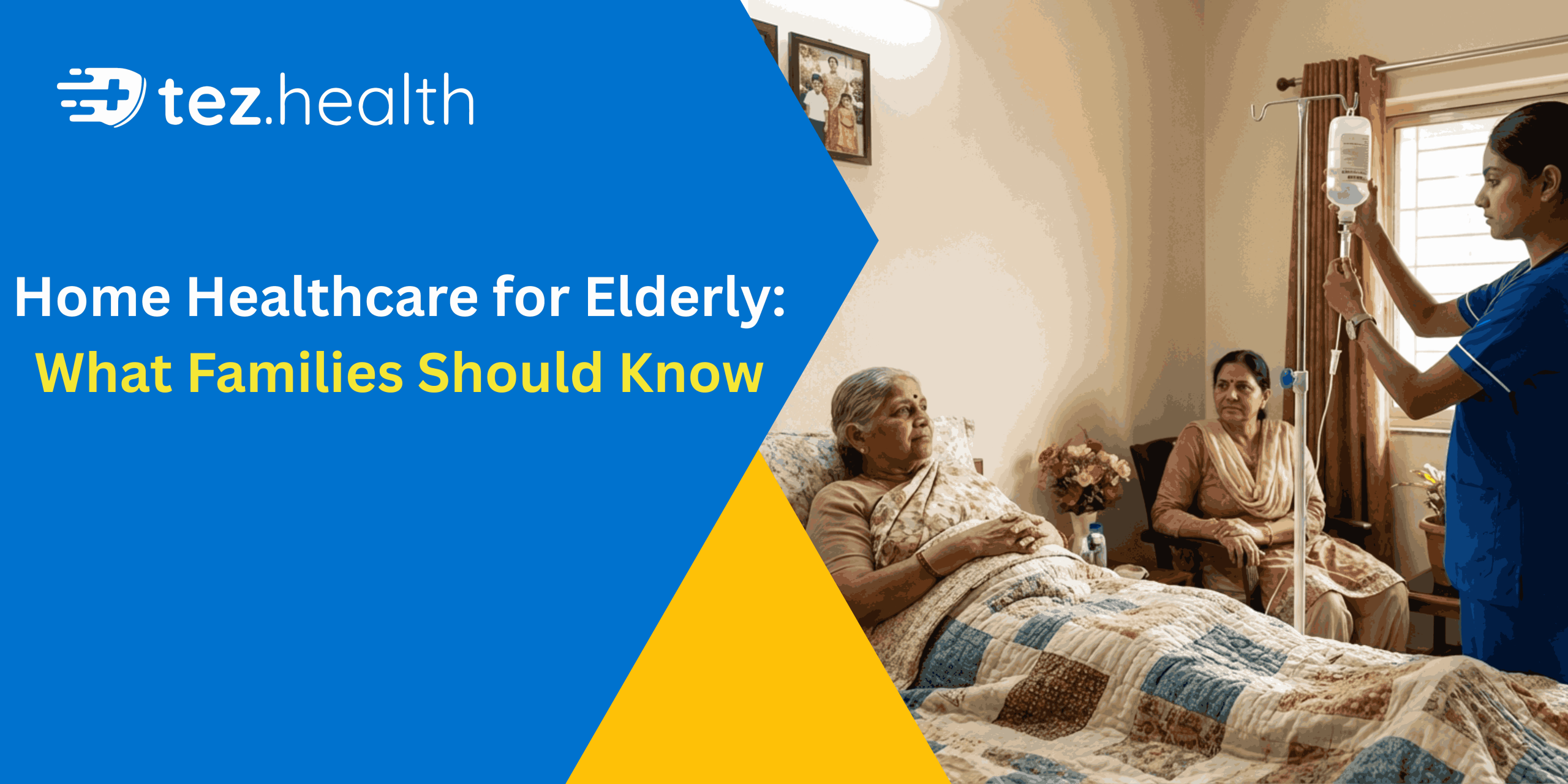
Home healthcare for the elderly refers to medical and supportive healthcare services delivered at home instead of hospitals or clinics. These services are provided by trained nurses, caregivers, and healthcare professionals based on the patient’s medical condition and daily needs.
The goal is to ensure medical safety, comfort, dignity, and continuity of care within a familiar environment.
Why Elderly Patients Benefit More From Care at Home
From a medical and emotional perspective, elderly individuals often respond better to home‑based care.
Familiar Environment Reduces Stress
Being at home lowers anxiety, confusion, and emotional distress — especially for seniors with memory issues or chronic illnesses.
Lower Risk of Hospital‑Acquired Infections
Hospitals expose elderly patients to higher infection risks. Home care significantly reduces this exposure.
Personalized One‑to‑One Attention
Unlike hospital settings, home healthcare offers individualized attention tailored to the patient’s condition.
Better Recovery and Compliance
Patients tend to follow medications, diet, and therapy routines more consistently at home.
Common Home Healthcare Services for the Elderly
Home healthcare is not limited to basic assistance. It includes a wide range of medical and supportive services.
Nursing Care at Home
- Vital signs monitoring
- Medication administration
- Injection services
- Wound dressing and care
- Catheter and tube care
- Post‑surgery nursing support
Diagnostic Services at Home
- Blood tests and sample collection
- Basic health screenings
- Regular monitoring for chronic conditions
Doctor Consultation at Home or Online
- Follow‑up consultations
- Chronic disease management
- Medication review and adjustments
Elderly Care and Daily Assistance
- Help with mobility
- Assistance with daily activities
- Hygiene support
- Nutrition monitoring
Post‑Hospitalization Care
- Recovery support after surgery or illness
- Physiotherapy coordination
- Monitoring for complications
Conditions That Often Require Home Healthcare for Seniors
Home healthcare is especially beneficial for elderly patients dealing with:
- Diabetes
- High blood pressure
- Heart disease
- Respiratory conditions
- Arthritis and mobility issues
- Neurological conditions
- Post‑stroke recovery
- Post‑surgical care
- General weakness and age‑related decline
Safety of Home Healthcare for the Elderly
One of the biggest concerns families have is safety — and rightly so.
Trained Medical Professionals
Home healthcare services are delivered by trained nurses and caregivers experienced in elderly care.
Standardized Medical Protocols
Procedures like injections, wound care, and monitoring follow strict medical guidelines.
Infection Control Measures
Sterile equipment, proper hygiene, and safety protocols are followed during every home visit.
Emergency Preparedness
Professionals are trained to identify warning signs early and escalate care when needed.
How Families Can Decide the Right Level of Home Care
Choosing home healthcare is not a one‑size‑fits‑all decision.
Assess Medical Needs
Understand whether your elderly family member requires medical care, nursing support, or daily assistance.
Consider Mobility and Independence
Evaluate how independently the patient can move and manage daily activities.
Review Existing Medical Conditions
Chronic illnesses may require regular monitoring and skilled nursing care.
Discuss With the Doctor
A doctor’s guidance helps determine the appropriate care plan.
Addressing Common Family Concerns
Is home healthcare as effective as hospital care?
For many elderly patients, home healthcare is equally effective — and often better — for ongoing management and recovery.
Will emergencies be handled?
Trained professionals can recognize complications early and coordinate emergency care when required.
Can multiple services be provided at home?
Yes. Nursing, diagnostics, consultations, and follow‑ups can all be coordinated.
Is home care emotionally beneficial?
Absolutely. Emotional comfort plays a huge role in elderly health outcomes.
Emotional and Mental Health Benefits for the Elderly
Home healthcare supports not just physical health but emotional well‑being.
- Reduces loneliness and anxiety
- Maintains dignity and independence
- Encourages family involvement
- Improves overall quality of life
Role of Family in Elderly Home Healthcare
Family involvement remains crucial even with professional support.
- Communicate openly with healthcare providers
- Monitor changes in health or behavior
- Encourage adherence to care plans
- Provide emotional reassurance
How TezHealth Supports Elderly Care at Home
At TezHealth, elderly care is delivered with clinical precision and human compassion.
Skilled Nursing Professionals
Our nurses are trained to handle age‑related medical needs safely.
Comprehensive At‑Home Services
From nursing care and diagnostics to consultations, services are coordinated seamlessly.
Personalized Care Plans
Each elderly patient receives care tailored to their medical condition and comfort.
Focus on Safety and Dignity
Every visit prioritizes hygiene, respect, and patient comfort.
Support for Families
We keep families informed and involved throughout the care journey.
How Families Can Prepare for Home Healthcare
- Keep medical records accessible
- Maintain a clean, safe care space
- Follow professional instructions
- Communicate concerns promptly
Frequently Asked Questions
Can elderly patients receive long‑term care at home?
Yes. Many seniors successfully receive long‑term medical and supportive care at home.
Is home healthcare suitable for bedridden patients?
Yes. Bedridden patients benefit significantly from professional home care.
Can care plans change over time?
Yes. Home healthcare plans are flexible and can be adjusted as needs change.