


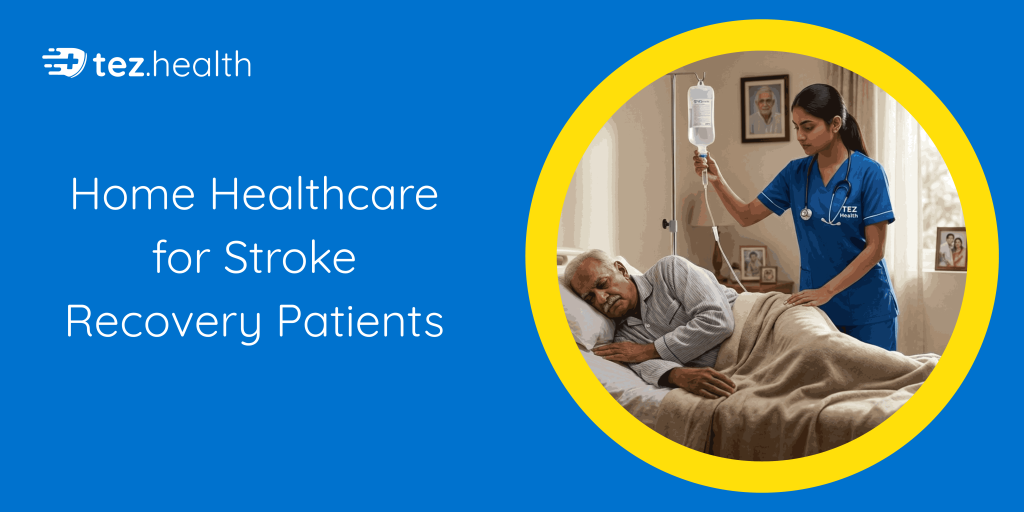
A Comprehensive Guide to Safe, Structured, and Effective Stroke Rehabilitation at Home
Stroke is one of the leading causes of disability worldwide and a major contributor to long-term neurological impairment in India. While emergency treatment during the “golden hour” saves lives and limits brain damage, recovery does not end at hospital discharge. In fact, rehabilitation begins the moment a patient stabilizes.
For many families, the next important question is:
Can stroke recovery be effectively managed at home?
The answer is yes — when structured properly, monitored carefully, and guided by trained healthcare professionals.
Home healthcare for stroke recovery has emerged as a practical, safe, and patient-centered model of rehabilitation. It allows stroke survivors to regain function in a familiar environment while receiving personalized therapy and nursing support.
This comprehensive guide explores stroke recovery at home at both macro and micro levels, including:
- Understanding stroke and its impact
- Phases of stroke rehabilitation
- Benefits of home healthcare after stroke
- Multidisciplinary home rehabilitation model
- Nursing care at home for stroke patients
- Physiotherapy, speech therapy, and occupational therapy at home
- Stroke complications and prevention
- Caregiver role and burnout management
- Safety considerations
- Frequently asked questions
Understanding Stroke: What Happens in the Brain?
A stroke occurs when blood flow to a part of the brain is interrupted. Without oxygen and nutrients, brain cells begin to die within minutes.
There are two main types of stroke:
- Ischemic stroke – Caused by a blood clot blocking an artery (most common type).
- Hemorrhagic stroke – Caused by bleeding in the brain due to ruptured blood vessels.
The affected brain area determines the type of disability.
Common Effects of Stroke
Stroke can cause a wide range of physical, cognitive, and emotional impairments:
Physical Effects
- Paralysis or weakness (usually one side of body)
- Difficulty walking
- Muscle stiffness (spasticity)
- Poor coordination
Communication Problems
- Slurred speech
- Aphasia (difficulty understanding or expressing language)
Cognitive Changes
- Memory problems
- Poor attention span
- Reduced problem-solving ability
Emotional Changes
- Depression
- Anxiety
- Mood swings
- Irritability
Every stroke is unique. Recovery potential depends on:
- Size of brain damage
- Speed of treatment
- Age of patient
- Overall health
- Quality of rehabilitation
Phases of Stroke Recovery
Understanding recovery phases helps families plan home healthcare effectively.
1. Acute Phase (First Few Days)
Hospital stabilization, clot removal or bleeding control.
2. Subacute Phase (Weeks 1–12)
Rapid recovery phase. Most improvement happens here.
3. Chronic Phase (After 3 Months)
Slower but continued improvement possible with consistent therapy.
Home healthcare usually begins during the subacute phase after hospital discharge.
Why Home Healthcare for Stroke Recovery?
Hospital stays are expensive and often limited to acute stabilization. Long-term rehabilitation in hospitals may not be financially sustainable.
Home healthcare offers:
- Personalized rehabilitation plans
- Comfortable environment
- Reduced hospital-acquired infection risk
- Family involvement in recovery
- Cost-effectiveness
- Better psychological comfort
Familiar surroundings improve emotional well-being and motivation.
Multidisciplinary Home Stroke Rehabilitation Team
Stroke recovery requires a coordinated team approach.
1. Doctor Supervision
A neurologist or physician monitors:
- Blood pressure control
- Diabetes management
- Antiplatelet therapy
- Cholesterol levels
- Medication adjustments
Regular home visits or teleconsultations ensure medical stability.
2. Home Healthcare Nurse
Stroke nursing care at home includes:
- Monitoring vital signs
- Medication administration
- Preventing bed sores
- Managing feeding tubes (if required)
- Catheter care
- Monitoring swallowing safety
- Recognizing early warning signs of complications
Nurses are critical in preventing secondary complications.
3. Physiotherapist
Physiotherapy is the backbone of stroke recovery.
Goals:
- Improve muscle strength
- Restore mobility
- Prevent joint stiffness
- Reduce spasticity
- Re-train walking ability
Techniques Used:
- Passive range-of-motion exercises
- Assisted movements
- Balance training
- Gait training
- Muscle re-education
Early and consistent physiotherapy improves long-term independence.
4. Occupational Therapist
Occupational therapy focuses on daily living activities:
- Eating
- Bathing
- Dressing
- Grooming
- Using toilet
Therapists train patients to adapt using:
- Modified techniques
- Assistive devices
- Environmental adjustments
The goal is functional independence.
5. Speech and Swallowing Therapist
Stroke often affects speech and swallowing muscles.
Speech therapy addresses:
- Slurred speech
- Word-finding difficulty
- Communication skills
- Cognitive communication deficits
Swallowing therapy prevents:
- Aspiration pneumonia
- Choking
- Malnutrition
Swallowing assessment is critical before allowing oral feeding.
Detailed Nursing Care at Home for Stroke Patients
Stroke patients are at high risk for complications.
Preventing Bed Sores (Pressure Ulcers)
Immobile patients must be repositioned every 2 hours.
Nurses ensure:
- Skin inspection
- Clean and dry bedding
- Use of air mattress
- Pressure-relief cushions
Early prevention avoids painful and dangerous ulcers.
Managing Feeding Issues
Some patients require:
- Ryle’s tube feeding
- Soft or modified diet
- Thickened liquids
Proper feeding position (45-degree elevation) reduces aspiration risk.
Managing Urinary Catheters
If urinary retention exists:
- Catheter hygiene is essential
- Monitor urine output
- Watch for infection signs
Catheters should be removed as early as possible to reduce infection risk.
Monitoring Blood Pressure and Sugar
Uncontrolled blood pressure is a leading cause of recurrent stroke.
Home nurses monitor:
- Daily BP
- Blood sugar levels
- Medication adherence
Home-Based Physiotherapy: Micro-Level Approach
Physiotherapy is not just exercise. It is brain retraining.
The brain has neuroplasticity — the ability to rewire and form new connections.
Repeated movement training helps unaffected brain areas take over lost functions.
Passive Exercises
Used when patient cannot move limb voluntarily.
- Therapist moves joints gently
- Prevents stiffness
- Maintains circulation
Active-Assisted Exercises
Patient attempts movement with therapist support.
Improves muscle activation and neural recovery.
Balance Training
- Sitting balance exercises
- Standing support training
- Weight-shifting drills
Reduces fall risk.
Gait Training
- Parallel bar walking
- Walker-assisted walking
- Stair practice
Walking recovery is gradual and requires patience.
Emotional and Psychological Recovery
Stroke recovery is not only physical.
Up to 30–50% of stroke survivors experience depression.
Signs include:
- Withdrawal
- Hopelessness
- Lack of motivation
- Sleep disturbances
Home care should include:
- Emotional support
- Family encouragement
- Psychiatric consultation if needed
Mental health directly impacts physical recovery.
Stroke Complications to Watch for at Home
Early detection prevents hospitalization.
Warning Signs:
- Sudden weakness
- Slurred speech
- Severe headache
- Chest pain
- Difficulty breathing
- High blood pressure spikes
Immediate medical attention is required for recurrent stroke symptoms.
Preventing Recurrent Stroke
Secondary prevention is critical.
Home healthcare helps manage:
- Hypertension
- Diabetes
- High cholesterol
- Smoking cessation
- Obesity
- Sedentary lifestyle
Medication adherence must be strict.
Diet for Stroke Recovery
Balanced nutrition supports brain healing.
Recommended:
- High-fiber foods
- Lean protein
- Omega-3 fatty acids
- Fresh vegetables
- Controlled salt intake
Avoid:
- High sodium foods
- Processed foods
- Excess sugar
- Trans fats
Dietician consultation improves outcomes.
Home Modifications for Stroke Safety
Creating a safe environment prevents falls.
Recommended changes:
- Install grab bars in bathroom
- Remove loose rugs
- Ensure good lighting
- Use anti-slip mats
- Adjust bed height
- Keep frequently used items within reach
Fall prevention is essential during recovery.
Role of Family in Stroke Recovery
Family involvement is powerful.
Families provide:
- Emotional motivation
- Therapy reinforcement
- Medication reminders
- Social interaction
However, caregivers must also protect their own health to avoid burnout.
Caregiver Burnout: Recognizing Warning Signs
Symptoms include:
- Fatigue
- Irritability
- Sleep problems
- Emotional exhaustion
Solutions:
- Take short breaks
- Rotate responsibilities
- Seek professional home nursing support
- Join caregiver support groups
Healthy caregivers improve patient recovery.
Can All Stroke Patients Recover at Home?
Home healthcare is suitable for:
- Stable patients
- Patients with mild to moderate disability
- Those needing long-term rehabilitation
Hospital care may still be needed if:
- Patient is medically unstable
- Frequent seizures occur
- Severe swallowing issues persist
- Recurrent strokes happen
Medical evaluation determines suitability.
Duration of Stroke Rehabilitation at Home
Recovery timelines vary.
Some patients improve in 3–6 months.
Others may need:
- 1–2 years of therapy
- Long-term supportive care
Consistency is more important than speed.
Technology in Home Stroke Recovery
Modern rehabilitation includes:
- Tele-rehabilitation
- Video consultations
- Remote monitoring devices
- Digital therapy tracking apps
Technology enhances monitoring and accountability.
Cost-Effectiveness of Home Stroke Care
Compared to prolonged hospital stays, home care:
- Reduces expenses
- Prevents hospital readmissions
- Offers customizable care plans
Financial sustainability makes long-term recovery feasible.
Frequently Asked Questions (FAQs)
1. Is stroke recovery possible at home?
Yes, with structured physiotherapy, nursing care, and medical supervision, recovery can be effectively managed at home.
2. How soon should physiotherapy start after stroke?
Physiotherapy should begin as early as medically possible — often within 24–48 hours after stabilization.
3. Can elderly stroke patients recover fully?
Recovery varies. Many elderly patients regain significant function with consistent rehabilitation.
4. How long does home stroke rehabilitation take?
Recovery duration depends on severity but may range from months to years.
5. Is home healthcare safe for stroke patients?
Yes, if provided by trained professionals with proper medical oversight.
Conclusion
Stroke recovery requires patience, structured care, and persistence.
Home healthcare offers a personalized, compassionate, and practical pathway toward regaining independence.
With the right team:
- Doctors ensure stability
- Nurses prevent complications
- Physiotherapists rebuild mobility
- Speech therapists restore communication
- Families provide emotional strength
Recovery may be gradual, but improvement is possible at every stage.
Stroke does not mark the end of independence — it marks the beginning of rehabilitation.