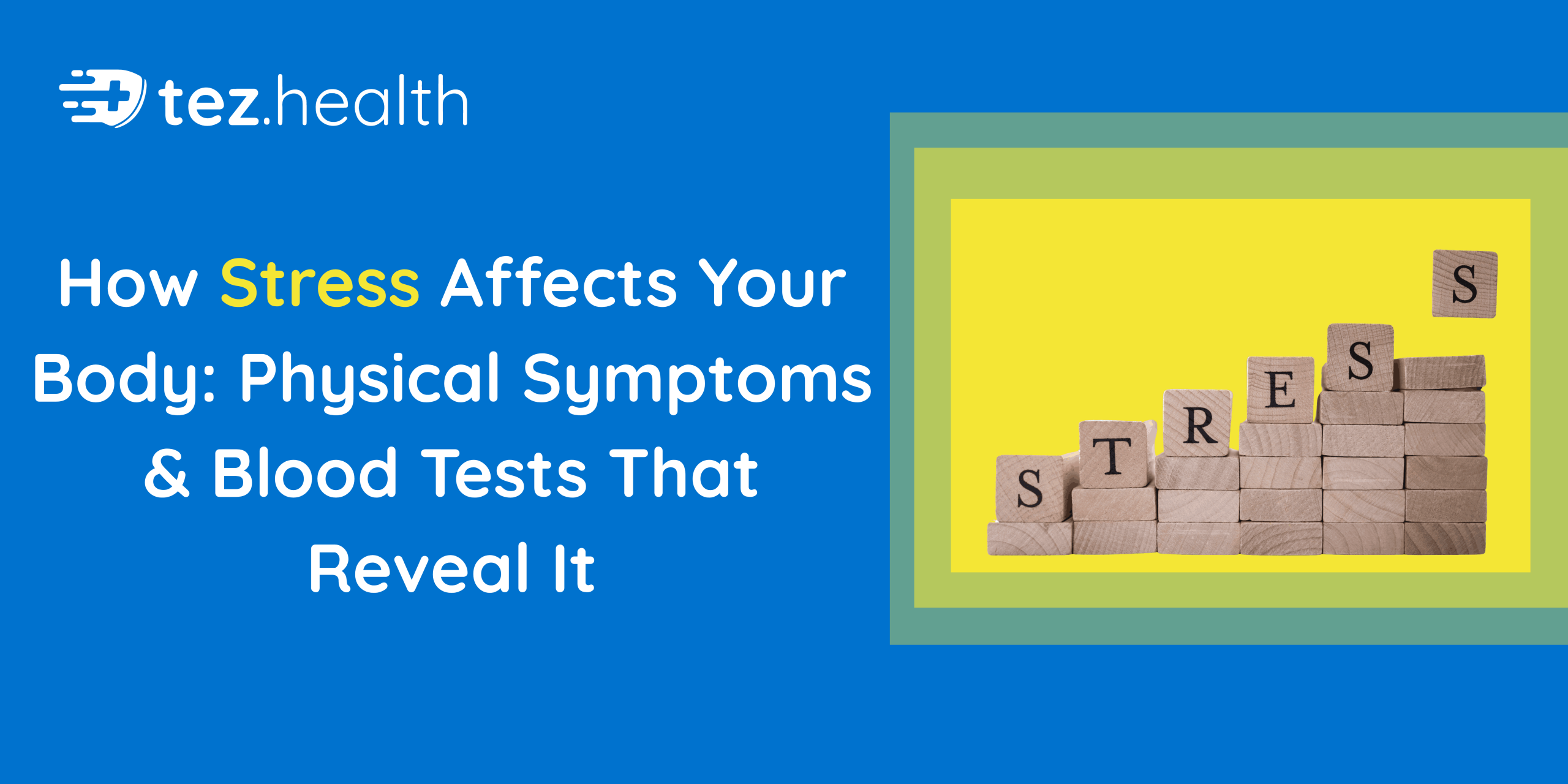
The How Stress Affects Your Body: Physical Symptoms & Blood Tests That Reveal It guide is designed to help you understand the hidden impact of stress on your physical health and how medical tests can uncover its effects. In today’s fast-paced world—especially in cities like Bangalore—stress has become a constant part of life. While occasional stress is normal, chronic stress can silently affect multiple systems in the body, leading to serious health concerns. This comprehensive blog explores how stress manifests physically, the science behind it, and which blood tests can help detect its impact early.
What Is Stress?
Stress is the body’s natural response to challenges or demands. It triggers a series of hormonal and physiological changes designed to help you cope with perceived threats.
Types of Stress:
- Acute Stress: Short-term and temporary
- Chronic Stress: Long-term and harmful
Chronic stress is the primary concern when it comes to health risks.
How Stress Affects the Body
When you experience stress, your body activates the “fight or flight” response, releasing hormones like cortisol and adrenaline.
Key Systems Affected:
- Nervous system
- Endocrine system
- Cardiovascular system
- Immune system
Over time, prolonged activation of these systems leads to health problems.
Physical Symptoms of Stress
Stress doesn’t just affect the mind—it shows up in the body.
1. Headaches and Migraines
- Frequent tension headaches are a common symptom of stress.
2. Fatigue
- Persistent tiredness despite adequate rest.
3. Muscle Pain
- Neck and shoulder stiffness
- Back pain
4. Digestive Issues
- Bloating
- Constipation
- Irritable bowel symptoms
5. Sleep Problems
- Stress can lead to Insomnia, making it difficult to fall or stay asleep.
6. Rapid Heartbeat
- Stress increases heart rate and blood pressure.
7. Weakened Immunity
- Frequent infections due to reduced immune response.
8. Skin Problems
- Acne
- Rashes
- Hair fall
Long-Term Health Risks of Chronic Stress
If left unmanaged, stress can lead to:
- Hypertension
- Type 2 Diabetes
- Heart disease
- Anxiety and depression
- Hormonal imbalances
The Role of Cortisol in Stress
Cortisol is the primary stress hormone.
Effects of High Cortisol Levels:
- Increased blood sugar
- Weight gain
- Sleep disorder
- Reduced immunity
Monitoring cortisol levels can provide insights into stress.
Blood Tests That Reveal Stress Impact
While stress itself isn’t diagnosed through a single test, its effects can be measured through various blood tests.
1. Cortisol Test
What It Measures:
- Stress hormone levels
Why It Matters:
High cortisol indicates chronic stress.
2. Blood Sugar Tests
Includes:
- Fasting glucose
- HbA1c
Importance:
Stress can increase blood sugar levels.
3. Lipid Profile
Checks:
- Cholesterol levels
Why:
Stress may lead to unhealthy lipid levels.
4. Thyroid Function Test
Stress can affect thyroid hormones.
- TSH
- T3
- T4
5. Complete Blood Count (CBC)
Purpose:
- Detects infections
- Evaluates overall health
6. Vitamin Levels
Includes:
- Vitamin D
- Vitamin B12
Deficiencies can worsen stress symptoms.
7. Inflammatory Markers
Examples:
Indicates inflammation caused by chronic stress.
When Should You Get Tested?
Consider testing if you experience:
- Persistent fatigue
- Sleep issues
- Frequent illness
- Mood changes
- Unexplained weight changes
In Bangalore, home blood testing services make it easy to monitor these parameters.
Managing Stress Effectively
1. Lifestyle Changes
- Balanced diet
- Regular exercise
- Adequate sleep
2. Stress Management Techniques
- Meditation
- Yoga
- Deep breathing exercises
3. Time Management
Organizing your schedule reduces stress.
4. Social Support
Talking to family and friends helps relieve stress.
5. Professional Help
Seek therapy or counseling if needed.
Role of Nutrition in Stress Management
Foods That Help:
- Leafy greens
- Nuts and seeds
- Whole grains
Foods to Avoid:
- Excess caffeine
- Sugary foods
- Processed items
Importance of Sleep
Quality sleep helps regulate stress hormones.
Common Mistakes to Avoid
- Ignoring symptoms
- Overworking
- Skipping meals
- Avoiding medical consultation
Why Stress Awareness Matters
In cities like Bangalore:
- High work pressure
- Long commutes
- Digital overload
These factors increase stress levels significantly.
Preventive Health Approach
Regular health checkups and blood tests help detect stress-related changes early.
Long-Term Benefits of Stress Management
- Improved mental health
- Better physical health
- Increased productivity
- Enhanced quality of life
Conclusion
The How Stress Affects Your Body: Physical Symptoms & Blood Tests That Reveal It guide highlights how stress can silently impact your health and why early detection is essential. By recognizing symptoms, undergoing appropriate blood tests, and adopting healthy lifestyle changes, you can effectively manage stress and prevent long-term complications. With easy access to diagnostic services in Bangalore, taking control of your health has never been more convenient.
Frequently Asked Questions on How Stress Affects Your Body: Physical Symptoms & Blood Tests That Reveal It
1. Can stress affect physical health?
Yes, it impacts multiple body systems.
2. What are common symptoms of stress?
Fatigue, headaches, and sleep issues.
3. Can blood tests detect stress?
They can reveal its effects on the body.
4. What is cortisol?
A hormone released during stress.
5. Can stress cause diabetes?
It can increase risk over time.
6. How can I reduce stress?
Through lifestyle changes and relaxation techniques.
7. Is stress common?
Yes, especially in urban areas.
8. When should I see a doctor?
If symptoms persist.
9. Can diet help manage stress?
Yes, a balanced diet is beneficial.
10. Does exercise reduce stress?
Yes, it improves mental health.
11. Are home tests available?
Yes, many labs offer home collection.
12. Can stress be prevented?
It can be managed effectively.