Cholesterol plays an important role in the human body. It helps build cells, produce hormones, and support various bodily functions. However, when cholesterol levels become too high, it can lead to serious health problems such as heart disease, stroke, and blocked arteries.
High cholesterol is a growing health concern worldwide, especially due to sedentary lifestyles, unhealthy diets, stress, and lack of physical activity. The good news is that cholesterol levels can often be controlled through healthy lifestyle choices, proper diet, exercise, and medical care when necessary.
This complete guide explains what cholesterol is, why it becomes high, and the most effective ways to control cholesterol naturally and medically.
Understanding Cholesterol
Cholesterol is a fat-like substance found in the blood. It is produced by the liver and also obtained from certain foods.
Cholesterol travels through the bloodstream in particles called lipoproteins.
There are mainly two types of cholesterol:
LDL (Low-Density Lipoprotein)
LDL is often called “bad cholesterol.” High levels of LDL can lead to plaque buildup in arteries, increasing the risk of heart disease and stroke.
HDL (High-Density Lipoprotein)
HDL is known as “good cholesterol.” It helps remove excess cholesterol from the bloodstream and carries it back to the liver for removal.
Maintaining a healthy balance between LDL and HDL is essential for heart health.
Causes of High Cholesterol
Several factors can contribute to high cholesterol levels.
Unhealthy Diet
Foods high in saturated fats, trans fats, and processed ingredients can increase LDL cholesterol.
Lack of Physical Activity
A sedentary lifestyle reduces HDL cholesterol and increases the risk of weight gain.
Obesity
Excess body weight can lead to higher LDL cholesterol and triglycerides.
Smoking
Smoking lowers HDL cholesterol and damages blood vessels.
Alcohol Consumption
Excess alcohol can raise triglyceride levels.
Genetics
Some people inherit conditions that cause high cholesterol.
Age and Health Conditions
Conditions such as diabetes, thyroid disorders, and kidney disease can affect cholesterol levels.
Symptoms of High Cholesterol
High cholesterol usually does not show obvious symptoms. Many people only discover it through a blood test.
However, prolonged high cholesterol may lead to complications such as:
- Chest pain
- Heart attack
- Stroke
- Poor circulation
- Fatigue
Regular health checkups are important to monitor cholesterol levels.
Ideal Cholesterol Levels
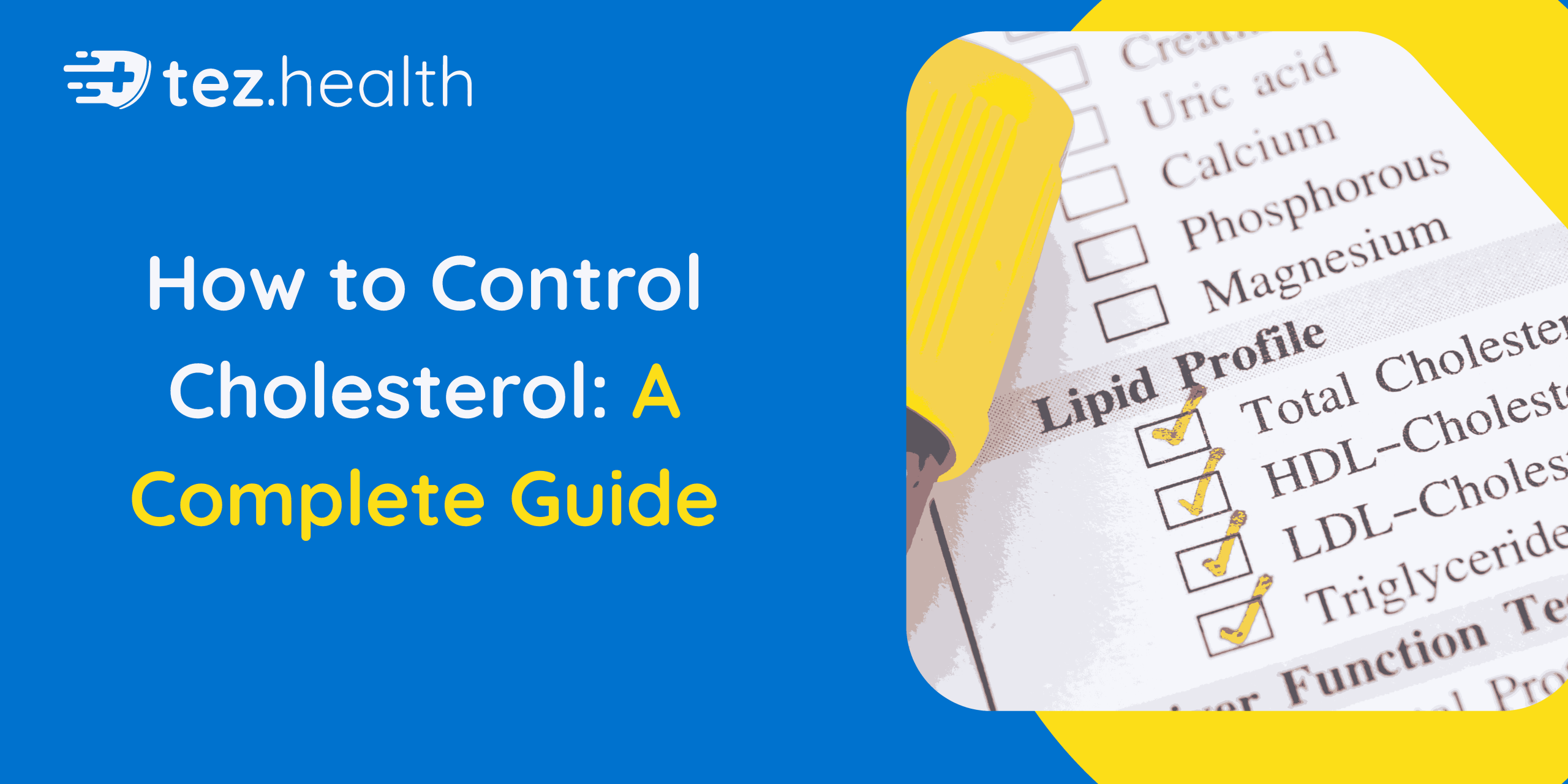
Doctors measure cholesterol through a lipid profile blood test.
Healthy cholesterol levels generally include:
- Total cholesterol: below 200 mg/dL
- LDL cholesterol: below 100 mg/dL
- HDL cholesterol: above 40 mg/dL for men and 50 mg/dL for women
- Triglycerides: below 150 mg/dL
Maintaining these levels reduces the risk of cardiovascular disease.
Effective Ways to Control Cholesterol
Managing cholesterol requires a combination of diet, exercise, lifestyle changes, and medical guidance.
Below are the most effective ways to control cholesterol.
Follow a Heart-Healthy Diet
Diet plays a major role in cholesterol management.
Eat More Fiber
Soluble fiber helps reduce LDL cholesterol by preventing its absorption.
Good sources include:
- Oats
- Beans
- Lentils
- Apples
- Carrots
- Whole grains
Choose Healthy Fats
Replace saturated fats with healthy unsaturated fats.
Healthy fat sources include:
- Olive oil
- Avocados
- Nuts
- Seeds
Limit Trans Fats
Avoid foods containing hydrogenated oils, such as:
- Fried foods
- Packaged snacks
- Processed baked goods
Increase Omega-3 Fatty Acids
Omega-3 fatty acids help reduce triglycerides and improve heart health.
Sources include:
- Fatty fish (salmon, tuna, mackerel)
- Flaxseeds
- Walnuts
- Chia seeds
Exercise Regularly
Physical activity helps improve cholesterol levels by increasing HDL and lowering LDL.
Doctors recommend at least 150 minutes of moderate exercise per week.
Examples include:
- Brisk walking
- Cycling
- Swimming
- Jogging
- Yoga
Even small daily activities like taking stairs or walking after meals can help improve heart health.
Maintain a Healthy Weight
Being overweight increases LDL cholesterol and triglycerides.
Losing even 5–10% of body weight can significantly improve cholesterol levels.
Healthy weight management includes:
- Balanced diet
- Regular exercise
- Portion control
- Consistent lifestyle habits
Quit Smoking
Smoking damages blood vessels and lowers good cholesterol levels.
Quitting smoking helps:
- Increase HDL cholesterol
- Improve circulation
- Reduce heart disease risk
Even a few weeks after quitting, heart health begins to improve.
Limit Alcohol Consumption
While small amounts of alcohol may slightly raise HDL levels, excessive drinking can increase triglycerides and cause other health problems.
Moderation is important.
Manage Stress
Chronic stress may indirectly contribute to high cholesterol by encouraging unhealthy habits like overeating or smoking.
Stress management techniques include:
- Meditation
- Deep breathing exercises
- Yoga
- Adequate sleep
- Hobbies and relaxation activities
Get Regular Health Checkups
Routine health checkups help detect cholesterol problems early.
Doctors may recommend regular lipid profile tests based on age, health condition, and family history.
Early detection allows timely treatment and prevention of complications.
Medical Treatments for High Cholesterol
In some cases, lifestyle changes alone may not be enough to control cholesterol levels.
Doctors may prescribe medications such as:
Statins
Statins reduce cholesterol production in the liver.
Cholesterol Absorption Inhibitors
These medications prevent cholesterol absorption in the intestine.
Bile Acid Sequestrants
These drugs help remove cholesterol from the bloodstream.
PCSK9 Inhibitors
Advanced medications used for patients with severe cholesterol issues.
Medication should always be taken under medical supervision.
Natural Foods That Help Lower Cholesterol
Certain foods naturally support healthy cholesterol levels.
Some cholesterol-lowering foods include:
- Oats and barley
- Nuts and almonds
- Avocados
- Garlic
- Green tea
- Soy products
- Fruits rich in fiber
Adding these foods to your daily diet can help maintain healthy cholesterol levels.
Lifestyle Habits for Long-Term Cholesterol Control
Controlling cholesterol is not a one-time effort but a long-term lifestyle commitment.
Healthy habits include:
- Eating balanced meals
- Staying physically active
- Avoiding processed foods
- Getting sufficient sleep
- Managing stress
- Following medical advice
Consistency is key to maintaining heart health.
When to See a Doctor
You should consult a doctor if:
- Your cholesterol levels are consistently high
- You have a family history of heart disease
- You experience chest pain or fatigue
- Lifestyle changes are not improving your cholesterol levels
Early medical intervention can prevent serious complications.
Conclusion
High cholesterol is a silent health risk that can lead to serious cardiovascular problems if left unmanaged. However, the condition is largely preventable and controllable with the right lifestyle choices.
By maintaining a healthy diet, exercising regularly, managing weight, avoiding smoking, and getting regular health checkups, individuals can significantly reduce their cholesterol levels and improve overall heart health.
In cases where lifestyle changes are not enough, medical treatment can help maintain safe cholesterol levels and reduce the risk of heart disease.
Taking proactive steps today can protect your heart and help you live a healthier and longer life.
FAQs on Cholesterol control in Home.
1. What causes high cholesterol?
High cholesterol can be caused by unhealthy diets, lack of exercise, obesity, smoking, genetics, and certain medical conditions.
2. Can cholesterol be controlled naturally?
Yes, many people can control cholesterol through healthy diet, regular exercise, weight management, and lifestyle changes.
3. Which foods reduce cholesterol?
Foods rich in fiber, omega-3 fatty acids, and healthy fats such as oats, nuts, fish, and fruits help lower cholesterol.
4. How often should cholesterol be checked?
Adults should check cholesterol levels every 4–6 years or more frequently if they have risk factors.
5. Does exercise lower cholesterol?
Yes, regular exercise increases good cholesterol (HDL) and lowers bad cholesterol (LDL).
6. Is high cholesterol dangerous?
Yes, high cholesterol can lead to heart disease, stroke, and blocked arteries if untreated.
7. Can stress increase cholesterol?
Chronic stress may contribute to unhealthy habits that indirectly increase cholesterol levels.
8. Do eggs increase cholesterol?
Eggs contain cholesterol, but moderate consumption is generally safe for most healthy individuals.
9. When are cholesterol medications needed?
Doctors may prescribe medication if cholesterol levels remain high despite lifestyle changes.
10. Can weight loss reduce cholesterol?
Yes, losing excess weight can lower LDL cholesterol and improve overall heart health.