


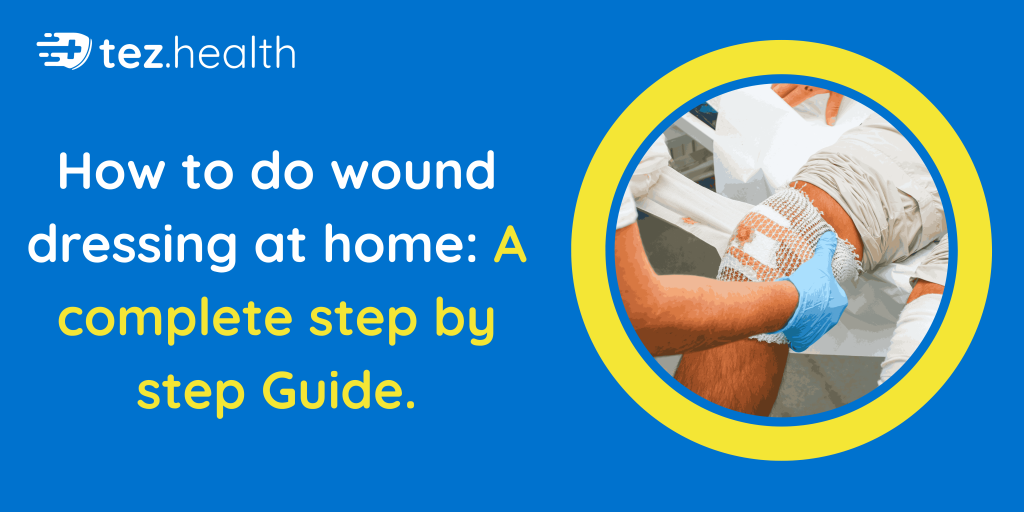
Wound care is one of the most essential parts of recovery after injury, surgery, burns, ulcers, or chronic medical conditions. Proper wound dressing at home can prevent infection, speed up healing, reduce scarring, and avoid unnecessary hospital visits.
With the growing demand for home healthcare services, many families now prefer safe and hygienic wound care in the comfort of their homes. However, wound dressing must be done carefully and correctly to avoid complications like infection, delayed healing, or tissue damage.
This detailed guide explains everything you need to know about how to do wound dressing at home safely, including:
- Types of wounds
- Supplies required for wound dressing
- Step-by-step wound dressing procedure
- Signs of wound infection
- When to call a doctor
- Post-surgical wound care at home
- Chronic wound management
- Common mistakes to avoid
What Is Wound Dressing?
Wound dressing is the process of cleaning, protecting, and covering a wound using sterile materials to promote healing and prevent infection.
A proper wound dressing at home helps in:
- Protecting from bacteria and dust
- Absorbing wound discharge
- Maintaining moisture balance
- Preventing further injury
- Supporting faster tissue repair
Types of Wounds That May Require Dressing at Home
Understanding the type of wound is important before attempting home wound care.
1. Minor Cuts and Abrasions
Superficial injuries caused by sharp objects or falls.
2. Surgical Wounds
Post-operative incision sites requiring dressing change.
3. Burn Wounds
Minor burns that need sterile coverage.
4. Diabetic Foot Ulcers
Chronic wounds requiring regular monitoring.
5. Pressure Sores (Bedsores)
Common in bedridden patients.
6. Traumatic Wounds
Non-deep injuries after accidents.
For deep wounds, severe bleeding, exposed bone, or severe infection — immediate hospital care is required.
Essential Supplies for Wound Dressing at Home
Before starting wound dressing, gather all required materials to ensure hygienic and uninterrupted care.
Basic Wound Dressing Kit
- Sterile gloves
- Clean cotton or gauze
- Sterile dressing pads
- Antiseptic solution (as prescribed)
- Normal saline for wound cleaning
- Medical adhesive tape
- Sterile bandage roll
- Scissors (cleaned and disinfected)
- Disposable waste bag
- Hand sanitizer
For post-surgical wound care or chronic wounds, doctors may prescribe specific medicated dressings.
Step-by-Step Guide: How to Do Wound Dressing at Home
Follow these steps carefully to ensure safe wound dressing at home.
Step 1: Wash Hands Thoroughly
Hand hygiene is critical.
- Wash hands with soap and water for at least 20 seconds.
- Dry using a clean towel.
- Use hand sanitizer.
- Wear sterile gloves before touching the wound.
This prevents contamination and infection.
Step 2: Remove Old Dressing Carefully
- Gently loosen adhesive tape.
- Remove the old dressing slowly to avoid reopening the wound.
- If sticking occurs, moisten with saline to ease removal.
Observe the old dressing for:
- Excess discharge
- Foul smell
- Blood
- Pus
Dispose of it safely in a waste bag.
Step 3: Inspect the Wound
Look for:
- Redness
- Swelling
- Increased warmth
- Pus discharge
- Bad odor
- Increased pain
These may indicate infection.
Healthy wound signs include:
- Pink or red tissue
- Mild clear fluid
- Gradual size reduction
If unsure, consult a doctor home visit service.
Step 4: Clean the Wound Properly
Use sterile saline solution to gently clean the wound.
- Pour saline directly over wound or use sterile gauze soaked in saline.
- Clean from center outward to avoid spreading bacteria inward.
- Avoid harsh scrubbing.
Only use antiseptic solutions if prescribed. Overuse may delay healing.
Step 5: Dry the Area
Pat the surrounding skin gently with sterile gauze.
Do not rub.
Moisture control is important for proper wound healing at home.
Step 6: Apply Prescribed Medication (If Any)
If the doctor has prescribed:
- Antibiotic ointment
- Healing gel
- Silver-based cream
- Antifungal cream
Apply a thin, even layer using a sterile applicator.
Avoid excessive product use.
Step 7: Apply New Sterile Dressing
Place sterile gauze or dressing pad directly over the wound.
Ensure:
- Full wound coverage
- No wrinkles
- Not too tight
Secure with medical tape or bandage roll.
Do not restrict blood circulation.
Step 8: Dispose of Used Materials
Place gloves, old dressing, and waste materials into a sealed bag.
Wash hands again thoroughly.
How Often Should Wound Dressing Be Changed?
Frequency depends on wound type.
- Minor wounds: Once daily
- Surgical wounds: As advised by doctor
- Diabetic ulcers: Often daily or twice daily
- Heavily draining wounds: More frequent changes
Never leave soaked dressing for too long.
Signs of Wound Infection You Should Not Ignore
Immediate medical attention is required if you notice:
- Increasing redness
- Swelling
- Severe pain
- Fever
- Thick yellow or green pus
- Foul smell
- Red streaks around wound
- Delayed healing
In such cases, book a doctor home consultation or visit hospital.
Special Focus: Diabetic Wound Care at Home
Diabetic patients are at high risk of slow healing and infection.
Important tips:
- Monitor blood sugar regularly
- Avoid walking barefoot
- Keep wound clean and dry
- Do not apply home remedies
- Consult healthcare provider regularly
Diabetic foot ulcers require professional wound management.
Post-Surgical Wound Care at Home
After surgery:
- Follow doctor’s instructions strictly
- Keep incision dry
- Avoid excessive movement
- Do not remove stitches without guidance
- Attend scheduled follow-ups
If swelling, redness, or discharge increases — seek medical care immediately.
Pressure Ulcer (Bedsore) Dressing at Home
For bedridden patients:
- Reposition every 2 hours
- Use air mattress
- Keep skin dry
- Maintain hygiene
- Ensure adequate nutrition
Pressure bed sore wound dressing must be done carefully to prevent deep tissue damage.
Common Mistakes in Home Wound Dressing
Avoid these errors:
- Touching wound without gloves
- Reusing gauze
- Applying too much antiseptic
- Leaving wound uncovered unnecessarily
- Ignoring early infection signs
- Using non-medical cloth
- Applying turmeric, toothpaste, or home remedies
Improper wound care can cause serious complications.
When to Book Professional Nursing Care at Home
Consider professional wound care services if:
- Wound is deep
- Dressing causes severe pain
- There is heavy discharge
- Patient has diabetes
- Wound is not healing after 1 week
- There is repeated infection
Home healthcare professionals ensure sterile technique and proper assessment.
Benefits of Professional Wound Care at Home
- Expert cleaning technique
- Infection prevention
- Faster healing
- Reduced scarring
- Proper documentation
- Medication compliance
- Comfort of home
Home nursing services reduce hospital visits significantly.
Advanced Wound Care Options at Home
Modern home healthcare services provide:
- Vacuum-assisted wound therapy
- Silver dressings
- Hydrocolloid dressings
- Foam dressings
- Collagen dressings
- Negative pressure wound therapy
These are especially helpful in chronic wounds.
Conclusion
Proper wound dressing at home is not just about covering a cut — it is about preventing infection, promoting healing, and protecting overall health.
With correct hygiene, proper materials, and medical guidance, most minor and post-surgical wounds can be managed safely at home.
However, never ignore warning signs. Early medical intervention prevents serious complications.
If in doubt, consult a professional through a doctor home visit service or book trained nursing care at home.
Safe wound care today ensures healthy recovery tomorrow.