The How to Lower Cholesterol Naturally: Diet, Exercise & When to Get a Lipid Test at Home guide is essential for anyone looking to maintain heart health and prevent lifestyle-related diseases. With rising cases of high cholesterol in urban populations, especially in cities like Bangalore, understanding how to manage cholesterol levels naturally has become more important than ever. This blog explores practical lifestyle changes, the role of diet and exercise, and when you should consider getting a lipid test done—especially from the comfort of your home.
What is Cholesterol?
Cholesterol is a waxy, fat-like substance found in your blood. It is essential for building cells and producing hormones, but excessive levels can increase the risk of heart disease.
Types of Cholesterol:
- LDL (Low-Density Lipoprotein) – “Bad cholesterol” that can build up in arteries
- HDL (High-Density Lipoprotein) – “Good cholesterol” that helps remove LDL
- Triglycerides – A type of fat in the blood linked to heart risk
Maintaining a healthy balance is key to overall cardiovascular health.
Why High Cholesterol is a Concern
High cholesterol often has no visible symptoms but can lead to serious conditions such as:
- Heart disease
- Stroke
- Blocked arteries (atherosclerosis)
Urban lifestyles in Bangalore—characterized by stress, poor diet, and inactivity—are major contributors to rising cholesterol levels.
Causes of High Cholesterol
Several factors can lead to increased cholesterol levels:
- Unhealthy diet (high in saturated and trans fats)
- Lack of physical activity
- Obesity
- Smoking
- Excess alcohol consumption
- Genetic predisposition
How to Lower Cholesterol Naturally
1. Improve Your Diet
Diet plays a major role in managing cholesterol levels.
Foods to Include:
- Oats and whole grains
- Fruits like apples and berries
- Vegetables rich in fiber
- Nuts and seeds
- Fatty fish (rich in omega-3)
Foods to Avoid:
- Fried foods
- Processed snacks
- Red meat (in excess)
- Sugary beverages
A balanced diet can significantly reduce LDL cholesterol.
2. Increase Physical Activity
Regular exercise helps raise HDL (good cholesterol) and lower LDL.
Recommended Activities:
- Brisk walking
- Cycling
- Swimming
- Yoga
Aim for at least 30 minutes of moderate exercise daily.
3. Maintain a Healthy Weight
Excess weight contributes to higher cholesterol levels. Even a small reduction in weight can improve your lipid profile.
4. Quit Smoking
Smoking lowers HDL levels and damages blood vessels, increasing the risk of heart disease.
5. Limit Alcohol Intake
Excessive alcohol consumption can raise triglyceride levels and contribute to weight gain.
6. Manage Stress
Chronic stress can negatively impact cholesterol levels. Practice:
- Meditation
- Deep breathing exercises
- Mindfulness
What is a Lipid Profile Test?
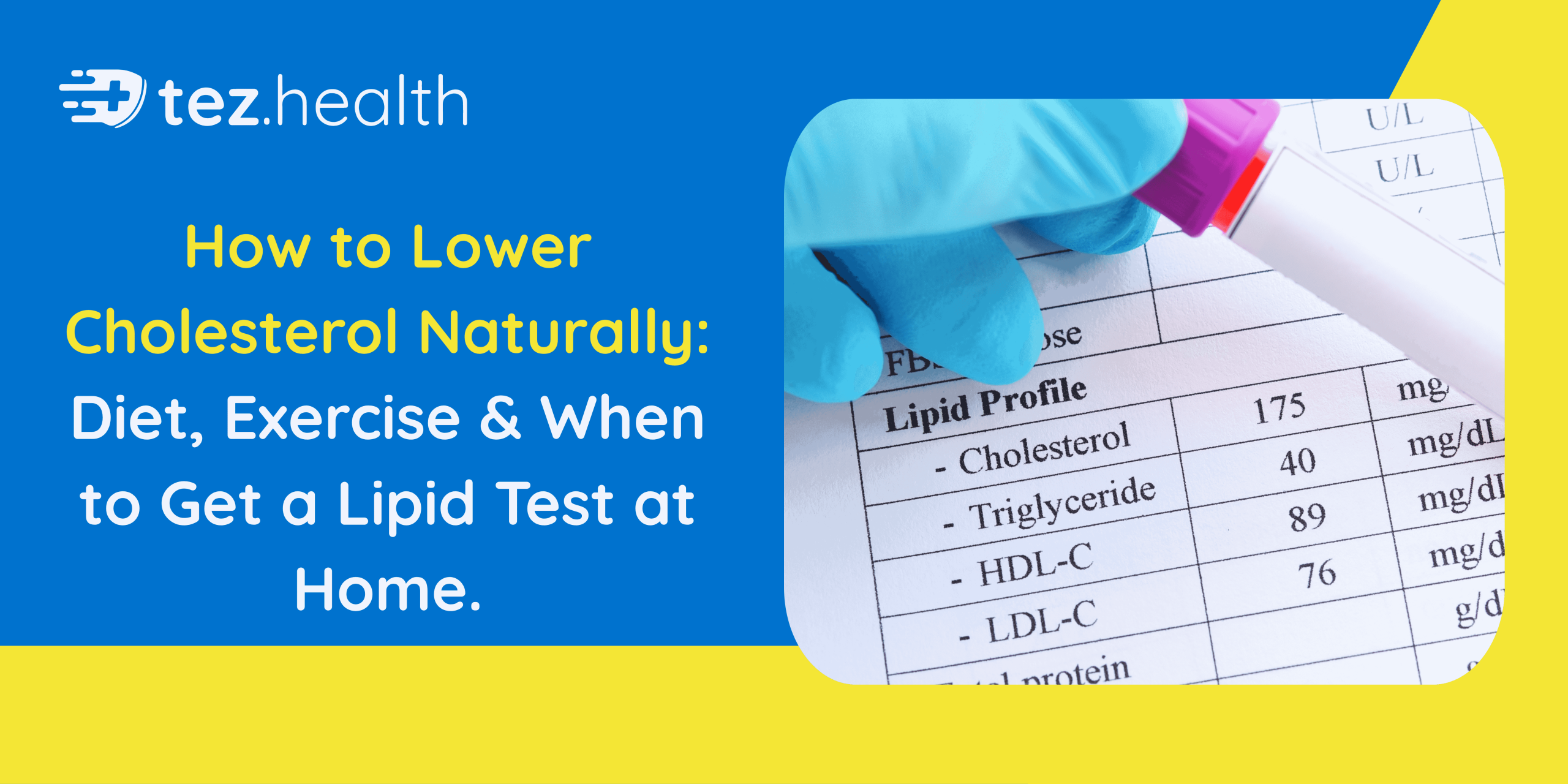
A lipid profile test is a blood test that measures:
- Total cholesterol
- LDL cholesterol
- HDL cholesterol
- Triglycerides
It helps assess your risk of cardiovascular diseases and guides treatment decisions.
Normal Cholesterol Levels
| Component | Ideal Level |
| Total Cholesterol | Below 200 mg/dL |
| LDL | Below 100 mg/dL |
| HDL | Above 40 mg/dL (men), 50 mg/dL (women) |
| Triglycerides | Below 150 mg/dL |
When Should You Get a Lipid Test?
You should consider a lipid profile test if you:
- Are above 30 years of age
- Have a family history of heart disease
- Are overweight or obese
- Have high blood pressure or diabetes
- Lead a sedentary lifestyle
In cities like Bangalore, regular testing is crucial due to increased lifestyle-related risks.
How Often Should You Test?
- Healthy adults: Every 4–6 years
- High-risk individuals: Annually
- Existing conditions: As advised by your doctor
Lipid Test at Home in Bangalore
Home healthcare services have made it easier to monitor cholesterol levels in Bangalore.
How It Works:
- Book the test online
- Choose a time slot
- A trained professional visits your home
- Blood sample is collected
- Reports are delivered digitally
Benefits of Home Lipid Testing
- Convenience and comfort
- No travel required
- Time-saving
- Safe and hygienic
- Ideal for regular monitoring
Preparing for a Lipid Test
Fasting Requirement:
- 9–12 hours fasting is usually required
Tips:
- Avoid alcohol before the test
- Inform your doctor about medications
- Stay hydrated
Lifestyle Plan for Long-Term Cholesterol Control
Daily Habits:
- Eat fiber-rich meals
- Exercise regularly
- Stay hydrated
- Get enough sleep
Weekly Habits:
- Plan healthy meals
- Monitor weight
- Track physical activity
Consistency is key to maintaining healthy cholesterol levels.
Natural Remedies That May Help
While lifestyle changes are most effective, some natural options may support cholesterol management:
- Garlic
- Green tea
- Flaxseeds
- Omega-3 supplements
Always consult a healthcare provider before starting supplements.
Why Cholesterol Management Matters in Urban India
In rapidly growing cities like Bangalore, increasing work stress, poor eating habits, and lack of physical activity have led to a surge in heart-related conditions. Proactive cholesterol management through lifestyle changes and regular testing is essential for long-term health.
Conclusion
The How to Lower Cholesterol Naturally: Diet, Exercise & When to Get a Lipid Test at Home guide emphasizes the importance of adopting a healthy lifestyle and monitoring cholesterol levels regularly. Simple changes in diet, consistent exercise, and timely testing can significantly reduce the risk of heart disease. With the convenience of home testing services available in Bangalore, staying on top of your heart health has never been easier. Start making small changes today for a healthier tomorrow.
Frequently Asked Questions on How to Lower Cholesterol Naturally: Diet Exercise & When to Get a Lipid Test at Home
1. What is the fastest way to lower cholesterol naturally?
Improving diet and increasing physical activity are the most effective methods.
2. Can cholesterol be reduced without medication?
Yes, lifestyle changes can significantly reduce cholesterol levels.
3. How long does it take to lower cholesterol?
It may take a few weeks to months depending on lifestyle changes.
4. Is a lipid test necessary if I feel healthy?
Yes, high cholesterol often has no symptoms.
5. Can exercise alone reduce cholesterol?
Exercise helps, but diet also plays a crucial role.
6. What foods increase cholesterol the most?
Fried foods, processed snacks, and high-fat meats.
7. Is home lipid testing accurate?
Yes, if done through certified labs.
8. How often should I check cholesterol?
Every 4–6 years or more frequently if at risk.
9. Can stress increase cholesterol?
Yes, chronic stress can affect lipid levels.
10. Are natural remedies effective?
They may help but should not replace medical advice.
11. Do I need to fast before a lipid test?
Yes, typically 9–12 hours fasting is required.
12. What happens if cholesterol is too high?
Your doctor may recommend lifestyle changes or medication.