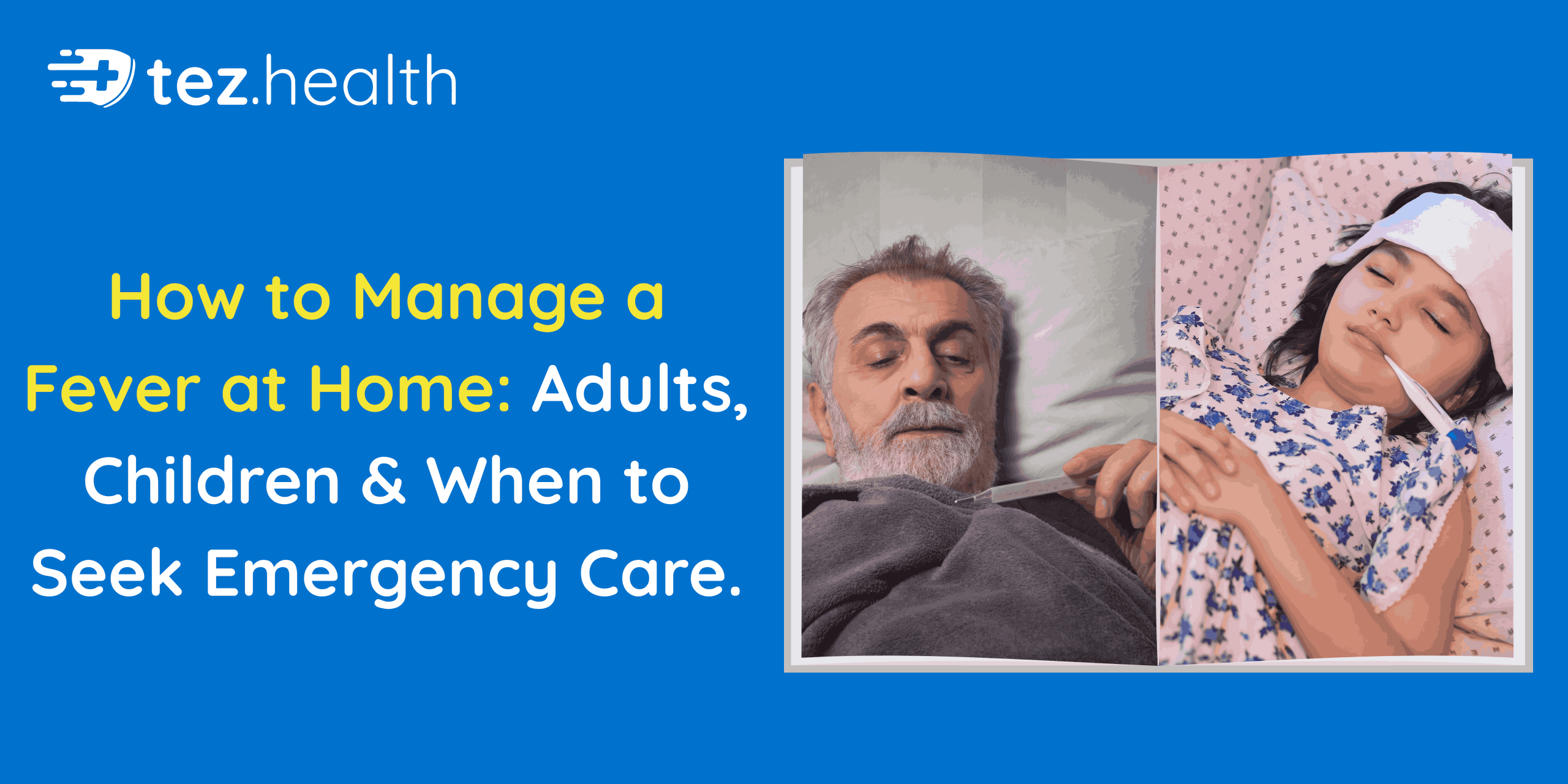
The How to Manage a Fever at Home: Adults, Children & When to Seek Emergency Care guide is designed to help families handle one of the most common health concerns safely and effectively. Fever is often the body’s natural response to infection, but knowing how to manage it at home—and when to seek medical attention—is crucial. In fast-paced urban settings like Bangalore, where access to healthcare is available but time and convenience matter, proper home care can prevent complications and ensure quicker recovery.
What Is a Fever?
Fever is a temporary rise in body temperature, usually due to an infection. It is commonly defined as a body temperature above 38°C (100.4°F).
Fever itself is not a disease but a symptom indicating that the body is fighting an illness.
Common Causes of Fever
Fever can be caused by a variety of conditions:
1. Infections
- Viral infections (flu, cold)
- Bacterial infections
- COVID-19
2. Inflammatory Conditions
3. Heat Exhaustion
- Exposure to high temperatures
4. Vaccination Response
- Mild fever after immunization
Common Symptoms Accompanying Fever
In children, additional symptoms may include irritability and poor feeding.
How to Measure Body Temperature
Accurate temperature measurement is important.
Methods:
- Digital thermometer (oral, underarm, rectal)
- Ear (tympanic) thermometer
- Forehead (infrared) thermometer
Normal Temperature Ranges:
| Method | Normal Range |
| Oral | 36.5°C – 37.5°C |
| Underarm | Slightly lower |
| Rectal | Slightly higher |
Managing Fever at Home (Adults)
1. Stay Hydrated
- Drink plenty of fluids (water, soups, ORS)
- Prevent dehydration
2. Get Adequate Rest
Rest helps the body recover faster.
3. Use Fever-Reducing Medications
- Paracetamol (as prescribed)
- Avoid self-medication
4. Dress Comfortably
- Wear light clothing
- Avoid heavy blankets
5. Lukewarm Sponging
- Helps reduce body temperature
- Avoid cold water
Managing Fever in Children
Children require special attention during fever.
1. Monitor Temperature Regularly
Check every 4–6 hours.
2. Keep Them Hydrated
- Breast milk (for infants)
- Fluids and ORS
3. Use Pediatric Medications
- Only as prescribed by a doctor
4. Ensure Comfort
- Light clothing
- Adequate rest
5. Watch for Warning Signs
- Persistent crying
- Difficulty breathing
- Refusal to eat or drink
Home Remedies for Fever
While medical care is important, some supportive remedies include:
- Warm fluids (herbal teas, soups)
- Steam inhalation (for respiratory symptoms)
- Adequate hydration
These should complement—not replace—medical treatment.
What NOT to Do During Fever
- Do not overdress the patient
- Do not use ice-cold water
- Do not ignore persistent fever
- Do not give adult medicines to children
- Do not delay medical consultation if symptoms worsen
When to Seek Medical Help
Consult a doctor if:
For Adults:
- Fever lasts more than 3 days
- Temperature exceeds 39°C
- Severe headache or rash
- Difficulty breathing
For Children:
- Fever in infants under 3 months
- Persistent high fever
- Seizures
- Dehydration
In Bangalore, home healthcare services can assist with medical evaluation and care.
When to Seek Emergency Care
Call emergency services immediately if:
- Difficulty breathing
- Chest pain
- Confusion or unconsciousness
- Seizures
- Bluish lips or face
- Severe dehydration
These symptoms require urgent medical attention.
Role of Home Healthcare Services
Home healthcare providers in Bangalore offer:
- Doctor consultations at home
- Nurse visits
- IV fluids and medication
- Diagnostic tests
This ensures timely and convenient care.
Fever in Special Populations
1. Elderly Patients
- Higher risk of complications
- May not show high temperatures
2. Immunocompromised Individuals
- Require immediate medical attention
3. Pregnant Women
- Should consult a doctor promptly
Preventing Fever and Infections
1. Maintain Hygiene
- Regular handwashing
2. Stay Vaccinated
- Follow recommended schedules
3. Eat a Balanced Diet
- Boost immunity
4. Avoid Exposure to Sick Individuals
Daily Care Routine During Fever
Morning:
- Check temperature
- Take medication
Afternoon:
- Hydration and light meals
Evening:
- Monitor symptoms
- Rest
Night:
- Ensure comfort and sleep
Consistency helps recovery.
Common Mistakes to Avoid
- Ignoring early symptoms
- Self-medicating without advice
- Not completing prescribed medication
- Delaying medical consultation
Avoiding these mistakes ensures safer recovery.
Emotional Support and Care
Fever can cause discomfort and anxiety.
Tips:
- Stay calm
- Provide reassurance
- Ensure proper care
Support improves recovery, especially in children.
Why Awareness Matters
In busy urban environments like Bangalore, knowing how to manage fever at home helps:
- Reduce unnecessary hospital visits
- Ensure timely care
- Prevent complications
Conclusion
The How to Manage a Fever at Home: Adults, Children & When to Seek Emergency Care guide highlights the importance of proper home care, monitoring, and timely medical intervention. While most fevers can be managed at home with rest and hydration, recognizing warning signs is crucial for preventing complications. With accessible healthcare services in Bangalore, families can ensure safe and effective care for both adults and children. Stay informed, stay prepared, and prioritize health.
Frequently Asked Questions How to Manage a Fever at Home: Adults Children & When to Seek Emergency Care
1. What temperature is considered a fever?
Above 38°C (100.4°F).
2. Can fever be treated at home?
Yes, in most mild cases.
3. How often should I check temperature?
Every 4–6 hours.
4. Is paracetamol safe?
Yes, when taken as prescribed.
5. When should I see a doctor?
If fever persists or symptoms worsen.
6. Can children have fever after vaccination?
Yes, mild fever is common.
7. Should I use cold water for sponging?
No, use lukewarm water.
8. Can dehydration occur during fever?
Yes, fluid intake is important.
9. What are danger signs in children?
Seizures, breathing issues, and dehydration.
10. Is fever always serious?
Not always, but monitoring is important.
11. Can I go to work with a fever?
It is better to rest and recover.
12. Do I need antibiotics for fever?
Only if prescribed by a doctor.