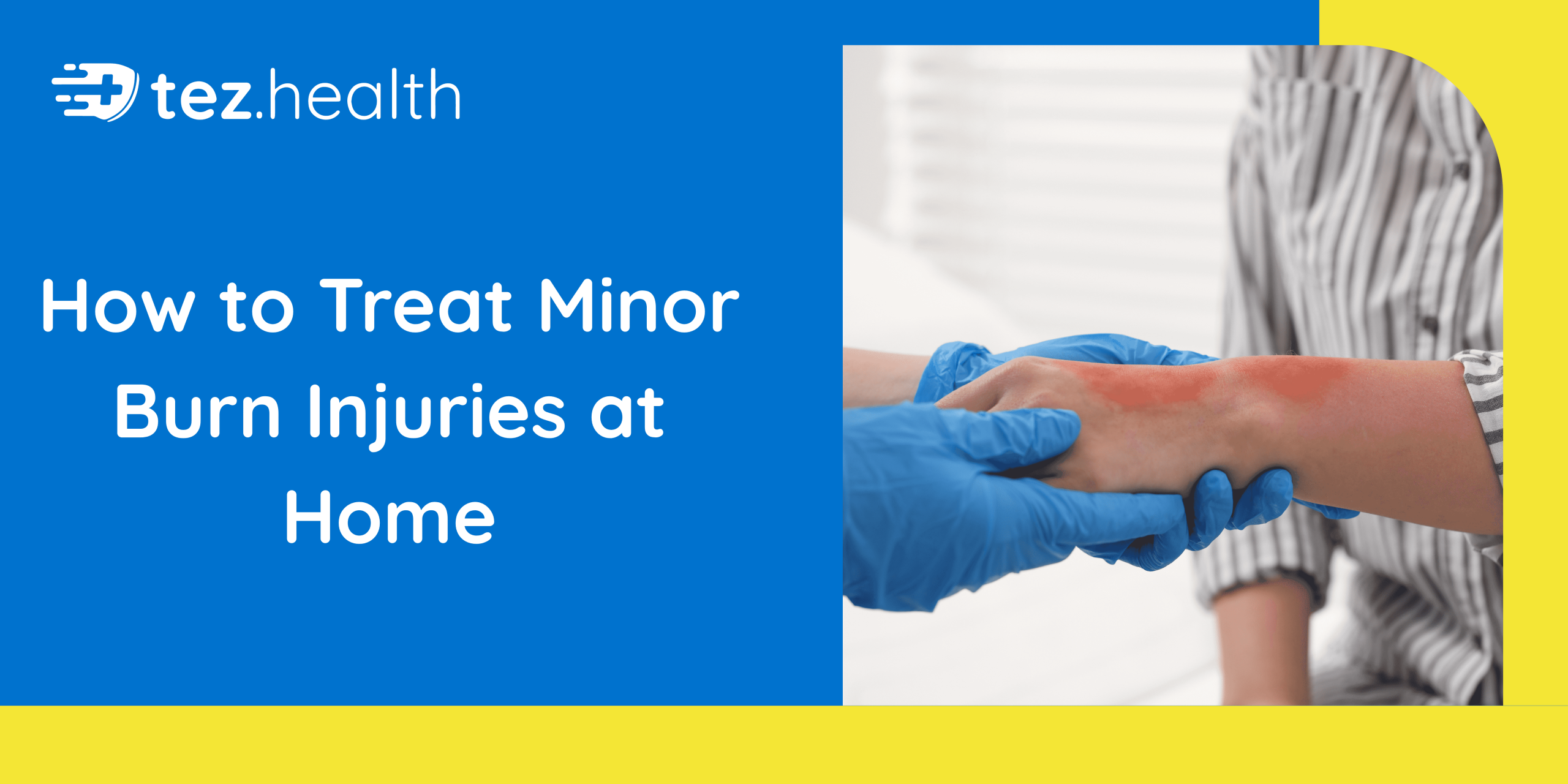
Minor burns are common household injuries that can occur while cooking, handling hot liquids, using electrical appliances, or even spending too much time in the sun. Although most minor burns are not dangerous, they can still cause pain, redness, and discomfort if not treated properly.
Therefore, knowing the correct first aid steps is essential. In fact, immediate care can reduce pain, prevent infection, and speed up healing. Moreover, proper home treatment can help avoid complications such as scarring or worsening of the burn.
In this complete guide, you will learn about types of burns, symptoms, step-by-step treatment, home remedies, what to avoid, and when to seek medical help.
Understanding Minor Burns
What is a Minor Burn?
A minor burn usually affects only the outer layer of the skin (first-degree burn) or slightly deeper layers (mild second-degree burn).
These burns typically:
- Cause redness
- Result in mild swelling
- May produce small blisters
- Heal within a few days to two weeks
Common Causes of Minor Burns
Minor burns can happen in everyday situations. For example:
- Hot oil splashes while cooking
- Touching hot surfaces
- Steam burns
- Sunburn
- Electrical appliance mishandling
Therefore, awareness and quick action are key.
Types of Burns
First-Degree Burns
These affect only the outer skin layer.
Symptoms:
- Redness
- Pain
- No blisters
Mild Second-Degree Burns
These affect deeper skin layers.
Symptoms:
- Blisters
- Swelling
- More intense pain
Symptoms of Minor Burns
Recognizing symptoms early helps in better care.
Common signs include:
- Red or inflamed skin
- Pain or burning sensation
- Swelling
- Blisters (in some cases)
- Dry or peeling skin during healing
Step-by-Step First Aid for Minor Burns
1. Remove the Source of Heat
First and foremost, stop the burning process.
For example:
- Turn off the stove
- Move away from hot objects
2. Cool the Burn Immediately
This is the most important step.
- Hold the burned area under cool running water for 10–20 minutes
- Alternatively, use a cool, damp cloth
Avoid ice, as it can damage the skin further.
3. Remove Tight Items
Carefully remove:
- Rings
- Watches
- Tight clothing
This prevents complications due to swelling.
4. Clean the Area Gently
Use mild soap and water.
However, avoid scrubbing the burn.
5. Apply a Soothing Ointment
Use:
- Aloe vera gel
- Burn creams
These help soothe the skin.
6. Cover the Burn
Use a sterile, non-stick bandage.
This protects against infection.
7. Manage Pain
If needed:
- Take over-the-counter pain relief
- Apply soothing lotions
Home Remedies for Minor Burns
Aloe Vera
Aloe vera cools the skin and promotes healing.
Honey
Natural antibacterial properties help prevent infection.
Coconut Oil
Moisturizes the skin and reduces dryness.
Cool Compress
Provides immediate relief from pain.
Oatmeal Baths
Helpful for soothing irritated skin, especially in sunburn.
What NOT to Do
Avoid common mistakes that can worsen burns.
Do Not Use Ice Directly
It can damage skin tissues.
Do Not Burst Blisters
This increases infection risk.
Avoid Applying Toothpaste or Butter
These can trap heat and cause irritation.
Do Not Use Dirty Materials
Always use clean, sterile items.
Managing Blisters Safely
Blisters are a natural part of healing.
What to Do
- Leave them intact
- Cover with sterile dressing
When to Act
If a blister bursts:
- Clean gently
- Apply antiseptic
- Cover with a bandage
Healing Process
Stage 1: Inflammation
Redness and pain occur.
Stage 2: Repair
New skin forms.
Stage 3: Recovery
Skin heals and may peel.
Healing time:
- First-degree burns: 3–7 days
- Mild second-degree burns: up to 2 weeks
Signs of Infection
Even minor burns can get infected.
Watch for:
- Increased redness
- Swelling
- Pus
- Fever
- Foul smell
Seek medical help if these appear.
When to Seek Medical Help
Although minor burns can be treated at home, consult a doctor if:
- Burn is larger than your palm
- Blisters are severe
- Pain worsens
- Burn is on face, hands, or genitals
- Signs of infection appear
Special Care for Children and Elderly
Children
- Skin is more sensitive
- Burns can worsen quickly
Elderly
- Slower healing
- Higher infection risk
Therefore, extra care and monitoring are necessary.
Preventing Burn Injuries at Home
Kitchen Safety
- Keep handles turned inward
- Avoid distractions while cooking
Electrical Safety
- Handle appliances carefully
- Avoid wet hands
Sun Protection
- Use sunscreen
- Avoid peak sunlight hours
Child Safety
- Keep hot items out of reach
- Use protective barriers
Role of Home Healthcare Services
For patients with sensitive skin or recurring injuries, home healthcare services can help with:
- Wound care
- Dressing changes
- Monitoring healing
This ensures safe recovery at home.
Long-Term Care and Scar Prevention
Keep Skin Moisturized
Prevents dryness and improves healing.
Avoid Sun Exposure
Protect healing skin from sunlight.
Use Recommended Creams
Helps reduce scars.
Conclusion
Minor burns are common but manageable with proper care. Acting quickly by cooling the burn, protecting the skin, and avoiding harmful practices can significantly improve healing.
Moreover, understanding warning signs ensures timely medical intervention when needed. While most burns heal within days, proper care can prevent complications and promote faster recovery.
By following these simple yet effective steps, you can confidently treat minor burns at home and ensure safety for yourself and your family.
FAQs on how to treat minor burn injuries at home
1. What is the first aid for minor burns at home?
Cool the burn under running water, clean it, apply ointment, and cover it.
2. Can I use ice on a burn?
No, ice can damage the skin further.
3. How long should I cool a burn?
At least 10–20 minutes under cool running water.
4. Should I pop burn blisters?
No, it increases the risk of infection.
5. What home remedies help burns heal faster?
Aloe vera, honey, and coconut oil can help soothe burns.
6. How do I know if a burn is serious?
If it is large, deep, or shows infection signs.
7. Can minor burns heal without treatment?
They may, but proper care speeds healing and prevents infection.
8. When should I see a doctor for a burn?