


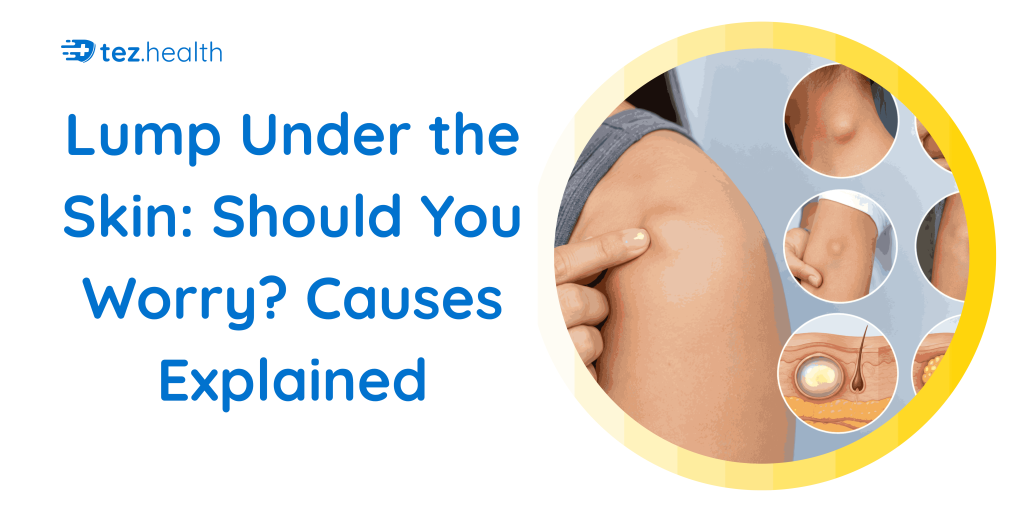
Finding a lump under the skin can be alarming for many people. Whether it appears suddenly or grows slowly over time, most individuals immediately worry about serious conditions such as cancer. However, not every lump under the skin is dangerous. Many lumps are harmless and may occur due to infections, cysts, swollen lymph nodes, fatty growths, or minor skin conditions.
At the same time, some lumps may require medical attention, especially if they are painful, growing rapidly, hard, or associated with other symptoms. Understanding the possible causes of a lump under the skin can help reduce unnecessary fear while also helping people recognize when medical evaluation is important.
Lumps can appear anywhere on the body including:
- Neck
- Arms
- Legs
- Back
- Chest
- Face
- Scalp
- Underarms
- Groin
Some lumps remain small and painless, while others may become swollen, tender, or inflamed.
In this guide, we will explain the common causes of lumps under the skin, warning signs to watch for, treatment options, and when you should consult a doctor.
What is a Lump Under the Skin?
A lump under the skin is an abnormal swelling or bump that develops beneath the surface of the skin.
The lump may vary in:
- Size
- Shape
- Texture
- Mobility
- Pain level
Some lumps are soft and movable, while others may feel hard or fixed in place.
A lump may develop suddenly or slowly over weeks or months depending on the cause.
Common Symptoms Associated with Skin Lumps
Symptoms may vary based on the underlying condition.
Common symptoms include:
- Swelling
- Pain or tenderness
- Redness
- Warmth
- Skin discoloration
- Pus discharge
- Itching
- Growth in size
- Fever in some cases
Some lumps may have no symptoms at all.
Common Causes of Lumps Under the Skin
1. Lipoma
Lipomas are one of the most common harmless lumps found under the skin.
A lipoma is a soft fatty growth that develops between the skin and muscle layer.
Common Features:
- Soft texture
- Painless
- Slow-growing
- Movable under the skin
Lipomas commonly appear on:
- Neck
- Shoulders
- Back
- Arms
Most lipomas are non-cancerous and usually do not require treatment unless they become painful or large.
2. Sebaceous Cyst
Sebaceous cysts are closed sacs under the skin filled with oily or cheese-like material.
They often develop due to blocked oil glands.
Symptoms Include:
- Round lump
- Smooth surface
- Slow growth
- Sometimes painful if infected
These cysts commonly appear on:
- Face
- Neck
- Back
- Scalp
3. Swollen Lymph Nodes
Lymph nodes may become enlarged when the body fights infections or inflammation.
Swollen lymph nodes are commonly found in:
- Neck
- Underarms
- Groin
Common Causes:
- Viral infections
- Bacterial infections
- Throat infections
- Dental infections
They may feel tender and painful during illness.
4. Abscess
An abscess is a painful collection of pus caused by bacterial infection.
Symptoms Include:
- Redness
- Warmth
- Swelling
- Severe pain
- Fever in some cases
Abscesses may require drainage and antibiotics.
5. Boils
Boils are skin infections that begin in hair follicles or oil glands.
They appear as:
- Painful red lumps
- Swollen bumps filled with pus
Boils are often caused by bacterial infections.
6. Enlarged Lymph Nodes Due to Viral Illness
Common viral infections such as cold, flu, or viral fever may temporarily enlarge lymph nodes.
These lumps usually improve once the infection resolves.
7. Fibroma
Fibromas are non-cancerous growths made of fibrous tissue.
They are usually:
- Firm
- Small
- Slow-growing
Most fibromas are harmless.
8. Hernia
A hernia occurs when an internal organ or tissue pushes through a weak muscle wall.
Common areas include:
- Groin
- Abdomen
The lump may become more noticeable while coughing or lifting heavy objects.
9. Skin Cancer or Tumors
Although many lumps are harmless, some may be cancerous.
Warning signs may include:
- Hard lump
- Rapid growth
- Irregular shape
- Persistent pain
- Skin ulceration
Any suspicious lump should be medically evaluated.
10. Ganglion Cyst
Ganglion cysts are fluid-filled lumps commonly found near joints or tendons.
They usually occur around:
- Wrist
- Hands
- Feet
These cysts are often harmless but may cause discomfort during movement.
Are All Lumps Dangerous?
No, many lumps under the skin are benign, meaning non-cancerous.
However, some lumps may require medical attention, especially if they:
- Grow rapidly
- Become painful
- Feel hard
- Cause fever
- Do not go away
Ignoring unusual lumps may delay diagnosis of serious conditions.
When Should You Worry About a Lump?
You should consult a doctor if the lump:
- Grows quickly
- Feels hard or fixed
- Causes severe pain
- Changes skin color
- Produces pus or bleeding
- Is associated with fever
- Persists for several weeks
- Causes unexplained weight loss
Early medical evaluation is important for proper diagnosis.
How Doctors Diagnose Skin Lumps
Doctors diagnose lumps through:
- Physical examination
- Medical history
- Size and texture assessment
They may also recommend:
- Ultrasound scan
- Blood tests
- CT scan
- MRI scan
- Biopsy if necessary
These tests help identify the exact cause.
Treatment Options for Lumps Under the Skin
Treatment depends on the underlying condition.
1. Observation and Monitoring
Small harmless lumps may only require monitoring.
Doctors may advise regular follow-up if:
- The lump is painless
- Not growing
- Appears non-cancerous
2. Antibiotics
Infections causing abscesses or boils may require antibiotics.
Treatment helps reduce:
- Swelling
- Infection
- Pain
3. Drainage Procedures
Pus-filled abscesses may need drainage to remove infected material.
This procedure helps relieve pain and speed healing.
4. Surgical Removal
Some lumps such as:
- Lipomas
- Cysts
- Fibromas
may be surgically removed if they:
- Grow larger
- Cause discomfort
- Affect appearance
5. Cancer Treatment
Cancerous lumps may require:
- Surgery
- Chemotherapy
- Radiation therapy
Early diagnosis significantly improves treatment outcomes.
Home Care Tips for Minor Lumps
1. Avoid Squeezing the Lump
- Pressing or squeezing may worsen infection and inflammation.
2. Keep the Area Clean
- Maintain proper hygiene to reduce infection risk.
3. Apply Warm Compress
- Warm compresses may help reduce pain and improve drainage in minor infections.
Monitor Changes
Observe:
- Size
- Pain
- Redness
- Growth
Any worsening should be medically evaluated.
Lumps in Different Body Areas
Neck Lumps
Common causes include:
- Swollen lymph nodes
- Thyroid swelling
- Cysts
Persistent neck lumps require evaluation.
Breast Lumps
Breast lumps may occur due to:
- Hormonal changes
- Cysts
- Fibroadenomas
- Breast cancer
Any new breast lump should be medically checked.
Underarm Lumps
Underarm lumps may result from:
- Swollen lymph nodes
- Infections
- Cysts
Groin Lumps
Groin lumps may occur due to:
- Hernias
- Swollen lymph nodes
- Skin infections
Can Stress Cause Lumps?
Stress itself does not directly cause lumps, but it may worsen:
- Skin inflammation
- Hormonal imbalance
- Certain skin conditions
Stress may also increase awareness of body changes.
Are Lumps Common in Children?
Children may develop lumps due to:
- Swollen lymph nodes
- Minor infections
- Cysts
Most childhood lumps are harmless, but persistent or growing lumps should be evaluated by a doctor.
Preventing Skin Infections and Lumps
1. Maintain Good Hygiene
- Regular cleaning helps prevent skin infections.
2. Avoid Sharing Personal Items
- Sharing towels or razors may spread infections.
3. Treat Skin Infections Early
- Prompt treatment may prevent abscesses and swelling.
4. Maintain Healthy Lifestyle Habits
- Balanced nutrition and proper immunity support healthy skin.
Importance of Early Diagnosis
Many people ignore lumps until they become painful or larger.
Early medical evaluation can:
- Identify serious conditions early
- Prevent complications
- Improve treatment success
- Reduce anxiety
Even harmless lumps should be monitored if changes occur.
Frequently Asked Questions (FAQ’S) on Lump Under the Skin: Should You Worry? Causes Explained
1. Are all lumps under the skin cancerous?
No, many lumps are harmless and non-cancerous, such as lipomas and cysts.
2. What causes lumps under the skin?
Lumps may be caused by cysts, infections, swollen lymph nodes, lipomas, hernias, or tumors.
3. When should I worry about a lump?
You should seek medical care if the lump grows rapidly, becomes painful, hard, or persists.
4. Can infections cause skin lumps?
Yes, abscesses, boils, and swollen lymph nodes commonly occur due to infections.
5. What is a lipoma?
A lipoma is a soft fatty lump under the skin that is usually harmless.
6. Can stress cause lumps under the skin?
Stress does not directly cause lumps but may worsen certain skin conditions.
7. Are swollen lymph nodes dangerous?
Swollen lymph nodes are often caused by infections, but persistent swelling should be evaluated.
8. Can skin lumps go away on their own?
Some lumps may resolve naturally, while others require treatment depending on the cause.
9. How are skin lumps diagnosed?
Doctors may use physical examination, scans, blood tests, or biopsy to diagnose lumps.
10. Should painful lumps be checked by a doctor?
Yes, painful, growing, or infected lumps should always be medically evaluated.