
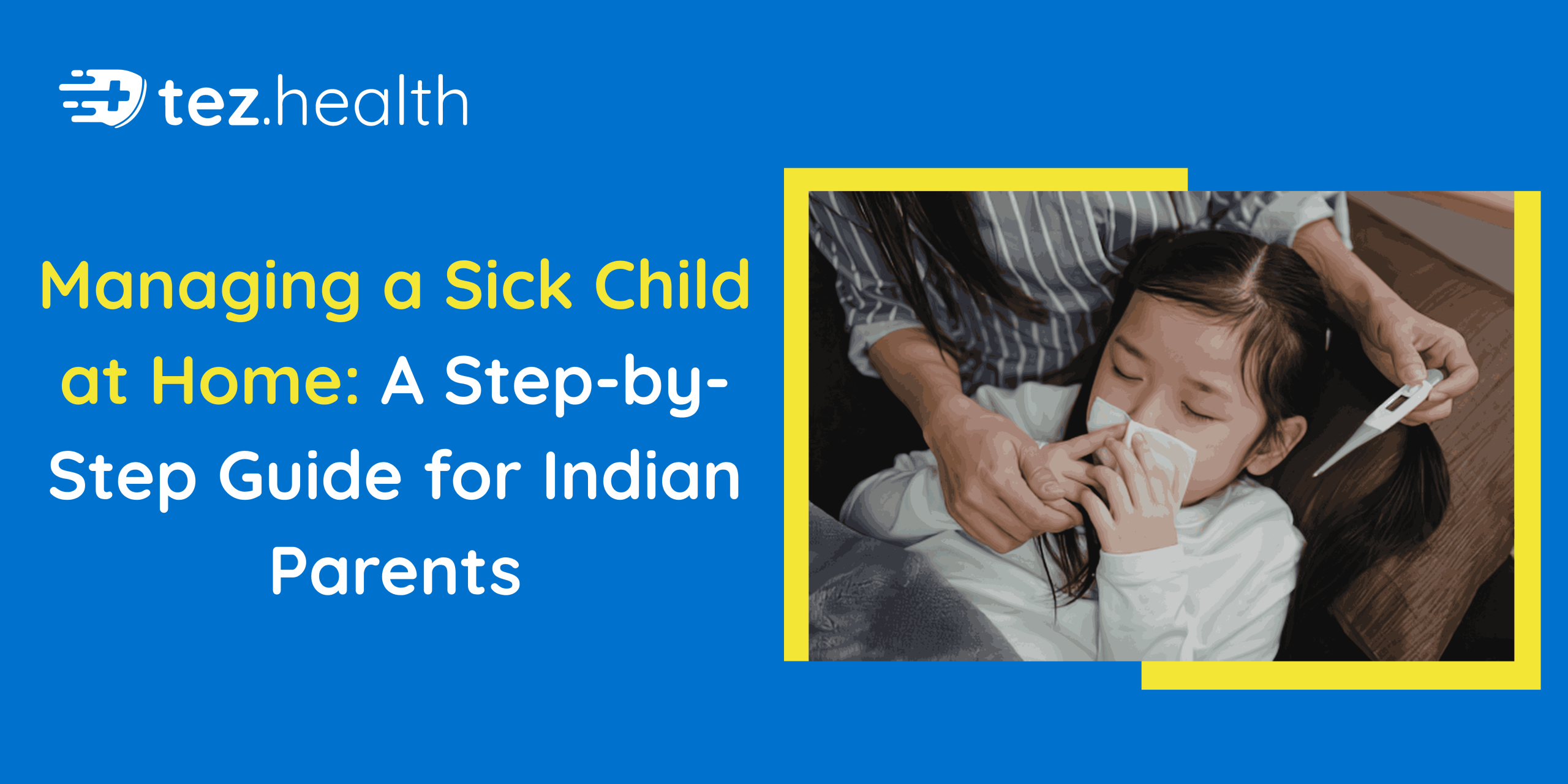
The Managing a Sick Child at Home: A Step-by-Step Guide for Indian Parents is designed to help caregivers confidently handle common childhood illnesses at home while knowing when to seek medical help. Children frequently fall sick due to infections, seasonal changes, and developing immunity. While most illnesses are mild and manageable at home, timely care and observation are essential to prevent complications. In urban environments like Bangalore, where parents often balance work and caregiving, having a clear, structured approach to home care can make a significant difference in a child’s recovery and comfort.
Understanding Common Childhood Illnesses
Children commonly experience:
- Fever
- Cold and cough
- Vomiting and diarrhea
- Minor infections
- Fatigue and weakness
These are often caused by viral infections and typically resolve within a few days with proper care.
Step 1: Stay Calm and Assess the Situation
The first step is to remain calm and evaluate your child’s condition.
Check for:
- Temperature
- Activity level
- Appetite
- Breathing pattern
Understanding the severity helps decide the next steps.
Step 2: Monitor Body Temperature
Fever is one of the most common symptoms.
What to Do:
- Use a digital thermometer
- Check temperature every 4–6 hours
When It’s Concerning:
- Persistent high fever
- Fever lasting more than 2–3 days
Step 3: Ensure Proper Hydration
Hydration is critical during illness.
Fluids to Offer:
- Water
- Breast milk or formula (for infants)
- Oral rehydration solutions
Signs of Dehydration:
- Dry mouth
- Reduced urination
- Sunken eyes
Immediate attention is required if dehydration signs appear.
Step 4: Provide Rest and Comfort
Rest allows the body to heal.
Tips:
- Ensure a quiet environment
- Allow the child to sleep as needed
- Avoid overstimulation
Step 5: Manage Fever Safely
Methods:
- Use prescribed medications like paracetamol
- Lukewarm sponge baths
- Light clothing
Avoid cold water baths or overdressing.
Step 6: Offer Light and Nutritious Food
During illness, appetite may reduce.
Recommended Foods:
- Soups
- Khichdi
- Fruits
- Yogurt
Avoid oily or heavy meals.
Step 7: Maintain Hygiene
Good hygiene prevents infections from spreading.
Practices:
- Wash hands frequently
- Keep the child’s surroundings clean
- Use clean utensils
Step 8: Watch for Warning Signs
While most illnesses are mild, certain symptoms require attention.
Warning Signs:
- Difficulty breathing
- Persistent vomiting
- Severe diarrhea
- High fever
- Unusual drowsiness
Conditions like Dengue or Pneumonia may require immediate medical care.
Step 9: Avoid Self-Medication
Do not give:
- Antibiotics without prescription
- Adult medications
- Unverified home remedies
Always consult a healthcare professional.
Step 10: Track Symptoms and Progress
Keep a record of:
- Temperature
- Food intake
- Medication timing
- Symptoms
This helps doctors if consultation is needed.
Step 11: Use Home Healthcare Services
In Bangalore, home healthcare services can provide:
- Doctor consultations
- Nurse visits
- Basic tests at home
This ensures timely care without hospital visits.
Step 12: Know When to Call a Doctor
Contact a doctor if:
- Symptoms worsen
- Fever persists beyond 3 days
- Child refuses fluids
- Breathing difficulty occurs
Managing Specific Symptoms at Home
Fever
- Monitor temperature
- Provide fluids
- Use medication if needed
Cold and Cough
- Keep the child warm
- Use steam inhalation (if age-appropriate)
- Ensure hydration
Vomiting
- Offer small sips of fluids
- Avoid solid foods initially
Diarrhea
- Use oral rehydration solutions
- Prevent dehydration
Emotional Support for a Sick Child
Children need reassurance during illness.
How to Help:
- Stay close and attentive
- Comfort them
- Maintain a calm environment
Common Mistakes Parents Should Avoid
- Ignoring symptoms
- Overmedicating
- Not ensuring hydration
- Delaying medical consultation
Preventing Illness in Children
Tips:
- Ensure vaccinations are up to date
- Maintain hygiene
- Provide balanced nutrition
- Encourage outdoor play
Role of Nutrition in Recovery
Nutrition plays a key role in healing.
Include:
- Protein-rich foods
- Fruits and vegetables
- Fluids
Importance of Sleep
Adequate sleep supports:
- Immune function
- Faster recovery
- Better energy levels
Why Home Care Is Important
Home care:
- Reduces stress for the child
- Prevents unnecessary hospital visits
- Allows better monitoring
When Hospital Care Is Necessary
Immediate hospital care is required if:
- Severe dehydration
- Continuous vomiting
- Seizures
- Difficulty breathing
Why Awareness Matters in Urban India
In cities like Bangalore:
- Fast-paced life delays care
- Pollution increases illness risk
- Awareness improves outcomes
Conclusion
The Managing a Sick Child at Home: A Step-by-Step Guide for Indian Parents empowers parents to handle common illnesses safely and effectively. By following a structured approach—monitoring symptoms, ensuring hydration, providing nutrition, and recognizing warning signs—parents can support their child’s recovery at home. With access to home healthcare services in Bangalore, timely medical support is always within reach. Staying informed and prepared is the key to ensuring your child’s health and well-being.
Frequently Asked Questions on Managing a Sick Child at Home: A Step-by-Step Guide for Indian Parents
1. What should I do first when my child falls sick?
Stay calm and assess symptoms.
2. How do I manage fever at home?
Use medication, hydration, and rest.
3. When should I call a doctor?
If symptoms persist or worsen.
4. Can I give antibiotics?
Only if prescribed.
5. What foods should I give?
Light and nutritious foods.
6. How do I prevent dehydration?
Offer fluids regularly.
7. Is rest important?
Yes, it aids recovery.
8. Can I use home remedies?
Only safe and doctor-approved ones.
9. What are warning signs?
Breathing issues, high fever, vomiting.
10. Are home healthcare services useful?
Yes, for convenient care.
11. How can I prevent illness?
Hygiene and proper nutrition.
12. When is hospital care needed?
In emergencies or severe symptoms.