
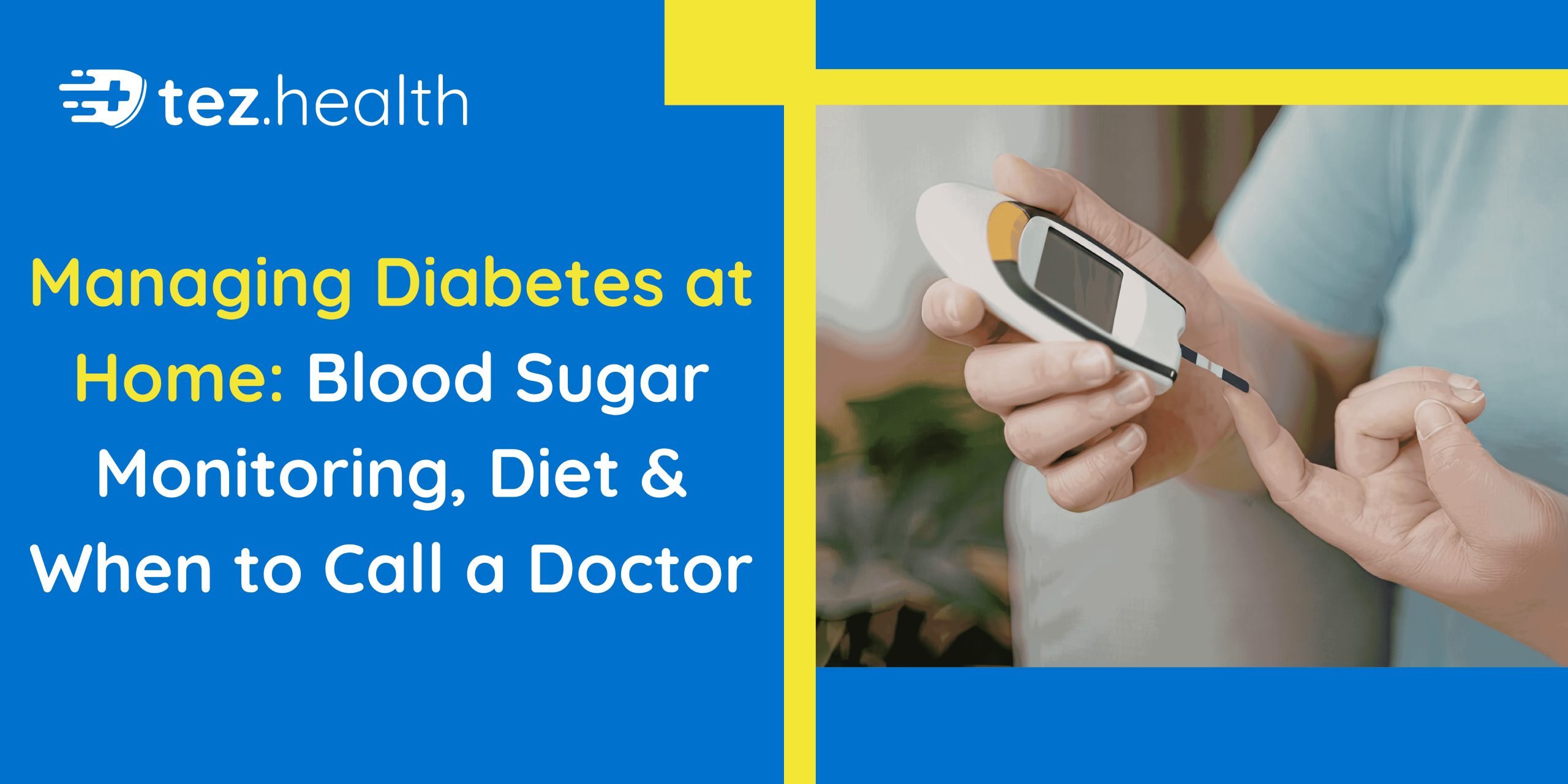
The Managing Diabetes at Home: Blood Sugar Monitoring, Diet & When to Call a Doctor guide is designed to help individuals and families take control of diabetes with confidence. With the rising prevalence of diabetes in urban populations, especially in cities like Bangalore, home-based management has become essential for maintaining stable blood sugar levels and preventing complications. This comprehensive guide covers monitoring techniques, dietary strategies, lifestyle changes, and clear signs of when medical attention is needed.
What Is Diabetes?
Diabetes is a chronic condition that affects how your body processes blood sugar (glucose). It occurs when the body either does not produce enough insulin or cannot use it effectively.
Common Types of Diabetes:
- Type 1 Diabetes – The body does not produce insulin
- Type 2 Diabetes – The body becomes resistant to insulin
- Gestational Diabetes – Occurs during pregnancy
Proper management is key to preventing long-term complications.
Why Managing Diabetes at Home Is Important
Effective home management helps:
- Maintain stable blood sugar levels
- Prevent complications like heart disease and kidney damage
- Reduce hospital visits
- Improve quality of life
In cities like Bangalore, where busy lifestyles can affect health routines, structured home care becomes even more important.
Blood Sugar Monitoring at Home
Regular monitoring is the foundation of diabetes management.
1. Using a Glucometer
A glucometer is a portable device used to check blood sugar levels.
Steps:
- Wash hands thoroughly
- Insert a test strip into the glucometer
- Prick your finger with a lancet
- Place a drop of blood on the strip
- Read the result
2. When to Check Blood Sugar
- Before meals
- After meals
- Before bedtime
- As advised by your doctor
3. Normal Blood Sugar Levels
| Time | Normal Range |
| Fasting | 70–100 mg/dL |
| After Meals | Below 140 mg/dL |
(Targets may vary based on individual conditions.)
4. Continuous Glucose Monitoring (CGM)
CGM is Advanced device that tracks glucose levels continuously and provide real-time insights.
Diet for Managing Diabetes
Diet plays a crucial role in controlling blood sugar.
1. Foods to Include
- Whole grains (brown rice, oats)
- Leafy vegetables
- Fruits with low glycemic index
- Lean proteins (eggs, legumes)
- Nuts and seeds
2. Foods to Avoid
- Sugary drinks
- Processed foods
- Refined carbohydrates
- Excess fried foods
3. Meal Planning Tips
- Eat small, frequent meals
- Maintain consistent meal timings
- Balance carbohydrates with protein and fiber
Importance of Exercise
Physical activity helps improve insulin sensitivity.
Recommended Activities:
- Walking
- Cycling
- Yoga
- Light strength training
Aim for at least 30 minutes daily.
Medication Management
Some individuals may require:
- Oral medications
- Insulin injections
Tips:
- Follow prescribed dosage
- Do not skip medications
- Monitor blood sugar regularly
Recognizing High and Low Blood Sugar
High Blood Sugar (Hyperglycemia):
- Frequent urination
- Increased thirst
- Fatigue
- Blurred vision
Low Blood Sugar (Hypoglycemia):
- Sweating
- Shakiness
- Dizziness
- Confusion
Immediate action is required in both cases.
When to Call a Doctor
Seek medical help if:
- Blood sugar levels remain consistently high or low
- You experience severe symptoms
- There are signs of infection
- You have difficulty managing medication
- There is sudden weight loss or fatigue
In Bangalore, home healthcare services can also assist with monitoring and support.
Diabetes Complications to Watch For
Uncontrolled diabetes can lead to:
- Heart disease
- Kidney damage
- Nerve damage
- Vision problems
- Foot complications
Regular monitoring helps prevent these issues.
Daily Routine for Diabetes Management
Morning:
- Check fasting blood sugar
- Take medications
Afternoon:
- Balanced meals
- Light physical activity
Evening:
- Monitor post-meal sugar
- Stay active
Night:
- Check blood sugar if needed
- Prepare for next day
Consistency is key.
Role of Home Healthcare Services
In cities like Bangalore, home healthcare services offer:
- Blood sugar monitoring
- Nurse visits
- Diet consultation
- Medication management
This ensures better control and convenience.
Tips for Caregivers
- Help maintain a routine
- Monitor symptoms
- Encourage healthy habits
- Ensure medication adherence
- Provide emotional support
Caregivers play a vital role in diabetes management.
Common Mistakes to Avoid
- Skipping meals
- Ignoring blood sugar checks
- Not following medication schedule
- Consuming high-sugar foods
- Avoiding physical activity
Avoiding these mistakes improves long-term outcomes.
Emotional and Mental Health
Living with diabetes can be challenging.
Tips:
- Stay positive
- Join support groups
- Practice stress management
- Seek professional help if needed
Mental well-being is an important part of overall health.
Why Diabetes Awareness Matters
With increasing cases in urban areas like Bangalore, awareness helps:
- Early diagnosis
- Better management
- Reduced complications
- Improved quality of life
Conclusion
The Managing Diabetes at Home: Blood Sugar Monitoring, Diet & When to Call a Doctor guide emphasizes the importance of consistent care, healthy lifestyle choices, and timely medical support. Managing diabetes at home is achievable with the right knowledge and routine. With accessible healthcare services in Bangalore, patients can maintain control over their condition and lead a healthy life. Stay proactive, stay informed, and prioritize your health every day.
Frequently Asked Questions on Managing Diabetes at Home: Blood Sugar Monitoring Diet & When to Call a Doctor.
1. How often should I check my blood sugar?
As recommended by your doctor, usually multiple times a day.
2. What is the normal blood sugar range?
Fasting: 70–100 mg/dL; Post-meal: below 140 mg/dL.
3. Can diabetes be managed at home?
Yes, with proper monitoring and lifestyle changes.
4. What foods should diabetics avoid?
Sugary foods, processed snacks, and refined carbs.
5. Is exercise important for diabetes?
Yes, it helps control blood sugar levels.
6. When should I call a doctor?
If blood sugar is consistently abnormal or symptoms worsen.
7. Can stress affect diabetes?
Yes, stress can increase blood sugar levels.
8. Is insulin necessary for all patients?
No, it depends on the type and severity.
9. What are signs of low blood sugar?
Sweating, dizziness, and confusion.
10. Can diabetes cause complications?
Yes, if not managed properly.
11. Is home healthcare helpful?
Yes, it provides convenient monitoring and support.
12. Can diet alone control diabetes?
In some cases, but medical guidance is important.