


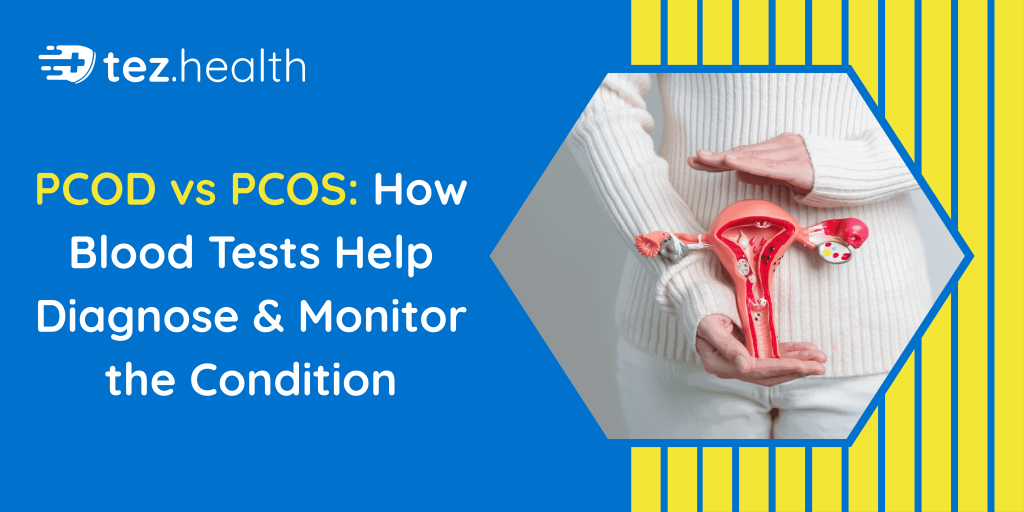
The PCOD vs PCOS: How Blood Tests Help Diagnose & Monitor the Condition is a crucial topic for women’s health, especially as hormonal disorders are becoming increasingly common in urban lifestyles. Many women often confuse PCOD (Polycystic Ovarian Disease) with PCOS (Polycystic Ovary Syndrome), but understanding their differences and how blood tests aid in diagnosis and monitoring is essential for effective management. In fast-paced cities like Bangalore, where stress, diet, and sedentary habits play a major role, early detection through proper testing can significantly improve long-term health outcomes.
Understanding PCOD and PCOS
What is PCOD?
PCOD (Polycystic Ovarian Disease) is a condition where the ovaries release immature or partially mature eggs, which can turn into cysts over time. This can lead to enlarged ovaries and hormonal imbalance.
What is PCOS?
PCOS (Polycystic Ovary Syndrome) is a more complex metabolic and hormonal disorder. It affects not only the ovaries but also the body’s endocrine system, often leading to irregular periods, excess androgen levels, and insulin resistance.
Key Differences Between PCOD and PCOS
| Aspect | PCOD | PCOS |
| Nature | Ovarian disorder | Endocrine syndrome |
| Severity | Less severe | More severe |
| Hormonal imbalance | Mild | Significant |
| Fertility impact | Can conceive with treatment | May require medical intervention |
| Metabolic impact | Minimal | High (includes insulin resistance) |
While both conditions share similarities, PCOS requires more comprehensive management.
Common Symptoms of PCOD and PCOS
Menstrual Irregularities
- Irregular periods
- Missed cycles
- Heavy or prolonged bleeding
Physical Symptoms
- Weight gain
- Acne
- Hair thinning
- Excess facial or body hair (hirsutism)
Metabolic Symptoms (more common in PCOS)
- Insulin resistance
- Difficulty losing weight
- Fatigue
Women in urban areas like Bangalore often experience these symptoms due to lifestyle factors.
Causes and Risk Factors
The exact cause of PCOD and PCOS is not fully understood, but several contributing factors include:
- Hormonal imbalance
- Genetics
- Insulin resistance
- Poor diet
- Sedentary lifestyle
- Stress
These factors are increasingly prevalent in modern urban living.
Why Blood Tests Are Important
Blood tests play a critical role in diagnosing and monitoring PCOD and PCOS.
1. Confirm Diagnosis
Helps differentiate between PCOD and PCOS.
2. Assess Hormonal Imbalance
Measures key hormone levels.
3. Detect Underlying Conditions
Identifies issues like insulin resistance and thyroid disorders.
4. Monitor Treatment Progress
Tracks improvement over time.
Key Blood Tests for PCOD and PCOS
1. Hormonal Profile
2. Testosterone Levels
- Elevated in PCOS
- Responsible for symptoms like acne and excess hair growth
3. Insulin and Blood Sugar Tests
- Fasting insulin
- Fasting blood glucose
- HbA1c
Helps detect insulin resistance, especially in PCOS.
4. Thyroid Function Test
- TSH, T3, T4 Thyroid disorders can mimic or worsen PCOS symptoms.
5. Lipid Profile
- Cholesterol levels
- Triglycerides
PCOS is often associated with increased cardiovascular risk.
6. Prolactin Test
Elevated prolactin can cause irregular periods and needs to be ruled out.
Role of Ultrasound Alongside Blood Tests
While blood tests provide hormonal insights, pelvic ultrasound helps in:
- Detecting cysts in ovaries
- Assessing ovarian size
- Supporting diagnosis
Both tests together give a comprehensive understanding.
How Blood Tests Help Monitor the Condition
Once diagnosed, regular blood tests help in:
-
Tracking Hormone Levels: Ensures treatment is effective.
-
Monitoring Insulin Resistance: Helps prevent diabetes.
-
Evaluating Medication Response: Adjustments can be made based on results.
Home Blood Testing in Bangalore
With advancements in healthcare, women can now opt for home blood testing services in Bangalore.
How It Works:
- Book tests online
- Choose a convenient time
- A trained phlebotomist visits your home
- Blood samples are collected safely
- Reports are delivered digitally
Benefits of Home Testing
- Convenience and privacy
- No need to visit clinics
- Time-saving
- Comfortable for working professionals
- Ideal for regular monitoring
This is especially useful for women managing PCOD or PCOS long-term.
Lifestyle Management for PCOD and PCOS
1. Healthy Diet
- Reduce processed foods
- Include whole grains, fruits, and vegetables
2. Regular Exercise
- Helps manage weight and insulin resistance
3. Stress Management
- Yoga, meditation, and relaxation techniques
4. Weight Management
Even small weight loss can improve symptoms significantly.
5. Medical Treatment
- Hormonal therapy
- Insulin-sensitizing medications
- Supplements
Importance of Early Diagnosis
Early detection through blood tests can help:
- Prevent complications
- Improve fertility outcomes
- Reduce risk of diabetes and heart disease
- Enhance quality of life
Women in cities like Bangalore should prioritize regular screening due to lifestyle risks.
PCOD vs PCOS: Long-Term Health Implications
PCOD:
- Manageable with lifestyle changes
- Lower risk of complications
PCOS:
- Higher risk of:
- Type 2 diabetes
- Cardiovascular disease
- Infertility
Regular monitoring is essential for both conditions.
Conclusion
The PCOD vs PCOS: How Blood Tests Help Diagnose & Monitor the Condition highlights the importance of understanding these common hormonal disorders and the role of diagnostic testing in managing them effectively. Blood tests not only help in accurate diagnosis but also play a key role in long-term monitoring and treatment planning. With easy access to home testing services in Bangalore, women can take proactive steps toward better hormonal health and overall well-being.
Frequently Asked Questions on PCOD vs PCOS: How Blood Tests Help Diagnose & Monitor the Condition.
1. What is the difference between PCOD and PCOS?
PCOD is a milder ovarian condition, while PCOS is a more complex hormonal disorder.
2. Can blood tests alone diagnose PCOS?
Blood tests are essential but are usually combined with ultrasound for confirmation.
3. Which hormone is elevated in PCOS?
Testosterone and LH levels are often elevated.
4. Is PCOS curable?
It is manageable but not completely curable.
5. Can PCOD turn into PCOS?
They are different conditions, but symptoms may overlap.
6. How often should I get tested?
Every 3–6 months or as advised by your doctor.
7. Is home testing reliable?
Yes, if done through certified labs.
8. Can PCOS affect fertility?
Yes, but treatment can improve chances of conception.
9. Does weight loss help in PCOS?
Yes, it can significantly improve symptoms.
10. Are irregular periods always due to PCOS?
No, other conditions like thyroid issues can also cause them.
11. Can teenagers have PCOS?
Yes, it can develop during adolescence.
12. What lifestyle changes help manage PCOS?
Healthy diet, exercise, and stress management are key.