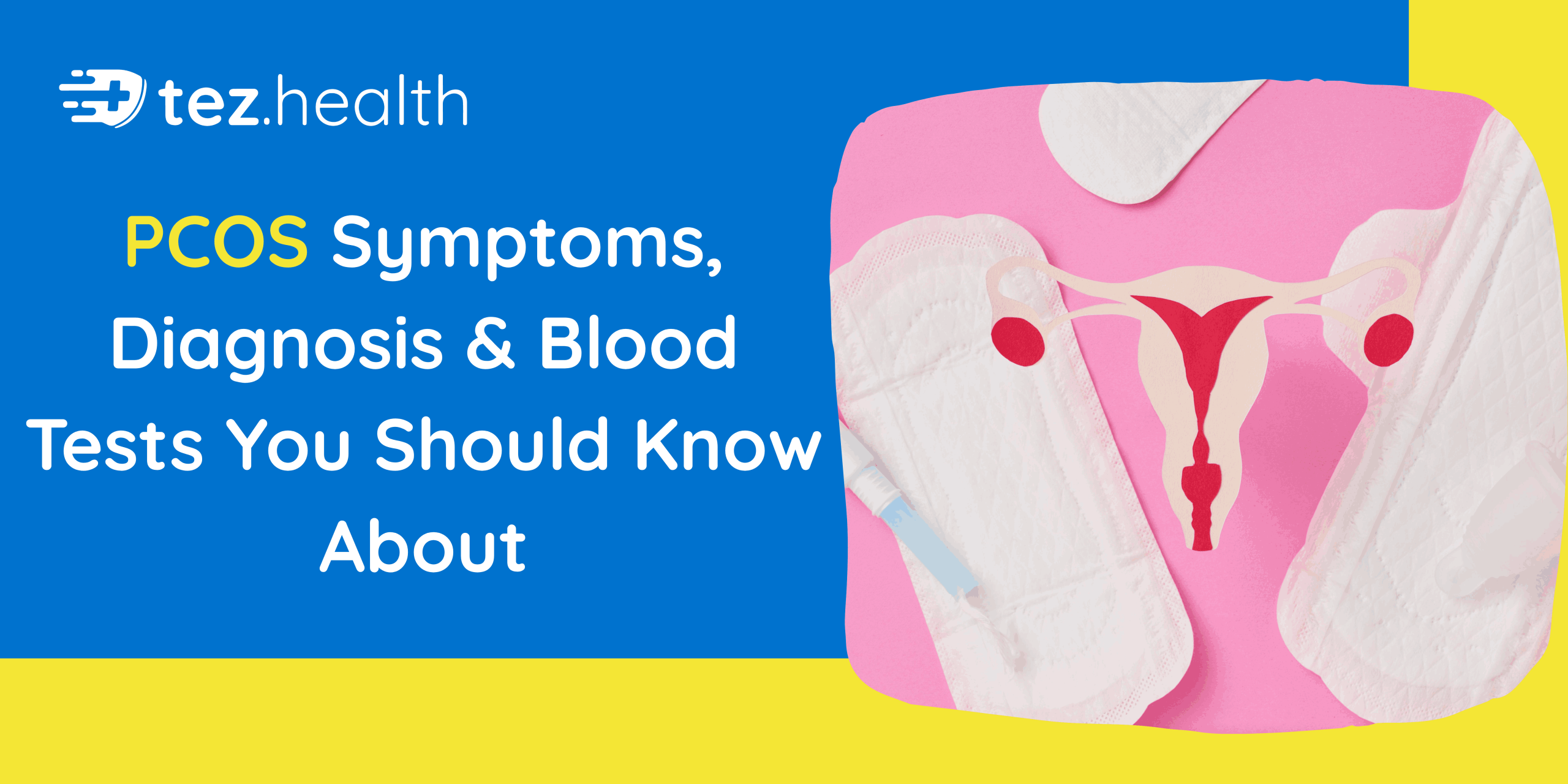
The PCOS Symptoms, Diagnosis & Blood Tests You Should Know About guide is designed to help women understand one of the most common hormonal conditions affecting reproductive health today. Polycystic Ovary Syndrome (PCOS) impacts millions of women globally, especially in urban populations like Bangalore, where lifestyle, stress, and dietary patterns play a significant role. This comprehensive blog covers symptoms, causes, diagnosis, essential blood tests, and how early detection can help manage the condition effectively.
What Is PCOS?
Polycystic Ovary Syndrome (PCOS) is a hormonal disorder that affects how the ovaries function. It is characterized by:
- Irregular menstrual cycles
- Excess androgen (male hormone) levels
- Polycystic ovaries (multiple small follicles)
PCOS is not just a reproductive issue—it also affects metabolism, weight, and long-term health.
What Causes PCOS?
The exact cause is unknown, but several factors contribute:
1. Hormonal Imbalance
Excess androgen levels interfere with ovulation.
2. Insulin Resistance
The body’s inability to use insulin effectively increases blood sugar and hormone imbalance.
3. Genetics
Family history plays a role.
4. Lifestyle Factors
Sedentary lifestyle, poor diet, and stress contribute significantly, especially in cities like Bangalore.
Common Symptoms of PCOS
Symptoms can vary from mild to severe.
1. Irregular Periods
- Missed or delayed cycles
- Heavy or prolonged bleeding
2. Excess Hair Growth (Hirsutism)
- Hirsutium is excess of Facial hair
- Chest or back hair
3. Acne and Oily Skin
Due to increased androgen levels.
4. Weight Gain
Especially around the abdomen.
5. Hair Thinning
Scalp hair loss similar to male-pattern baldness.
6. Difficulty Getting Pregnant
Irregular ovulation affects fertility.
7. Dark Skin Patches
Especially around the neck and underarms (acanthosis nigricans).
Long-Term Health Risks of PCOS
If untreated, PCOS can lead to:
- Type 2 Diabetes
- Hypertension
- Heart disease
- Infertility
- Endometrial issues
How Is PCOS Diagnosed?
There is no single test for PCOS. Diagnosis involves a combination of:
1. Medical History
- Menstrual irregularities
- Symptoms
2. Physical Examination
- Weight, skin, hair growth
3. Ultrasound
- To check ovaries for cysts
4. Proper Blood Tests
- Essential for confirming hormonal imbalance.
Blood Test You Should Know About for PCOS
Blood test play a crucial role in diagnosis and monitoring.
1. Hormone Panel
Measures levels of key hormones:
- Luteinizing Hormone (LH)
- Follicle-Stimulating Hormone (FSH)
- Estrogen
- Progesterone
2. Testosterone Test
Checks androgen levels, which are usually elevated in PCOS.
3. Thyroid Function Test
Thyroid function test rules out Thyroid disorders that may mimic PCOS symptoms.
4. Blood Sugar Tests
Includes:
- Fasting blood sugar
- HbA1c
Helps detect insulin resistance.
5. Lipid Profile
Lipid profile test checks cholesterol levels to assess heart risk.
6. Prolactin Test
Elevated levels may cause menstrual irregularities.
Importance of Early Diagnosis
Early detection helps:
- Manage symptoms effectively
- Prevent complications
- Improve fertility outcomes
- Maintain hormonal balance
Lifestyle Management for PCOS
Lifestyle changes are the first line of treatment.
1. Healthy Diet
Include:
- Whole grains
- Lean protein
- Fruits and vegetables
Avoid:
- Sugary foods
- Processed items
2. Regular Exercise
- Improves insulin sensitivity
- Helps in weight management
3. Weight Management
Even a small weight loss can improve symptoms.
4. Stress Management
- Yoga
- Meditation
- Adequate sleep
Medical Treatment Options
Depending on symptoms, doctors may recommend:
- Hormonal medications
- Birth control pills
- Insulin-sensitizing drugs
Always follow medical advice.
Role of Regular Testing
Regular blood tests help:
- Monitor hormone levels
- Track treatment progress
- Detect complications early
In Bangalore, home sample collection services make testing convenient.
PCOS and Fertility
PCOS can affect ovulation, but many women conceive with proper treatment and lifestyle changes.
Emotional Impact of PCOS
PCOS can affect mental health.
Common Issues:
- Anxiety
- Depression
- Low self-esteem
What Helps:
- Support groups
- Counseling
- Open communication
Common Myths About PCOS
Myth1: PCOS only affects overweight women
Fact: It can affect women of all body types.
Myth2: PCOS means infertility
Fact: Many women conceive successfully.
Myth3: PCOS is rare
Fact: It is very common.
When to See a Doctor
Consult a doctor if:
- Periods are irregular
- Excess hair growth or acne appears
- Difficulty conceiving
- Sudden weight gain
Why Awareness Matters
In urban areas like Bangalore:
- Lifestyle factors increase risk
- Early screening is often ignored
- Awareness helps early intervention
Conclusion
The PCOS Symptoms, Diagnosis & Blood Tests You Should Know About guide highlights the importance of understanding symptoms, getting the right tests, and taking proactive steps toward managing PCOS. With early diagnosis, proper treatment, and lifestyle changes, women can effectively control symptoms and lead a healthy life. Access to diagnostic services in Bangalore makes it easier than ever to stay on top of your health.
Frequently Asked Questions on PCOS Symptoms, Diagnosis & Blood Tests You Should Know About
1. What is PCOS?
A hormonal disorder affecting ovarian function.
2. What are common symptoms?
Irregular periods, acne, and weight gain.
3. Can PCOS be cured?
No, but it can be managed.
4. Which tests diagnose PCOS?
Hormone tests, blood sugar, and ultrasound.
5. Is PCOS related to diabetes?
Yes, due to insulin resistance.
6. Can diet help PCOS?
Yes, a healthy diet improves symptoms.
7. Is exercise important?
Yes, it helps regulate hormones.
8. Can PCOS affect fertility?
Yes, but treatment can help.
9. How often should I test?
As advised by your doctor.
10. Can stress worsen PCOS?
Yes, it affects hormone balance.
11. Is PCOS genetic?
It can run in families.
12. Are medications necessary?
Depends on symptoms.
13. Can lean women have PCOS?
Yes, weight is not the only factor.
14. Is PCOS lifelong?
It requires long-term management.
15. Are home tests available?
Yes, many labs offer home collection.