


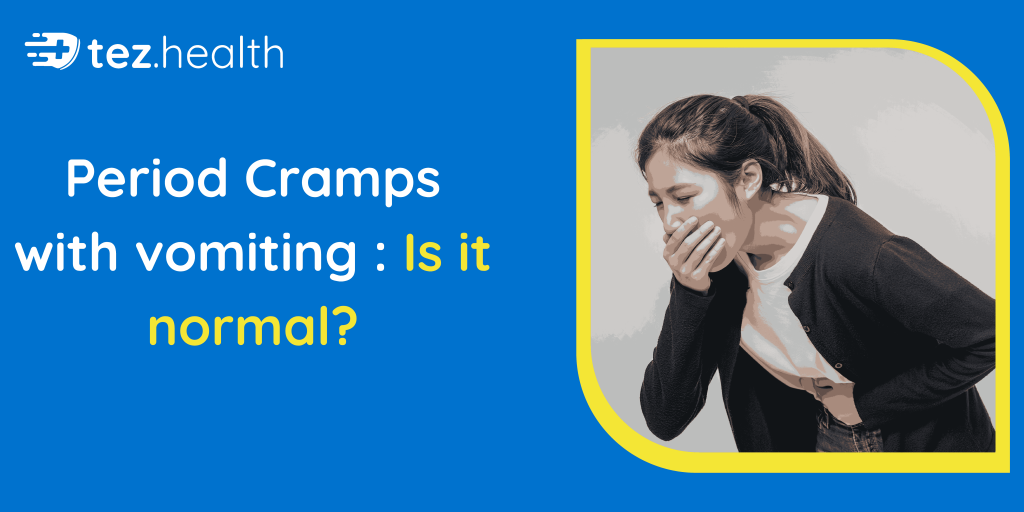
For many women, periods come with discomfort. Mild cramps, fatigue, mood changes, and bloating are common. But when period pain becomes so intense that it causes vomiting, dizziness, or weakness, it raises an important question:
Is this still normal, or is something wrong?
The short answer: Vomiting during periods can happen — but severe symptoms should never be ignored. Understanding why it happens and when to seek medical care is essential for long-term health and comfort.
This detailed guide will help you understand the causes, warning signs, treatment options, and when to consult a healthcare professional.
Understanding Period Cramps (Dysmenorrhea)
Period cramps, medically called dysmenorrhea, occur due to contractions of the uterus. During menstruation, the body releases hormone-like substances called prostaglandins. These chemicals trigger the uterus to contract so it can shed its lining.
The stronger the uterine contractions, the more intense the cramps.
In many women, these cramps are manageable. However, in some, high prostaglandin levels can cause additional symptoms beyond pelvic pain.
Why Do Some Women Vomit During Periods?
Vomiting during menstruation is usually linked to high prostaglandin levels.
Here’s how it works:
- Prostaglandins trigger uterine contractions.
- They also enter the bloodstream.
- These chemicals affect the digestive tract.
- The stomach and intestines become more sensitive.
- Nausea, vomiting, diarrhea, and headaches may occur.
So yes — vomiting during periods can be related to normal hormonal changes.
However, severity matters.
When Is Vomiting During Periods Considered Normal?
Mild nausea or one episode of vomiting on the first day of periods can occur in some women, especially:
- Teenagers
- Women with strong cramps
- Those with heavy bleeding
- Individuals sensitive to hormonal shifts
If:
- Symptoms occur only during the first 1–2 days
- They improve with pain relief medication
- There are no other alarming symptoms
- Daily functioning is not severely affected
It may fall under primary dysmenorrhea, which is painful periods without an underlying disease.
But if vomiting is severe, repeated, or worsening over time, further evaluation is necessary.
Primary vs Secondary Dysmenorrhea
Understanding this difference is critical.
Primary Dysmenorrhea
- Begins within a few years of starting menstruation
- No underlying pelvic disease
- Pain typically starts just before or at the beginning of bleeding
- Improves with age or after childbirth
Secondary Dysmenorrhea
- Caused by underlying medical conditions
- Pain may worsen over time
- Often begins later in life
- May be associated with abnormal bleeding
Vomiting that becomes more intense over time may signal secondary causes.
Conditions That Can Cause Severe Period Pain With Vomiting
1. Endometriosis
Endometriosis occurs when tissue similar to the uterine lining grows outside the uterus.
Symptoms may include:
- Severe cramping
- Pain before and during periods
- Pain during intercourse
- Heavy bleeding
- Nausea and vomiting
Pain from endometriosis tends to worsen over time and does not respond easily to basic painkillers.
- Adenomyosis
This condition occurs when the uterine lining grows into the muscular wall of the uterus.
It can cause:
- Heavy, prolonged bleeding
- Severe cramping
- Pelvic pressure
- Nausea during intense pain episodes
- Uterine Fibroids
Fibroids are non-cancerous growths in the uterus.
Depending on their size and location, they may cause:
- Heavy periods
- Severe cramping
- Pelvic discomfort
- Occasional nausea
- Pelvic Inflammatory Disease (PID)
Infections of the reproductive organs can cause:
- Pelvic pain
- Fever
- Abnormal discharge
- Painful periods
- Nausea
This condition requires urgent medical attention.
- Severe Hormonal Imbalance
Hormonal disorders can intensify cramps and digestive symptoms during menstruation.
Women with thyroid issues, PCOS, or irregular cycles may experience stronger menstrual discomfort.
Warning Signs You Should Not Ignore
Seek medical evaluation if:
- Vomiting is persistent or uncontrollable
- You cannot keep fluids down
- Pain is worsening every month
- Periods are unusually heavy
- You feel faint or dizzy
- There is fever
- You miss school or work regularly due to pain
- Over-the-counter painkillers do not help
Severe dehydration due to repeated vomiting can become dangerous, especially in young girls or working women who delay treatment.
Why Vomiting Can Lead to Dehydration
Repeated vomiting during periods can cause:
- Fluid loss
- Electrolyte imbalance
- Weakness
- Low blood pressure
- Headache
- Fatigue
If vomiting continues beyond a few hours, rehydration becomes essential.
In some cases, medical support such as oral rehydration or IV fluids may be required to stabilize the body.
How Is Severe Period Pain Evaluated?
A doctor may recommend:
- Detailed menstrual history
- Physical examination
- Ultrasound scan of the pelvis
- Blood tests
- Hormonal evaluation
These tests help rule out structural or hormonal causes.
Never assume that “painful periods are normal” if symptoms interfere with daily life.
How to Manage Period Cramps With Vomiting
Management depends on severity.
1. Pain Relief Medication
Nonsteroidal anti-inflammatory drugs (NSAIDs) reduce prostaglandin production and help relieve both pain and nausea.
They work best when taken:
- At the start of cramps
- Or even one day before expected periods (if cycles are regular)
Always take medication under proper guidance.
- Heat Therapy
Applying a heating pad to the lower abdomen relaxes uterine muscles and reduces pain intensity.
This simple method can significantly reduce discomfort in many women.
- Hydration
Even if vomiting occurs, take small sips of:
- Water
- Oral rehydration solution
- Coconut water (in moderation)
Avoid:
- Excess caffeine
- Spicy foods
- Oily meals during periods
- Rest and Light Movement
While rest is important, gentle stretching or walking can improve blood circulation and reduce cramp severity.
Complete bed rest may sometimes worsen stiffness and discomfort.
- Hormonal Treatment
In cases of severe primary dysmenorrhea or endometriosis, hormonal therapy such as oral contraceptive pills may be prescribed.
These regulate hormonal fluctuations and reduce prostaglandin levels.
Medical supervision is necessary for this option.
Can Teenagers Experience Vomiting During Periods?
Yes.
Teenage girls often experience stronger cramps due to higher prostaglandin levels.
However:
- If vomiting is extreme
- If they miss school every month
- If pain is unbearable
Medical evaluation should not be delayed.
Normalizing extreme pain can delay diagnosis of treatable conditions.
Emotional Impact of Severe Period Symptoms
Severe menstrual symptoms can:
- Affect work productivity
- Reduce school attendance
- Cause anxiety about upcoming cycles
- Impact mental health
Periods should not disrupt quality of life to a severe extent. If they do, it’s a medical issue — not something to silently tolerate.
When Home Care Is Appropriate
Home care may be sufficient if:
- Vomiting occurs once or twice
- Pain improves with medication
- Hydration is maintained
- There is no fever
- Bleeding is normal
However, medical support is required if symptoms escalate or do not improve.
Long-Term Prevention Strategies
- Maintain a balanced diet
- Exercise regularly
- Reduce stress
- Get adequate sleep
- Avoid smoking
- Track menstrual cycles
Lifestyle plays a strong role in menstrual health.
The Most Important Takeaway
Mild nausea during periods can be normal. Severe vomiting with intense cramps is not something you should ignore.
Pain that:
- Worsens over time
- Disrupts daily activities
- Requires repeated emergency visits
- Does not respond to basic treatment
needs proper evaluation.
Menstrual health is a vital part of overall health. Suffering in silence is not a solution.
Conclusion
Period cramps with vomiting can be part of hormonal changes, especially in young women. However, when symptoms become severe, frequent, or disabling, they may signal underlying conditions such as endometriosis, fibroids, or hormonal imbalance.
The key is recognizing the difference between manageable discomfort and medically significant pain.
Listen to your body. Monitor patterns. Seek timely medical guidance.
Periods should not control your life — and effective treatment options are available.
If symptoms are affecting your daily routine, don’t normalize the pain. Early care can significantly improve quality of life and prevent complications.
Your menstrual health matters.