


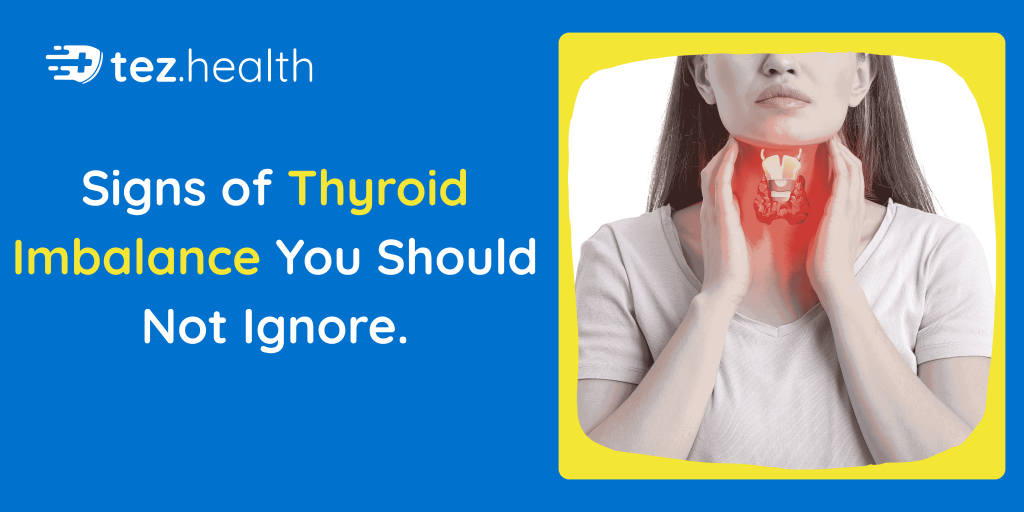
The thyroid is a small, butterfly-shaped gland located in the neck, yet it plays a powerful role in controlling your body’s metabolism, energy levels, and overall hormonal balance.
When the thyroid does not function properly, it can affect almost every system in the body. However, many people ignore early symptoms, assuming they are due to stress, lifestyle, or aging.
So the key question is:
What are the warning signs of thyroid imbalance that you should never ignore?
In this detailed guide, we explain the symptoms, causes, risk factors, diagnosis, and treatment options for thyroid disorders, helping you recognize early signs and take timely action.
What Is Thyroid Imbalance?
Thyroid imbalance occurs when the thyroid gland produces too much or too little thyroid hormone.
There are two main types:
Hypothyroidism (Underactive Thyroid)
The thyroid produces insufficient hormones, slowing down body functions.
Hyperthyroidism (Overactive Thyroid)
The thyroid produces excess hormones, speeding up body processes.
Why Thyroid Health Matters
Thyroid hormones regulate:
- Metabolism
- Heart rate
- Body temperature
- Energy levels
- Brain function
- Hormonal balance
Therefore, even a slight imbalance can lead to noticeable health issues.
Common Signs of Thyroid Imbalance
Symptoms vary depending on whether the thyroid is underactive or overactive. However, many signs often go unnoticed.
1. Persistent Fatigue
Feeling tired despite adequate rest is one of the earliest signs.
- Hypothyroidism → Constant fatigue
- Hyperthyroidism → Fatigue due to overactivity
2. Unexplained Weight Changes
Sudden weight fluctuations without changes in diet or activity can signal thyroid issues.
- Weight gain → Hypothyroidism
- Weight loss → Hyperthyroidism
3. Changes in Heart Rate
Thyroid hormones directly affect the heart.
- Slow heart rate → Hypothyroidism
- Rapid or irregular heartbeat → Hyperthyroidism
4. Hair Thinning and Hair Loss
Thyroid imbalance can disrupt hair growth cycles.
- Hair thinning
- Increased hair fall
- Dry, brittle hair
5. Skin Changes
Skin may reflect thyroid health.
- Dry, rough skin → Hypothyroidism
- Warm, moist skin → Hyperthyroidism
6. Sensitivity to Temperature
Thyroid disorders affect how the body regulates heat.
- Feeling cold easily → Hypothyroidism
- Excess sweating or heat intolerance → Hyperthyroidism
7. Mood Changes and Mental Health Issues
Thyroid imbalance can affect brain function.
- Depression → Hypothyroidism
- Anxiety or irritability → Hyperthyroidism
8. Menstrual Irregularities
Hormonal imbalance can disrupt menstrual cycles.
- Heavy or irregular periods
- Missed periods
- Fertility issues
9. Swelling in the Neck (Goiter)
Enlargement of the thyroid gland may appear as swelling at the base of the neck is termed as Goiter.
10. Digestive Changes
Thyroid hormones influence digestion.
- Constipation → Hypothyroidism
- Frequent bowel movements → Hyperthyroidism
Early Warning Signs Often Ignored
Many symptoms are subtle and easily overlooked.
These include:
- Brain fog
- Slow thinking
- Muscle weakness
- Joint pain
- Hoarseness in voice
- Puffy face
Ignoring these signs can delay diagnosis.
Causes of Thyroid Imbalance
Several factors can affect thyroid function.
Autoimmune Disorders
- Hashimoto’s thyroiditis (hypothyroidism)
- Graves’ disease (hyperthyroidism)
Iodine Imbalance
Both deficiency and excess iodine can affect thyroid function.
Hormonal Changes
Pregnancy and menopause can trigger thyroid issues.
Medications
Certain drugs may interfere with thyroid hormone production.
Genetic Factors
Family history increases risk.
Who Is at Higher Risk?
Some individuals are more likely to develop thyroid disorders.
- Women (especially after 30)
- Elderly individuals
- People with autoimmune diseases
- Pregnant or postpartum women
- Individuals with family history
Complications of Untreated Thyroid Imbalance
Ignoring thyroid problems can lead to serious health issues.
Hypothyroidism Complications
- High cholesterol
- Heart disease
- Infertility
- Severe fatigue
- Myxedema (rare but life-threatening)
Hyperthyroidism Complications
- Heart rhythm problems
- Bone loss (osteoporosis)
- Thyroid storm (medical emergency)
How Thyroid Imbalance Is Diagnosed
Doctors use blood tests to evaluate thyroid function.
Common Tests
- TSH (Thyroid Stimulating Hormone)
- T3 and T4 levels
Additional Tests
- Thyroid antibody tests
- Ultrasound (if swelling is present)
When Should You See a Doctor?
Seek medical advice if you notice:
- Persistent fatigue
- Sudden weight changes
- Hair loss
- Irregular heartbeat
- Menstrual changes
- Neck swelling
Early diagnosis helps prevent complications.
Treatment Options for Thyroid Imbalance
Treatment depends on the type and severity.
Hypothyroidism Treatment
- Thyroid hormone replacement medication
- Regular monitoring
Hyperthyroidism Treatment
- Anti-thyroid medications
- Radioactive iodine therapy
- Surgery (in some cases)
Lifestyle Tips to Support Thyroid Health
Balanced Diet
Include:
- Iodine-rich foods (in moderation)
- Selenium and zinc
- Fresh fruits and vegetables
Regular Exercise
Helps regulate metabolism and energy levels.
Stress Management
Chronic stress can affect hormone balance.
Regular Health Checkups
Early detection is key.
Role of Preventive Healthcare
Routine thyroid screening is especially important for high-risk individuals.
Early detection:
- Prevents complications
- Improves quality of life
- Reduces long-term health risks
Can Thyroid Tests Be Done at Home?
Yes, many healthcare providers offer home blood sample collection.
Benefits include:
- Convenience
- Reduced travel
- Timely testing
- Ideal for elderly patients
Conclusion
Thyroid imbalance is a common yet often overlooked condition that can significantly affect overall health. Symptoms such as fatigue, weight changes, hair loss, and mood disturbances should never be ignored.
Early recognition and timely medical evaluation can prevent serious complications and improve quality of life.
If you notice persistent symptoms, consult a healthcare professional and consider getting your thyroid levels tested. Taking action early can make a significant difference in managing thyroid health effectively.
FAQs on signs of thyroid imbalance you should not ignore
1. What are the early signs of thyroid imbalance?
Fatigue, weight changes, hair loss, and mood swings are common early signs.
2. Can thyroid problems go away on their own?
No, most thyroid conditions require medical treatment and monitoring.
3. Who is most at risk for thyroid disorders?
Women, elderly individuals, and those with family history are at higher risk.
4. Can thyroid imbalance cause weight gain?
Yes, hypothyroidism commonly leads to weight gain.
5. Is hair loss a sign of thyroid problems?
Yes, both hypothyroidism and hyperthyroidism can cause hair thinning.
6. How is thyroid imbalance diagnosed?
Through blood tests measuring TSH, T3, and T4 levels.
7. Can thyroid disorders affect mental health?
Yes, they can cause depression, anxiety, and mood changes.
8. Are thyroid problems permanent?
Some are lifelong but can be managed effectively with treatment.
9. How often should thyroid levels be checked?
As recommended by your doctor, especially if symptoms persist.
10. Can thyroid tests be done at home?
Yes, many providers offer home sample collection for thyroid testing.