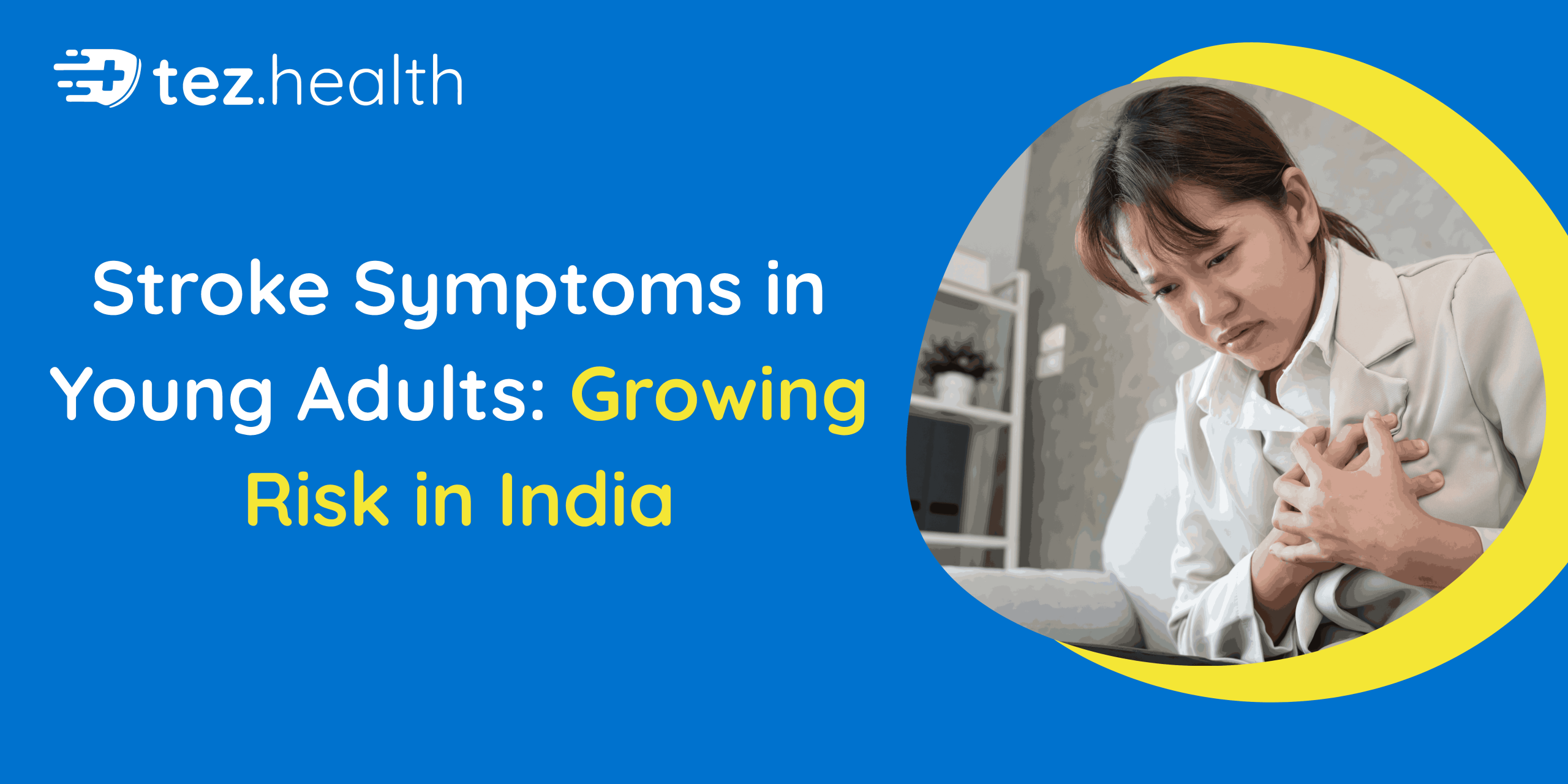
Stroke has traditionally been considered a health condition affecting older adults. However, recent studies and medical reports show a concerning trend—stroke cases are increasing among young adults in India. Individuals in their 20s, 30s, and 40s are increasingly experiencing strokes due to lifestyle changes, rising stress levels, and growing rates of chronic diseases.
This alarming shift highlights the importance of understanding stroke symptoms in young adults, recognizing early warning signs, and adopting preventive lifestyle measures.
Stroke is a medical emergency that occurs when blood flow to the brain is interrupted. Without immediate treatment, brain cells begin to die within minutes, potentially leading to permanent disability or death.
This detailed guide explains what stroke is, why the risk is rising among young adults in India, early warning signs, causes, treatment options, and prevention strategies.
What Is a Stroke?
A stroke occurs when blood supply to a part of the brain is disrupted, depriving brain cells of oxygen and nutrients.
When brain cells are deprived of oxygen, they begin to die quickly. This can lead to loss of movement, speech difficulties, memory problems, and other neurological impairments.
There are two main types of stroke.
Ischemic Stroke
Ischemic Stroke is the most common type of stroke and occurs when a blood clot blocks an artery supplying the brain.
Hemorrhagic Stroke
This type occurs when a blood vessel in the brain ruptures, causing bleeding in the brain.
Both types require immediate medical attention.
Why Stroke Is Increasing Among Young Adults in India
Several factors contribute to the rising stroke risk among younger populations.
Sedentary Lifestyle
Long working hours, desk jobs, and lack of physical activity increase the risk of cardiovascular diseases.
Poor Dietary Habits
Consumption of processed foods, high salt intake, and unhealthy fats can lead to high blood pressure and cholesterol.
Rising Stress Levels
Chronic stress and anxiety can increase blood pressure and damage blood vessels.
Smoking and Alcohol Consumption
These habits significantly increase stroke risk by damaging blood vessels and increasing clot formation.
Increasing Diabetes and Obesity
India has one of the highest rates of diabetes, which is a major risk factor for stroke.
Lack of Health Awareness
Many young adults ignore early symptoms and delay medical checkups.
Early Stroke Symptoms in Young Adults
Recognizing the early symptoms of stroke can save lives.
Sudden Weakness on One Side of the Body
One of the most common symptoms is sudden weakness or numbness in:
- Face
- Arm
- Leg
This usually occurs on one side of the body.
Difficulty Speaking or Understanding Speech
A person experiencing a stroke may suddenly:
- Slur their words
- Struggle to form sentences
- Have trouble understanding others
Facial Drooping
One side of the face may droop or appear uneven.
This is often noticeable when the person tries to smile.
Sudden Vision Problems
Stroke may cause:
- Blurred vision
- Double vision
- Loss of vision in one or both eyes
Severe Headache
A sudden, severe headache with no known cause can indicate a stroke, especially in hemorrhagic strokes.
Loss of Balance or Coordination
Stroke can affect balance and coordination, causing:
- Difficulty walking
- Dizziness
- Sudden loss of balance
Sudden Confusion
Young adults experiencing stroke may appear confused or disoriented.
The FAST Rule for Recognizing Stroke
Doctors often use the FAST method to identify stroke symptoms quickly.
F – Face Drooping
Check if one side of the face droops when the person smiles.
A – Arm Weakness
Ask the person to raise both arms. One arm may drift downward.
S – Speech Difficulty
Speech may sound slurred or unusual.
T – Time to Call Emergency Services
If any of these symptoms appear, immediate medical attention is critical.
Quick action can significantly reduce brain damage.
Risk Factors for Stroke in Young Adults
Several medical and lifestyle factors increase the risk of stroke.
High Blood Pressure
Hypertension is the leading cause of stroke.
High Cholesterol
Excess cholesterol can block arteries supplying the brain.
Diabetes
High blood sugar damages blood vessels and increases clot risk.
Smoking
Smoking thickens blood and damages arteries.
Excess Alcohol Consumption
Heavy drinking increases blood pressure and stroke risk.
Obesity
Excess body weight increases the risk of heart disease and stroke.
Genetic Factors
Family history may increase stroke risk.
Stroke Symptoms That Are Often Ignored by Young Adults
Young adults often dismiss early stroke symptoms as minor health issues.
Commonly ignored symptoms include:
- Persistent headaches
- Fatigue
- Mild numbness
- Temporary vision problems
- Dizziness
- Speech difficulty
Ignoring these signs can delay treatment and worsen outcomes.
Complications of Stroke
If not treated quickly, stroke can cause severe complications.
Paralysis
Stroke may cause partial or complete paralysis.
Speech Disorders
Many patients experience difficulty speaking or understanding language.
Memory Loss
Stroke can affect memory and cognitive abilities.
Emotional Changes
Patients may experience depression or mood changes.
Disability
Severe strokes can lead to permanent physical disability.
Early treatment greatly improves recovery chances.
Importance of Immediate Treatment
Time is critical when treating stroke.
Doctors often refer to stroke treatment as “time is brain”, meaning brain cells die rapidly without oxygen.
Emergency treatments may include:
- Clot-dissolving medications
- Surgery to remove blood clots
- Blood pressure control
- Rehabilitation therapy
Prompt medical care significantly increases survival and recovery rates.
Stroke Prevention for Young Adults
Preventing stroke requires healthy lifestyle choices.
Maintain Healthy Blood Pressure
Regular monitoring helps detect hypertension early.
Eat a Balanced Diet
Focus on foods such as:
- Fruits and vegetables
- Whole grains
- Lean proteins
- Healthy fats
Reduce salt and processed food intake.
Exercise Regularly
Physical activity improves heart health and blood circulation.
Experts recommend at least 150 minutes of moderate exercise per week.
Quit Smoking
Smoking is one of the most preventable causes of stroke.
Limit Alcohol Consumption
Excess alcohol increases stroke risk.
Manage Stress
Stress management techniques such as yoga and meditation help protect heart health.
Importance of Regular Health Checkups
Many stroke risk factors develop silently.
Regular medical checkups can detect early signs of:
- High blood pressure
- High cholesterol
- Diabetes
- Heart disease
Early detection allows timely treatment and reduces stroke risk.
Stroke Recovery and Rehabilitation
Stroke recovery varies depending on its severity.
Rehabilitation programs may include:
- Physical therapy
- Speech therapy
- Occupational therapy
- Psychological counseling
Early rehabilitation helps patients regain independence and improve quality of life.
Conclusion
Stroke is no longer limited to older adults. The rising number of stroke cases among young adults in India is a serious public health concern.
Lifestyle changes, stress, poor diet, and increasing rates of diabetes and hypertension are contributing to this growing risk.
Recognizing early stroke symptoms, seeking immediate medical care, and adopting healthier lifestyle habits can significantly reduce the risk of stroke and improve survival outcomes.
Awareness and prevention are key to protecting brain health and reducing the impact of stroke among younger populations.
FAQs on Stroke in young adults
1. Can young adults have strokes?
Yes. Stroke cases among young adults are increasing due to lifestyle factors, stress, and chronic diseases.
2. What are the early signs of stroke?
Common early symptoms include facial drooping, arm weakness, speech difficulty, dizziness, and sudden vision problems.
3. What causes stroke in young adults?
Causes include high blood pressure, smoking, diabetes, obesity, high cholesterol, and genetic factors.
4. How common is stroke in India?
India has a high burden of stroke cases, and the incidence among young adults is increasing.
5. What should I do if someone shows stroke symptoms?
Seek emergency medical care immediately. Quick treatment can save brain cells and prevent complications.
6. Can stroke symptoms go away on their own?
Sometimes symptoms disappear temporarily, known as a transient ischemic attack (TIA), but this is still a medical emergency.
7. How can young adults prevent stroke?
Maintaining a healthy lifestyle, regular exercise, balanced diet, and avoiding smoking can reduce stroke risk.
8. Does stress increase stroke risk?
Yes. Chronic stress can increase blood pressure and contribute to stroke risk.
9. Is stroke treatable?
Yes. Early treatment improves survival and recovery outcomes.
10. How long does stroke recovery take?
Recovery time varies from weeks to months depending on stroke severity and rehabilitation.