
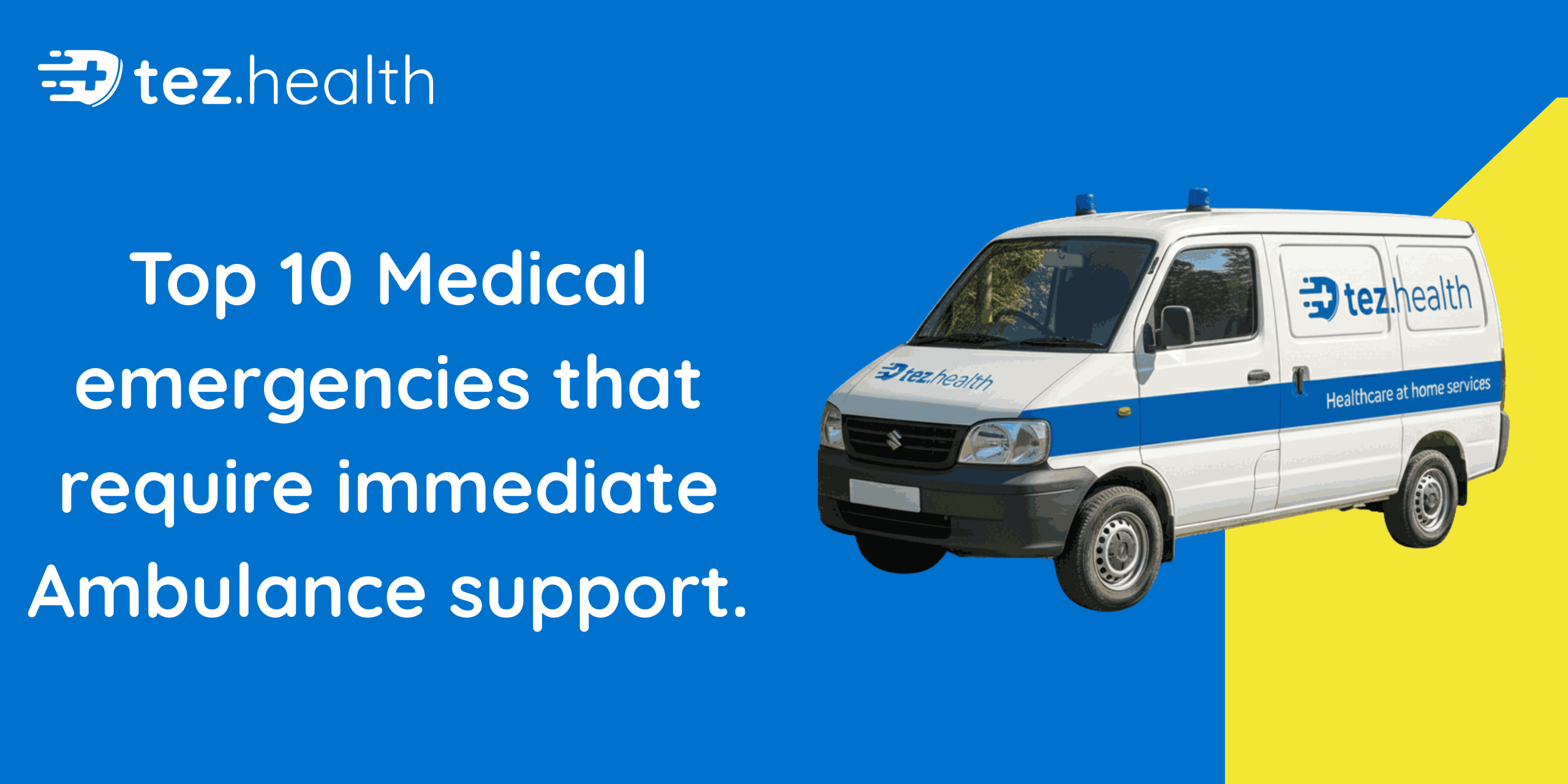
Medical emergencies can unfold within seconds and escalate rapidly if not addressed immediately. In many situations, attempting self-transport or delaying professional help can significantly worsen outcomes. Calling an ambulance is not an overreaction—it is often the most responsible and life-saving decision.
Ambulances are not merely transport vehicles; they are equipped with life-saving equipment, trained paramedics, oxygen support, cardiac monitoring systems, emergency medications, and sometimes even ventilators. Immediate ambulance support ensures that medical care begins the moment professionals arrive—not after reaching the hospital.
This comprehensive guide outlines the top 10 medical emergencies that require immediate ambulance support, explains why they are critical, and highlights the risks of delaying emergency response.
1. Cardiac Arrest
Cardiac arrest is one of the most life-threatening emergencies. It occurs when the heart suddenly stops beating effectively, cutting off blood flow to the brain and vital organs.
Warning Signs:
- Sudden collapse
- No pulse
- No breathing or gasping
- Unconsciousness
Why Immediate Ambulance Support Is Critical:
- Brain damage begins within 4–6 minutes without oxygen.
- Survival decreases by 7–10% every minute without CPR.
- Defibrillation may be required immediately.
An Advanced Life Support (ALS) ambulance can begin CPR, use a defibrillator, administer medications, and stabilize the patient during transport. Self-transport in this scenario is extremely dangerous.
2. Heart Attack (Myocardial Infarction)
A heart attack occurs when blood flow to part of the heart muscle is blocked.
Symptoms:
- Severe chest pain or pressure
- Pain radiating to arm, jaw, or back
- Shortness of breath
- Sweating
- Nausea
Why Ambulance Is Essential:
- Cardiac monitoring begins immediately.
- Oxygen can be administered.
- Emergency medications may be given en route.
- Hospitals can be alerted in advance to prepare the cath lab.
Delays increase heart muscle damage. Early intervention significantly improves survival and reduces long-term complications.
3. Stroke
Stroke occurs when blood supply to the brain is interrupted.
Recognize Using FAST:
- Face drooping
- Arm weakness
- Speech difficulty
- Time to act
Why Immediate Ambulance Support Matters:
- Brain cells die rapidly without oxygen.
- Early treatment can reverse or reduce damage.
- Stroke-ready hospitals can be pre-alerted.
Ambulance teams can assess stroke severity and ensure rapid transfer to a specialized center.
4. Severe Trauma (Road Accidents, Falls, Assaults)
Traumatic injuries can involve:
- Internal bleeding
- Head injuries
- Spinal damage
- Multiple fractures
Why Ambulance Is Necessary:
- Proper spinal immobilization prevents paralysis.
- Oxygen support may be required.
- Bleeding control can begin immediately.
- Shock management can prevent organ failure.
Improper movement during self-transport can worsen injuries significantly.
5. Severe Breathing Difficulty
Respiratory emergencies include:
- Severe asthma attacks
- COPD exacerbations
- Pneumonia
- Anaphylaxis
- COVID-related respiratory distress
Signs:
- Rapid breathing
- Struggling for air
- Bluish lips or nails
- Inability to speak full sentences
Why Ambulance Is Critical:
- Immediate oxygen therapy
- Nebulization
- Ventilator support if needed
- Continuous monitoring
Breathing emergencies can deteriorate rapidly. Delayed intervention can lead to respiratory failure.
6. Uncontrolled Bleeding
Severe bleeding can occur due to:
- Deep wounds
- Accidents
- Surgical complications
- Internal injuries
Why Immediate Ambulance Is Required:
- Excessive blood loss can cause shock within minutes.
- Paramedics can control bleeding and administer IV fluids.
- Blood pressure monitoring ensures stability.
Time is crucial. Significant blood loss can become fatal quickly.
7. Seizures (Especially Prolonged or Repeated)
Seizures can result from:
- Epilepsy
- Head injury
- Fever (in children)
- Brain infections
- Metabolic disturbances
Call Ambulance If:
- Seizure lasts more than 5 minutes
- Multiple seizures occur without recovery
- Person is injured during seizure
- Breathing difficulty follows seizure
Why Ambulance Support Is Important:
- Airway management may be necessary.
- Oxygen can be administered.
- Anti-seizure medications may be given.
Prolonged seizures can lead to brain damage.
8. Severe Allergic Reaction (Anaphylaxis)
Anaphylaxis is a life-threatening allergic reaction triggered by:
- Foods
- Medications
- Insect stings
- Latex
Symptoms:
- Swelling of face or throat
- Difficulty breathing
- Sudden drop in blood pressure
- Dizziness or collapse
Why Immediate Ambulance Is Essential:
- Epinephrine administration
- Oxygen support
- Monitoring of vital signs
- Rapid hospital transfer
Anaphylaxis can escalate within minutes.
9. Diabetic Emergencies
Two dangerous diabetic emergencies include:
Hypoglycemia (Low Blood Sugar):
- Confusion
- Shaking
- Sweating
- Unconsciousness
Hyperglycemia (High Blood Sugar / Diabetic Ketoacidosis):
- Excessive thirst
- Vomiting
- Fruity breath
- Rapid breathing
Why Ambulance Support Is Needed:
- IV glucose for hypoglycemia
- Fluid resuscitation
- Electrolyte correction
- Continuous monitoring
Delayed treatment can lead to coma.
10. Poisoning and Drug Overdose
Poisoning may involve:
- Medications
- Chemicals
- Carbon monoxide
- Alcohol or drug overdose
Signs:
- Vomiting
- Confusion
- Unconsciousness
- Seizures
- Slow or irregular breathing
Why Ambulance Is Crucial:
- Airway management
- Oxygen support
- Antidote administration (when available)
- Monitoring for respiratory depression
Overdose cases can deteriorate quickly without medical support.
Additional Situations That Require Immediate Ambulance
Beyond the top 10, other emergencies include:
- Severe burns
- Electric shock
- Obstetric emergencies (heavy bleeding during pregnancy)
- Newborn distress
- Sudden unconsciousness
- High fever with convulsions in children
When in doubt, call an ambulance.
Why Self-Transport Can Be Dangerous
Many families attempt to transport patients in private vehicles to save time or cost. However:
- No oxygen support is available.
- No CPR equipment.
- No cardiac monitoring.
- Sudden deterioration cannot be managed.
- Traffic delays may occur.
Ambulances provide continuous medical supervision, making transport safer.
The Role of Trained Paramedics
Emergency Medical Technicians (EMTs) are trained to:
- Perform CPR
- Use defibrillators
- Administer medications
- Manage airway emergencies
- Stabilize trauma patients
- Provide neonatal care
Their expertise can make the difference between life and death before reaching the hospital.
The Golden Hour and Platinum 10 Minutes
In trauma care:
- The first 10 minutes (Platinum 10 Minutes) are critical for stabilization.
- The first hour (Golden Hour) determines survival.
Ambulances ensure intervention begins immediately, not after hospital arrival.
When Should You Call an Ambulance?
Call immediately if:
- The person is unconscious.
- There is chest pain lasting more than a few minutes.
- Breathing is difficult or abnormal.
- There is severe bleeding.
- A seizure lasts longer than 5 minutes.
- There is sudden confusion or paralysis.
Never wait to see if symptoms improve in life-threatening cases.
Importance of Public Awareness
Educating families about emergency signs reduces delays. Quick recognition and immediate ambulance activation improve survival outcomes significantly.
Knowing basic first aid and CPR can further enhance outcomes while waiting for ambulance arrival.
Conclusion
Medical emergencies are unpredictable, fast-moving, and potentially fatal. The top 10 emergencies outlined above demand immediate ambulance support because early intervention can dramatically alter outcomes.
Calling an ambulance is not a sign of panic—it is a life-saving action.
Professional ambulance services provide:
- Rapid response
- On-site stabilization
- Continuous monitoring
- Safe transport
- Hospital coordination
Delays in emergency care can lead to permanent disability or death. Acting quickly, recognizing symptoms, and choosing professional ambulance support can mean the difference between survival and tragedy.
When seconds matter, do not hesitate.
Call for immediate ambulance support—because in critical moments, timely medical intervention saves lives.