
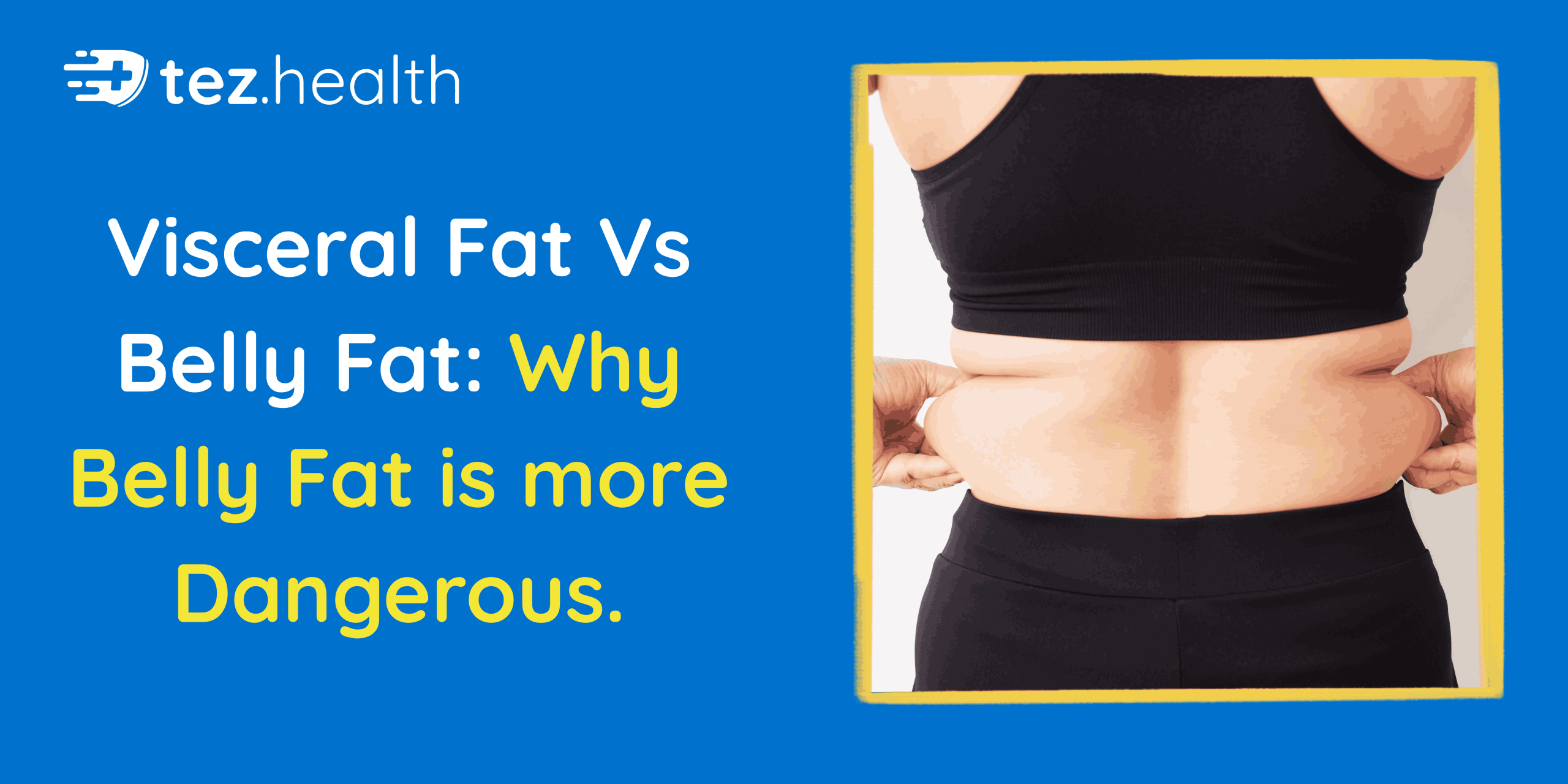
Most people worry about visible belly fat — the soft fat you can pinch around your waist.
But the most dangerous fat in your body is often the one you cannot see.
This hidden fat is called visceral fat, and it sits deep inside the abdominal cavity, wrapped around vital organs like the liver, pancreas, and intestines.
Medical research consistently shows that excess visceral fat significantly increases the risk of:
- Type 2 diabetes
- Heart disease
- Fatty liver disease
- Stroke
- Hormonal imbalance
- Metabolic syndrome
- Reduced life expectancy
Understanding the difference between visceral fat and regular belly fat could help prevent serious long-term health complications.
This guide explains:
- What belly fat actually means
- The difference between visceral fat and subcutaneous fat
- Why visceral fat is biologically more harmful
- How to measure abdominal fat risk
- Causes of visceral fat gain
- Science-backed strategies to reduce it safely
What Is Belly Fat?
“Belly fat” is a general term used to describe fat stored around the abdomen. However, it consists of two very different types of fat:
- Subcutaneous Fat (Visible Belly Fat)
- Visceral Fat (Hidden Internal Fat)
These two types behave differently inside the body.
Subcutaneous Fat: The Fat Under the Skin
Subcutaneous fat is the soft, pinchable fat located just beneath the skin.
Key Features:
- Visible and touchable
- Stored under the skin
- Less hormonally active
- Primarily an energy reserve
In moderate amounts, subcutaneous fat is relatively harmless. It becomes problematic only when present in excessive quantities contributing to overall obesity.
What Is Visceral Fat?
Visceral fat is internal fat stored deep inside the abdominal cavity.
It surrounds critical organs such as:
- Liver
- Pancreas
- Kidneys
- Intestines
Unlike subcutaneous fat, visceral fat is metabolically active. It releases hormones, inflammatory chemicals, and fatty acids directly into the bloodstream.
Because of this, doctors often refer to visceral fat as “active fat.”
Visceral Fat vs Subcutaneous Fat: Key Differences
| Feature | Visceral Fat | Subcutaneous Fat |
| Location | Deep inside abdomen around organs | Under the skin |
| Visibility | Not visible | Visible |
| Texture | Firm, hard belly | Soft, pinchable |
| Hormonal Activity | High | Low |
| Disease Risk | Very high | Lower |
| Reduction | Requires sustained lifestyle change | Easier with calorie deficit |
Why Visceral Fat Is More Dangerous
Visceral fat is not just stored energy — it actively disrupts your metabolism.
Here’s how:
- It Causes Chronic Inflammation
Visceral fat produces inflammatory chemicals called cytokines.
These inflammatory substances:
- Damage blood vessels
- Increase insulin resistance
- Promote plaque formation in arteries
Chronic low-grade inflammation is a major contributor to:
- Cardiovascular disease
- Diabetes
- Autoimmune conditions
- Accelerated aging
- It Triggers Insulin Resistance
Visceral fat releases free fatty acids directly into the liver.
This interferes with insulin’s ability to regulate blood sugar, leading to:
- Prediabetes
- Type 2 diabetes
- Metabolic syndrome
Even individuals with normal body weight can develop insulin resistance if visceral fat is high. This condition is sometimes called TOFI (Thin Outside, Fat Inside).
- It Increases Heart Disease Risk
High visceral fat levels are associated with:
- Elevated LDL (bad cholesterol)
- Increased triglycerides
- Higher blood pressure
- Arterial stiffness
These factors significantly raise the risk of:
- Heart attack
- Stroke
- Blocked arteries
Abdominal obesity is considered a stronger predictor of heart disease than overall body weight.
- It Leads to Fatty Liver Disease
Visceral fat is closely linked to non-alcoholic fatty liver disease (NAFLD).
Excess fat around the liver causes:
- Liver inflammation
- Fibrosis
- Liver damage
Fatty liver is now one of the most common lifestyle-related liver disorders in India.
- It Disrupts Hormones
Visceral fat affects key hormones:
Hormonal disruption can result in:
- Increased appetite
- Sugar cravings
- Central obesity
- Fertility problems
- Fatigue
- It Affects Breathing and Sleep
Excess abdominal fat restricts diaphragm movement.
This increases risk of:
- Sleep apnea
- Poor sleep quality
- Reduced lung capacity
Poor sleep further worsens fat accumulation — creating a vicious cycle.
How to Know If You Have High Visceral Fat
You cannot see visceral fat directly, but these indicators help:
- Waist Circumference
Measure at your belly button level.
High-risk values (for South Asians):
- Men: More than 90 cm
- Women: More than 80 cm
South Asians are genetically predisposed to central fat accumulation at lower BMI levels.
- Waist-to-Hip Ratio (WHR)
WHR = Waist ÷ Hip circumference
High risk:
- Men: Above 0.90
- Women: Above 0.85
- Imaging and Body Composition Tests
More accurate tools include:
- DEXA scan
- CT scan
- MRI scan
- Body fat analyzer machines
- Smart scales estimating visceral fat
- Lifestyle Risk Indicators
You may have high visceral fat if you:
- Sit for more than 8 hours daily
- Consume high sugar diet
- Sleep less than 6–7 hours
- Experience chronic stress
- Rarely exercise
Causes of Visceral Fat Accumulation
1. High Sugar and Refined Carb Intake
2. Sedentary Lifestyle
3. Chronic Stress (High Cortisol)
4. Poor Sleep
5. Hormonal Changes (Menopause, Low Testosterone)
6. Excess Alcohol Consumption
7. Genetic Predisposition
In India, increasing processed food consumption and desk-based jobs are major contributors.
How to Reduce Visceral Fat
The good news: visceral fat responds well to structured lifestyle changes.
- Follow an Anti-Inflammatory Diet
Include:
- Leafy vegetables
- Fruits (berries, guava, apple)
- Whole grains (millets, oats)
- Lentils and dal
- Lean protein
- Nuts and seeds
- Green tea
- Turmeric
Avoid:
- Sugary beverages
- Refined flour (maida)
- Deep-fried foods
- Packaged snacks
- Excess alcohol
- Exercise Consistently
Best exercises for visceral fat:
Cardio:
- Brisk walking
- Cycling
- Swimming
- Jogging
Aim: 150–300 minutes per week
Strength Training:
- Squats
- Lunges
- Push-ups
- Weight training
At least 2–3 sessions weekly.
HIIT:
High-Intensity Interval Training has shown strong reduction in abdominal fat.
- Manage Stress
Practice:
- Meditation
- Yoga
- Deep breathing
- Time outdoors
Lower cortisol = lower central fat storage.
- Improve Sleep
Aim for 7–8 hours daily.
Sleep regulates:
- Leptin
- Ghrelin
- Insulin sensitivity
Poor sleep directly increases abdominal fat.
- Reduce Alcohol
Alcohol increases liver fat and abdominal fat accumulation.
Moderation or avoidance significantly helps.
When Should You Seek Medical Advice?
Consult a doctor if you have:
- Rapid abdominal weight gain
- High fasting blood sugar
- High blood pressure
- High triglycerides
- Family history of diabetes or heart disease
Early screening can prevent complications.
Conclusion:
Belly fat is not just a cosmetic issue.
Subcutaneous fat affects appearance.
Visceral fat affects your organs, metabolism, hormones, and long-term survival.
The danger is not what you can see — it is what you cannot see.
The positive news?
Visceral fat is highly responsive to diet, exercise, stress control, and sleep improvement.
Small daily habits create powerful long-term protection against chronic disease.