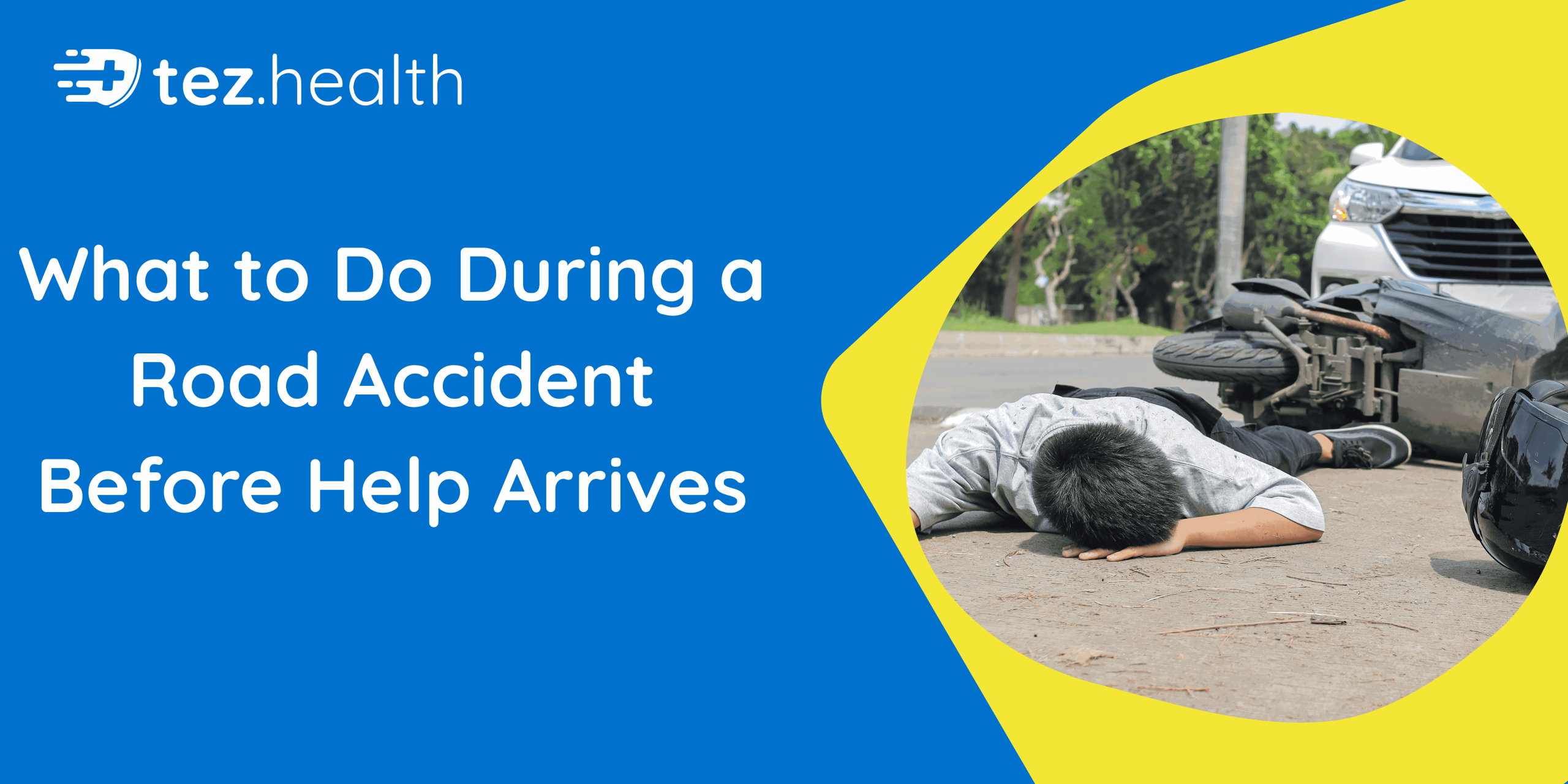
Road accidents are a major public safety concern worldwide, and countries like India experience a large number of traffic-related injuries every year. In many cases, the first few minutes after a road accident are the most critical, often referred to as the golden hour. Immediate actions taken by bystanders or victims can significantly improve survival chances and reduce the severity of injuries.
Unfortunately, many people do not know what to do when they witness or are involved in a road accident. Panic, confusion, or lack of knowledge can delay life-saving actions.
Knowing what to do during a road accident before medical help arrives can help prevent further injuries, stabilize victims, and potentially save lives.
This comprehensive guide explains step-by-step actions to take during a road accident, basic first aid measures, safety precautions, and how to assist victims responsibly.
Understanding the Importance of Immediate Action
The time immediately following an accident is extremely important. Medical professionals often emphasize the “golden hour,” which refers to the first hour after a traumatic injury.
Prompt action during this period can:
- Prevent excessive bleeding
- Maintain breathing and circulation
- Reduce complications
- Improve chances of survival
Even basic first aid measures performed by bystanders can make a huge difference until professional medical help arrives.
Ensure Your Own Safety First
Before helping others, ensure that the accident scene is safe.
Check for potential dangers such as:
- Oncoming traffic
- Fire hazards
- Fuel leaks
- Broken glass or debris
- Electrical hazards
If the accident occurred on a busy road, try to alert approaching vehicles by waving your hands, turning on hazard lights, or placing warning signs if available.
Never rush into a dangerous situation without assessing the environment.
Call Emergency Services Immediately
Once the situation is safe, call emergency services.
Provide clear information such as:
- Exact location of the accident
- Number of injured people
- Severity of injuries
- Any hazards like fire or trapped victims
In India, important emergency numbers include:
- 108 – Ambulance services
- 100 – Police emergency
- 112 – National emergency helpline
Quick communication with emergency responders ensures faster medical assistance.
Check the Victim’s Responsiveness
Approach the injured person carefully and check if they are conscious.
Gently ask:
“Are you okay?”
Observe whether the person:
- Responds verbally
- Moves their body
- Opens their eyes
If the victim is unconscious, check for breathing and pulse.
If breathing is absent, immediate CPR may be necessary.
Do Not Move the Victim Unless Necessary
One of the most common mistakes people make is moving accident victims unnecessarily.
Moving an injured person can worsen injuries, especially if they have:
- Spine injuries
- Neck injuries
- Broken bones
Only move the victim if there is an immediate danger such as fire, explosion risk, or traffic hazard.
If movement is necessary, try to support the head and neck carefully.
Control Bleeding
Severe bleeding is one of the most dangerous consequences of road accidents.
If a victim is bleeding heavily:
- Use a clean cloth or bandage.
- Apply firm pressure directly on the wound.
- Keep pressure until bleeding slows or stops.
If possible, raise the injured limb slightly above heart level to reduce blood flow.
Avoid removing objects stuck in the wound, as this may increase bleeding.
Keep the Victim Calm and Reassured
Accident victims may feel scared, confused, or in shock.
Speak calmly and reassure them.
Simple words like: “Help is on the way.”
can provide emotional comfort and prevent panic.
Stress and anxiety can worsen the victim’s condition.
Help Maintain Breathing
If the victim is conscious but having difficulty breathing:
- Loosen tight clothing around the neck and chest.
- Help them sit or lie in a comfortable position.
If the person is unconscious but breathing, place them in the recovery position to prevent choking.
This position keeps the airway open and reduces the risk of aspiration.
Provide Basic First Aid
Basic first aid can stabilize the victim until medical professionals arrive.
Some simple measures include:
Treating Minor Cuts and Wounds
Clean wounds gently and apply a bandage if available.
Managing Fractures
If you suspect broken bones:
- Avoid moving the injured limb.
- Support it with clothing or padding.
Treating Burns
If burns occur due to fire or explosions:
- Cool the burn area with clean water.
- Avoid applying oils or creams.
Watch for Signs of Shock
Shock is a life-threatening condition that can occur after severe injuries.
Common signs include:
- Pale or cold skin
- Rapid breathing
- Weak pulse
- Dizziness
- Confusion
To manage shock:
- Lay the victim flat on their back.
- Elevate their legs slightly if possible.
- Keep them warm using a blanket or clothing.
Monitor their condition until help arrives.
Prevent Crowding Around the Victim
Crowds often gather at accident sites, which can hinder rescue efforts.
Too many people around the victim may:
- Restrict airflow
- Cause stress to the injured person
- Delay medical responders
Encourage bystanders to maintain distance and allow space for emergency services.
Avoid Giving Food or Water
Even if the victim asks for water, avoid giving food or drinks.
This is important because:
- The victim may require surgery.
- They could choke if internal injuries exist.
Medical professionals will assess their condition before allowing food or water.
Collect Important Information
If possible, gather useful information for medical teams.
This may include:
- Victim’s name and contact details
- Any known medical conditions
- Details of the accident
- Vehicle numbers involved
Providing this information helps emergency responders act quickly.
Follow Good Samaritan Guidelines
In many countries, including India, Good Samaritan laws protect individuals who help accident victims.
These laws ensure that bystanders who assist injured people are not harassed legally.
Helping someone in need during a road accident is both a moral responsibility and a socially valuable act.
Preventing Road Accidents
While knowing how to respond is important, preventing accidents is even more critical.
Safety practices include:
- Wearing seat belts
- Using helmets while riding motorcycles
- Avoiding drunk driving
- Following traffic rules
- Maintaining safe speeds
- Avoiding mobile phone use while driving
Responsible driving can significantly reduce accident risks.
Importance of First Aid Training
Basic first aid knowledge empowers individuals to respond effectively during emergencies.
Learning first aid skills helps people:
- Handle injuries confidently
- Control bleeding
- Perform CPR
- Support accident victims safely
Many organizations offer first aid and emergency response training programs.
These skills can save lives in real-world situations.
Conclusion
Road accidents can happen unexpectedly, and the actions taken in the first few minutes can make a life-saving difference. Knowing what to do during a road accident before help arrives allows bystanders to provide immediate support, reduce complications, and stabilize injured individuals.
Ensuring scene safety, calling emergency services, controlling bleeding, keeping victims calm, and avoiding unnecessary movement are essential steps that can protect the victim’s health.
Awareness, quick thinking, and basic first aid knowledge are powerful tools that enable ordinary people to respond effectively during emergencies and potentially save lives.
FAQs on managing road accident before medical help arises
1. What should I do first during a road accident?
Ensure the accident scene is safe and call emergency services immediately.
2. Should I move an injured person after an accident?
Avoid moving the victim unless there is immediate danger, such as fire or traffic risk.
3. How can I stop heavy bleeding after an accident?
Apply firm pressure on the wound using a clean cloth or bandage.
4. What is the recovery position?
The recovery position involves placing an unconscious but breathing person on their side to keep the airway open.
5. Should I give water to an injured person?
No. Avoid giving food or water because the person may require surgery or have internal injuries.
6. What are the signs of shock after an accident?
Signs include pale skin, rapid breathing, weak pulse, dizziness, and confusion.
7. What emergency number should I call in India?
You can call 108 for ambulance services or 112 for national emergency assistance.
8. Is it safe to help accident victims?
Yes. Good Samaritan laws protect individuals who assist accident victims.
9. Can first aid really save lives in accidents?
Yes. Immediate first aid can prevent severe complications and improve survival chances.
10. How can I learn first aid skills?
You can attend first aid training programs offered by healthcare organizations and emergency response agencies.