
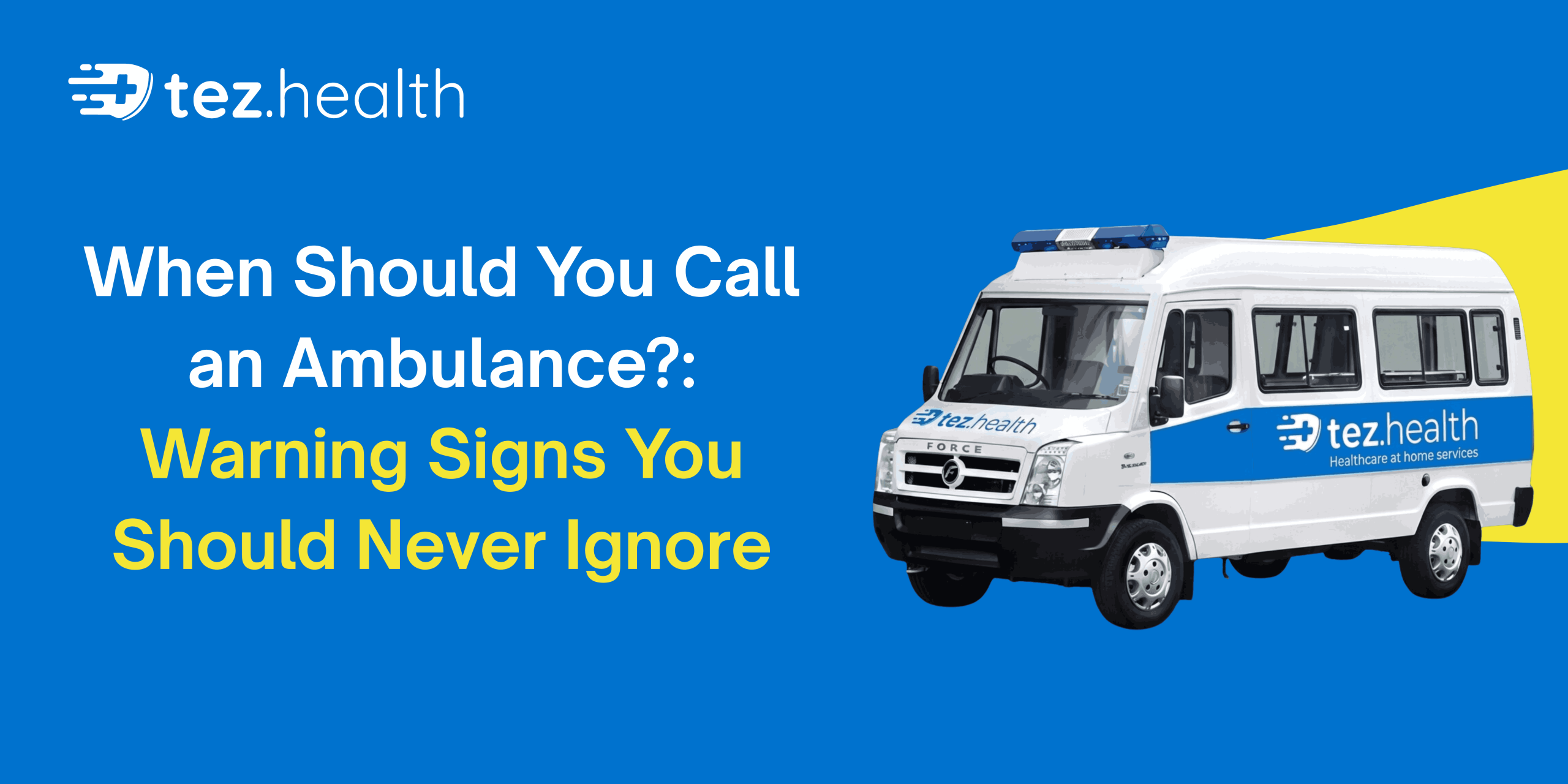
Medical emergencies are unpredictable. A few minutes can make the difference between recovery and life-threatening complications. Yet many people hesitate before calling an ambulance — often because they are unsure whether the situation is serious enough.
Knowing when to call an ambulance is critical. Delays in emergency response can lead to irreversible damage, especially in cases of heart attack, stroke, severe trauma, or breathing difficulty.
This comprehensive guide explains:
- Clear warning signs that require ambulance services
- Symptoms that should never be ignored
- The importance of the Golden Hour
- When self-transport is unsafe
- What to do while waiting for an ambulance
- How emergency medical services save lives
Understanding these emergency signs can help you act fast and protect your loved ones.
Why Calling an Ambulance Immediately Matters
Ambulances are not just transportation vehicles. Modern emergency ambulances provide:
- On-site medical stabilization
- Oxygen support
- Cardiac monitoring
- IV fluids
- Emergency medications
- CPR and defibrillation
- Trained paramedic care
Early medical intervention before reaching the hospital significantly improves survival rates.
In emergencies like cardiac arrest or stroke, every minute counts.
1. Severe Chest Pain or Pressure
One of the most critical reasons to call an ambulance is chest pain.
Call an ambulance immediately if someone experiences:
- Tightness or pressure in the chest
- Pain spreading to arm, jaw, neck, or back
- Shortness of breath
- Sweating
- Nausea or vomiting
- Sudden weakness
These could be signs of a heart attack.
Do not attempt self-transport in such cases. Ambulance paramedics can:
- Monitor heart rhythm
- Provide oxygen
- Administer emergency medication
- Perform CPR if needed
Early treatment reduces heart muscle damage.
2. Sudden Signs of Stroke
Recognizing stroke symptoms early can prevent permanent disability.
Use the FAST rule:
- Face drooping
- Arm weakness
- Speech difficulty
- Time to call an ambulance
Other signs include:
- Sudden confusion
- Loss of balance
- Severe headache
- Blurred vision
Stroke treatment is time-sensitive. Immediate ambulance transport ensures rapid evaluation and clot-saving therapy within the golden window.
3. Difficulty Breathing
Call emergency ambulance services if someone has:
- Severe breathlessness
- Gasping for air
- Bluish lips or fingers
- Wheezing with distress
- Sudden asthma attack not responding to inhaler
Breathing problems can worsen quickly.
Ambulances provide oxygen therapy and airway support during transport.
4. Unconsciousness or Fainting
If a person:
- Becomes unresponsive
- Does not wake up
- Has repeated fainting episodes
- Cannot be aroused
Immediate ambulance care is necessary.
Unconsciousness can result from:
- Brain injury
- Low blood sugar
- Seizure
- Cardiac arrest
- Internal bleeding
Delay can be life-threatening.
5. Severe Bleeding That Won’t Stop
Call an ambulance if:
- Bleeding continues after 10 minutes of pressure
- Blood is spurting
- There is deep wound or large injury
- Blood loss is heavy
Severe bleeding can cause shock quickly.
While waiting:
- Apply firm pressure
- Elevate injured area
- Keep patient calm
Ambulance teams manage bleeding and stabilize before hospital arrival.
6. Road Traffic Accidents or Major Trauma
Always call an ambulance in case of:
- Car accidents
- Fall from height
- Head injury
- Fractures with deformity
- Suspected internal injury
Moving an injured person incorrectly can worsen spinal damage.
Emergency responders are trained in safe trauma handling.
7. Seizures
Call for emergency medical help if:
- Seizure lasts more than 5 minutes
- Person has repeated seizures
- First-time seizure
- Injury during seizure
- Difficulty breathing after seizure
While waiting:
- Turn person on side
- Do not put anything in mouth
- Protect head
Ambulance paramedics ensure airway safety.
8. Severe Allergic Reaction (Anaphylaxis)
Warning signs include:
- Swelling of face or throat
- Difficulty breathing
- Rapid pulse
- Severe rash
- Drop in blood pressure
This is a medical emergency.
Immediate ambulance care and epinephrine administration can save life.
9. Sudden Severe Abdominal Pain
Call an ambulance if abdominal pain is:
- Intense and sudden
- Associated with vomiting blood
- Accompanied by high fever
- Causing fainting
It could indicate appendicitis, perforation, internal bleeding, or other serious conditions.
10. Suspected Poisoning or Overdose
Call emergency services immediately if:
- Unknown substance ingestion
- Drug overdose
- Chemical exposure
- Child swallowing medicine
Time-sensitive treatment prevents organ damage.
11. High Fever With Altered Consciousness
In children or elderly, high fever combined with:
- Confusion
- Seizures
- Severe weakness
- Neck stiffness
Requires urgent evaluation.
12. Labor Complications
Emergency ambulance transport is necessary if:
- Heavy bleeding during pregnancy
- Severe abdominal pain
- Premature labor
- Reduced fetal movement
- High blood pressure in pregnancy
Safe transfer is essential for mother and baby.
When NOT to Delay Calling an Ambulance
People often hesitate because:
- They think symptoms will pass
- They fear cost
- They don’t want to “overreact”
- They plan to drive themselves
This delay can be dangerous.
If you are unsure — it is safer to call.
It is better to act early than regret the delay.
Ambulance vs Self-Transport: What Is Safer?
Driving a patient yourself can be risky because:
- No medical monitoring
- No oxygen support
- No emergency medication
- Traffic delays
- No trained personnel
In contrast, ambulances provide:
- Pre-hospital stabilization
- Faster hospital admission process
- Continuous monitoring
For serious symptoms, ambulance transport is always safer.
Understanding the Golden Hour
The “Golden Hour” refers to the first hour after a serious injury or medical emergency.
During this time:
- Brain cells begin to die without oxygen
- Heart muscle damage increases
- Internal bleeding worsens
- Stroke-related brain injury progresses
Fast ambulance response during this period saves lives.
What to Do While Waiting for an Ambulance
- Stay calm
- Keep patient lying down
- Loosen tight clothing
- Monitor breathing
- Do not give food or drink
- Keep emergency documents ready
- Note symptom start time
Quick information helps paramedics act efficiently.
Special Considerations for Elderly Patients
Elderly individuals may show subtle symptoms like:
- Mild confusion
- Sudden weakness
- Slurred speech
- Dizziness
Even minor signs can indicate serious conditions.
When in doubt, call emergency services.
Children and Emergency Warning Signs
Call an ambulance for children if:
- Persistent vomiting
- Severe breathing difficulty
- Unresponsiveness
- Seizures
- High fever with lethargy
Children deteriorate faster than adults.
Cost Concerns vs Life Safety
Many people hesitate due to ambulance cost concerns.
However:
- Early intervention reduces ICU costs
- Prevents permanent disability
- Avoids long hospital stays
Emergency response is an investment in life.
Common Mistakes People Make
- Waiting too long
- Using home remedies during heart attack
- Ignoring stroke signs
- Driving critical patient themselves
- Assuming symptoms are “gas” or “stress”
Early recognition prevents tragedy.
Signs You Should NEVER Ignore
Let’s summarize major red flags:
- Chest pain
- Stroke symptoms
- Breathing difficulty
- Unconsciousness
- Severe bleeding
- Seizures
- Major trauma
- Severe allergic reaction
- Suspected poisoning
If any of these occur, call an ambulance immediately.
Conclusion
Knowing when to call an ambulance is not about panic — it is about preparedness.
Emergency medical services exist to provide rapid, life-saving care. The earlier medical support begins, the better the outcome.
If symptoms are severe, sudden, or life-threatening, do not wait.
Trust your instincts.
Calling an ambulance quickly can:
- Save brain function
- Save heart muscle
- Prevent disability
- Save a life
Act fast. Every minute matters.