Heart disease is one of the leading causes of death worldwide, and in India, the risk is rising rapidly due to lifestyle changes, stress, and dietary habits. One of the most important yet often overlooked tools for assessing heart health is the lipid profile test.
Many people feel completely healthy but may still have high cholesterol levels silently damaging their blood vessels. This is why regular screening becomes essential.
So the key question is:
Why is a lipid profile test important for heart health, and what do the results actually mean?
In this comprehensive guide, we explain what a lipid profile test is, why it matters, what each component indicates, and how you can use the results to protect your heart.
What Is a Lipid Profile Test?
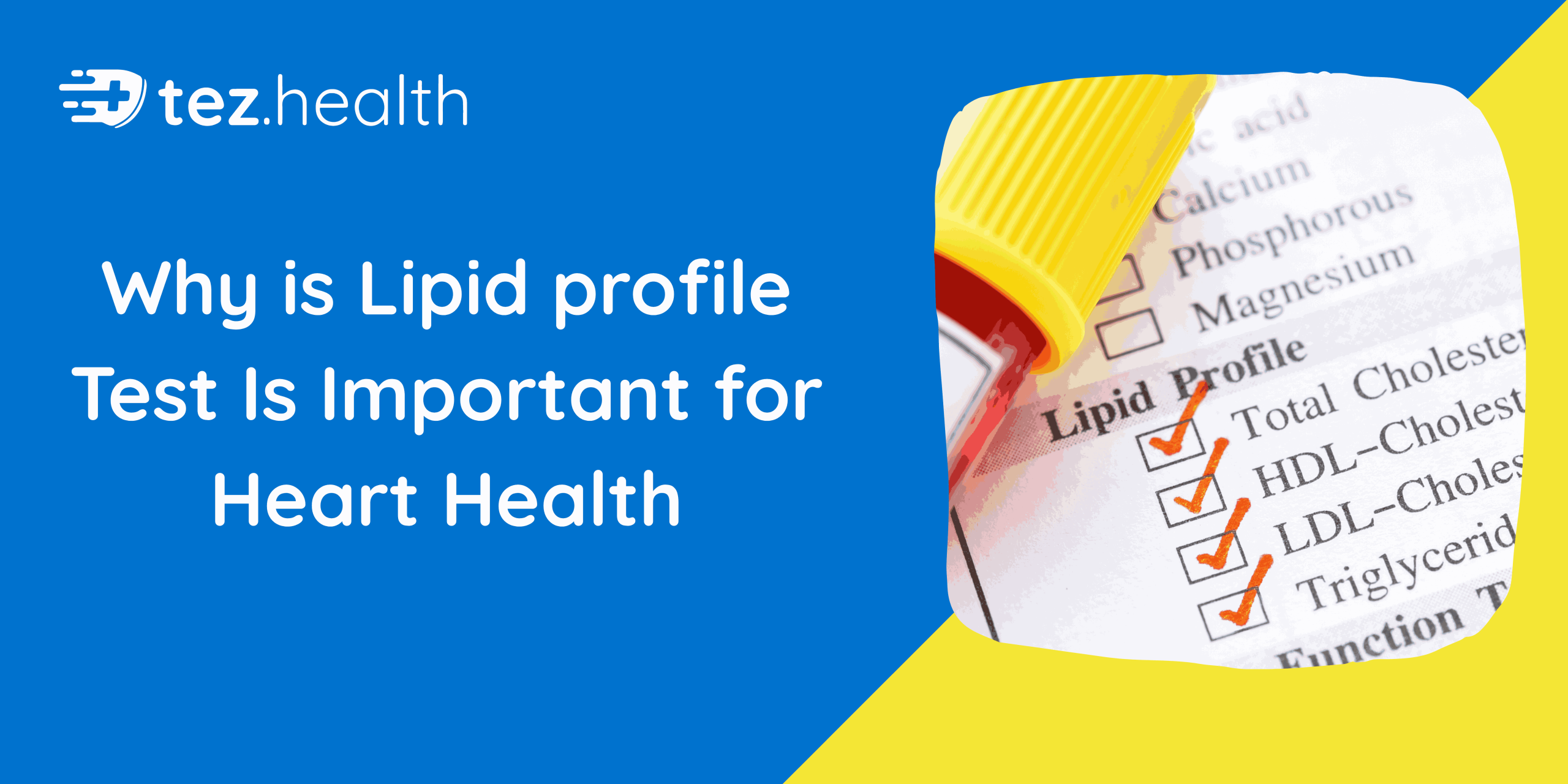
A lipid profile test is a blood test that measures different types of fats (lipids) in your blood.
These include:
- Total cholesterol
- Low-density lipoprotein (LDL)
- High-density lipoprotein (HDL)
- Triglycerides
- Very low-density lipoprotein (VLDL)
Together, these values help assess your risk of heart disease and stroke.
Why Is a Lipid Profile Test Important?
A lipid profile test plays a critical role in preventing cardiovascular diseases.
Early Detection of Heart Risk
High cholesterol often has no symptoms. Therefore, testing helps detect problems before complications arise.
Prevents Heart Attacks and Stroke
Abnormal lipid levels can lead to plaque buildup in arteries, increasing the risk of:
- Heart attack
- Stroke
- Peripheral artery disease
Helps Monitor Existing Conditions
If you already have heart disease, diabetes, or high blood pressure, lipid tests help track your condition.
Evaluates Lifestyle Impact
Diet, exercise, and stress significantly affect cholesterol levels. Regular testing shows how your lifestyle impacts your heart.
Components of a Lipid Profile Test
Understanding each component is essential.
1. Total Cholesterol
This is the overall amount of cholesterol in your blood.
Normal Range
- Less than 200 mg/dL (desirable)
2. LDL (Bad Cholesterol)
LDL carries cholesterol to arteries, where it can build up and form plaques.
Why It Is Dangerous
High LDL increases the risk of heart disease.
Normal Range
- Less than 100 mg/dL (optimal)
3. HDL (Good Cholesterol)
HDL helps remove excess cholesterol from the bloodstream.
Importance
Higher HDL levels protect against heart disease.
Normal Range
- Above 40 mg/dL (men)
- Above 50 mg/dL (women)
4. Triglycerides
These are fats stored in the body for energy.
Why They Matter
High triglycerides increase heart disease risk.
Normal Range
- Less than 150 mg/dL
5. VLDL
VLDL carries triglycerides in the blood.
Importance
High levels contribute to plaque buildup.
How Cholesterol Affects Heart Health
Plaque Formation in Arteries
Excess LDL cholesterol builds up on artery walls, forming plaques.
Narrowing of Blood Vessels
Plaques reduce blood flow, increasing strain on the heart.
Risk of Blockage
If a plaque ruptures, it can form a clot and block blood flow, leading to a heart attack or stroke.
Who Should Get a Lipid Profile Test?
Adults Over 20 Years
Routine testing every 4–6 years is recommended.
High-Risk Individuals
More frequent testing is needed for:
- Diabetes patients
- High blood pressure
- Obesity
- Smokers
- Family history of heart disease
Elderly Individuals
Regular monitoring helps prevent complications.
Patients on Cholesterol Medication
Testing ensures treatment effectiveness.
Symptoms of High Cholesterol
High cholesterol usually shows no symptoms.
However, in severe cases:
- Chest pain
- Fatigue
- Xanthomas (fat deposits under skin)
Therefore, regular testing is essential.
Causes of High Cholesterol
Unhealthy Diet
High intake of:
- Fried foods
- Processed foods
- Sugary items
Lack of Physical Activity
Sedentary lifestyle increases cholesterol levels.
Smoking
Reduces HDL and damages blood vessels.
Alcohol Consumption
Excess alcohol raises triglyceride levels.
Genetics
Family history plays a major role.
How to Prepare for a Lipid Profile Test
- Fasting for 9–12 hours is usually required
- Avoid alcohol before testing
- Inform your doctor about medications
Understanding Lipid Profile Results
High LDL
Increases risk of heart disease.
Low HDL
Reduces protective effect.
High Triglycerides
Associated with obesity and diabetes.
Balanced Levels
Indicate lower cardiovascular risk.
How to Improve Your Lipid Profile
Healthy Diet
Include:
- Fruits and vegetables
- Whole grains
- Healthy fats (nuts, seeds)
Avoid:
- Trans fats
- Excess sugar
Regular Exercise
At least 30 minutes of activity daily improves cholesterol levels.
Weight Management
Maintaining a healthy weight reduces risk.
Quit Smoking
Improves HDL levels.
Limit Alcohol
Reduces triglycerides.
Medical Treatment Options
Doctors may prescribe:
- Statins
- Fibrates
- Cholesterol absorption inhibitors
Medication is recommended when lifestyle changes are not enough.
Can Lipid Profile Tests Be Done at Home?
Yes, many healthcare providers offer home sample collection.
Benefits
- Convenience
- No travel required
- Ideal for elderly patients
- Regular monitoring
Importance of Regular Monitoring
Regular lipid testing helps:
- Detect changes early
- Prevent complications
- Track treatment progress
Common Myths About Cholesterol
“Only Overweight People Have High Cholesterol”
Even healthy individuals can have high cholesterol.
“No Symptoms Means No Problem”
Cholesterol issues are often silent.
“Medication Alone Is Enough”
Lifestyle changes are equally important.
When to See a Doctor
Consult a doctor if:
- Your lipid levels are abnormal
- You have risk factors
- You experience chest pain
Conclusion
A lipid profile test is a simple yet powerful tool to assess heart health and prevent serious conditions like heart attacks and stroke. Since high cholesterol often develops silently, regular testing becomes essential for early detection and timely intervention.
Understanding your lipid levels and making necessary lifestyle changes can significantly reduce your risk of cardiovascular disease. In some cases, medical treatment may also be required to maintain healthy cholesterol levels.
Taking proactive steps today can help protect your heart for the future.
FAQs on Importace of Lipid Profile Test
1. What is a lipid profile test?
It is a blood test that measures cholesterol and triglyceride levels.
2. Why is a lipid profile important?
It helps assess the risk of heart disease and stroke.
3. How often should I take this test?
Every 4–6 years or more frequently if at risk.
4. Is fasting required for a lipid test?
Yes, usually 9–12 hours of fasting is needed.
5. What is a normal cholesterol level?
Total cholesterol should be below 200 mg/dL.
6. Can high cholesterol be controlled?
Yes, through diet, exercise, and medication if needed.
7. What foods increase cholesterol?
Fried foods, processed foods, and sugary items.
8. What improves HDL levels?
Exercise, healthy fats, and quitting smoking.
9. Are home lipid tests accurate?
Yes, when done through certified providers.
10. When should I see a doctor?
If your results are abnormal or you have symptoms.