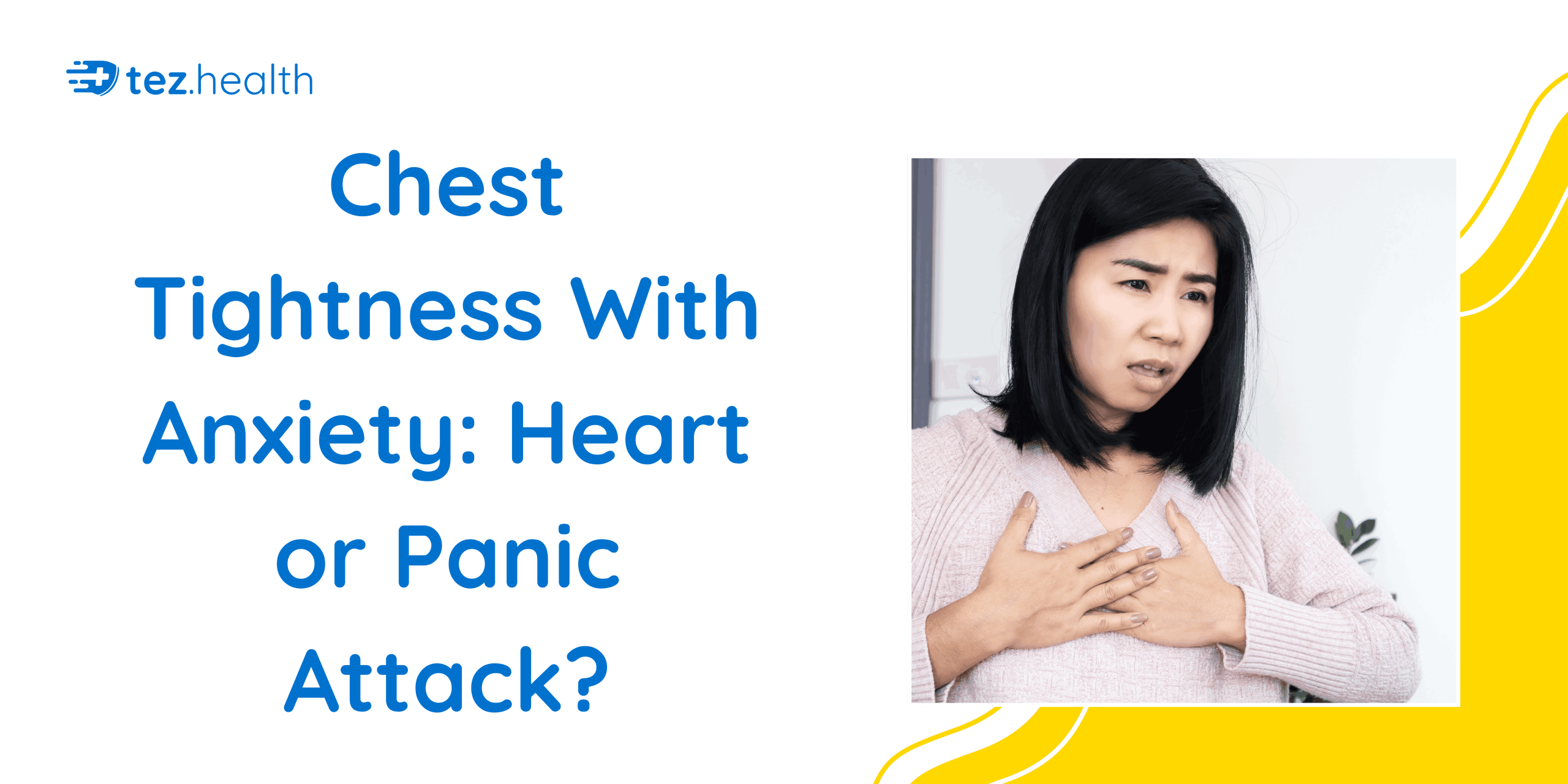
Chest tightness can feel frightening, especially when it happens suddenly during stress, panic, or emotional overwhelm. Many people immediately worry they may be having a heart attack, while others experience chest discomfort as part of anxiety or panic attacks. Because the symptoms can sometimes feel similar, it is understandable why chest tightness often creates fear and confusion.
Anxiety-related chest tightness is common and is often harmless. However, heart-related chest pain should never be ignored because serious heart conditions can also cause pressure, discomfort, or pain in the chest. Understanding the difference between anxiety symptoms and possible heart emergencies is important for protecting both physical and mental health.
Learning the causes, symptoms, warning signs, and ways to manage anxiety-related chest discomfort can help reduce fear and help people know when medical evaluation is necessary.
What is Chest Tightness?
Chest tightness is the feeling of pressure, squeezing, heaviness, discomfort, or restriction in the chest area. Some people describe it as:
- A heavy sensation in the chest
- Difficulty taking a deep breath
- Tight muscles in the chest
- Pressure or squeezing
- Sharp or dull discomfort
- Feeling like something is sitting on the chest
Chest tightness may occur suddenly or gradually and may last for:
- A few minutes
- Several hours
- Longer in some cases
The sensation can result from anxiety, muscle tension, breathing changes, digestive problems, or heart-related conditions.
Why Does Anxiety Cause Chest Tightness?
When the body experiences stress or anxiety, it activates the “fight or flight” response. This is the body’s natural survival system designed to respond to danger.
During anxiety:
- Stress hormones increase
- Heart rate becomes faster
- Breathing speeds up
- Muscles tighten
- Blood pressure may rise temporarily
These physical changes may create symptoms such as:
- Tightness in the chest
- Rapid heartbeat
- Shortness of breath
- Trembling
- Dizziness
- Sweating
Even though anxiety symptoms can feel intense, they may occur without any actual heart problem.
Common Symptoms of Anxiety-Related Chest Tightness
Chest discomfort related to anxiety or panic attacks often occurs with emotional and physical symptoms.
Common symptoms include:
- Rapid heartbeat
- Sweating
- Trembling
- Feeling of fear or panic
- Shortness of breath
- Tingling in hands or feet
- Dizziness
- Restlessness
- Feeling unable to relax
- Shaking
- Chest muscle tension
- Feeling emotionally overwhelmed
Symptoms often appear suddenly and may improve as anxiety decreases.
What is a Panic Attack?
A panic attack is a sudden episode of intense fear or anxiety that causes strong physical reactions.
Panic attacks can feel extremely overwhelming and are often mistaken for heart attacks because the symptoms may feel severe.
Symptoms usually peak within minutes and may include:
- Chest tightness or chest pain
- Racing heart
- Difficulty breathing
- Sweating
- Trembling
- Feeling faint
- Choking sensation
- Fear of losing control
- Fear of dying
Some people experience panic attacks only once, while others may have repeated episodes associated with panic disorder or chronic anxiety.
How Anxiety Affects the Body Physically
Anxiety is not only emotional. It can create real physical symptoms throughout the body.
Stress hormones may affect:
- Heart rate
- Breathing patterns
- Muscle tension
- Digestion
- Sleep quality
- Blood circulation
As a result, anxiety may cause:
- Chest discomfort
- Headaches
- Fatigue
- Dizziness
- Stomach problems
- Muscle pain
This is why anxiety-related symptoms often feel very real and physically intense.
How is Heart-Related Chest Pain Different?
Heart-related chest discomfort may feel different from anxiety-related tightness.
Heart-related symptoms often include:
- Pressure or heaviness in the chest
- Squeezing sensation
- Pain spreading to the arm, jaw, shoulder, or back
- Chest discomfort during physical activity
- Severe breathlessness
- Cold sweats
- Nausea
- Fainting
- Persistent chest pressure
Heart symptoms may worsen with physical exertion and may not improve with relaxation alone.
Warning Signs of Possible Heart Problems
Seek immediate medical attention if chest tightness:
- Feels severe or crushing
- Spreads to the arm, jaw, neck, or back
- Happens during physical activity
- Causes fainting
- Occurs with severe breathlessness
- Is associated with sweating or nausea
- Lasts for several minutes
- Does not improve after calming down
- Occurs in someone with heart disease risk factors
People with diabetes, high blood pressure, obesity, smoking history, or known heart disease should be especially cautious.
Common Causes of Anxiety-Related Chest Tightness
Several factors may contribute to anxiety-related chest discomfort.
1. Stress and Emotional Overload
Emotional stress is one of the most common causes of anxiety-related chest symptoms.
Work pressure, financial stress, relationship problems, or emotional trauma may trigger physical reactions in the body.
2. Panic Disorder
People with panic disorder experience repeated panic attacks and ongoing fear of future attacks.
Chest tightness is a very common symptom during panic episodes.
3. Muscle Tension
Stress often causes tightening of chest and shoulder muscles.
Muscle tension may create:
- Pressure
- Soreness
- Aching
- Tightness in the chest wall
4. Hyperventilation
Rapid breathing during anxiety may lower carbon dioxide levels in the blood.
This can cause:
- Chest tightness
- Dizziness
- Tingling sensations
- Lightheadedness
5. Lack of Sleep
Poor sleep increases stress hormone activity and worsens anxiety symptoms.
Sleep deprivation may also increase:
- Fatigue
- Rapid heartbeat
- Emotional sensitivity
- Physical tension
6. Excess Caffeine
Too much caffeine may overstimulate the nervous system and worsen:
- Anxiety
- Palpitations
- Chest tightness
- Restlessness
Energy drinks and excess coffee are common triggers.
7. Poor Breathing Habits
Shallow breathing during stress may contribute to feelings of tightness and discomfort in the chest.
8. Health Anxiety
Some individuals become highly focused on bodily sensations and fear serious illness, which may increase panic symptoms further.
Can Anxiety Cause Real Chest Pain?
Yes. Anxiety can cause very real physical chest pain and discomfort.
This happens because:
- Chest muscles tighten
- Breathing patterns change
- Stress hormones affect circulation
- The nervous system becomes overstimulated
Although the pain may not come from the heart itself, it can still feel intense and alarming.
Tips to Relieve Anxiety-Related Chest Tightness
Managing anxiety may help reduce physical symptoms.
Practice Deep Breathing
Slow breathing exercises can calm the nervous system and reduce hyperventilation.
Deep breathing may help:
- Relax chest muscles
- Slow heart rate
- Improve oxygen balance
Reduce Stress
Stress management techniques may reduce anxiety-related symptoms.
Helpful options include:
- Meditation
- Yoga
- Mindfulness
- Relaxation exercises
- Journaling
Limit Caffeine
Reducing coffee, tea, energy drinks, and stimulants may improve anxiety symptoms.
Get Proper Sleep
Healthy sleep supports emotional balance and physical recovery.
Poor sleep often worsens anxiety and physical stress symptoms.
Exercise Regularly
Physical activity helps:
- Reduce stress hormones
- Improve mood
- Support heart health
- Reduce muscle tension
Even regular walking may help reduce anxiety symptoms.
Stay Hydrated
Proper hydration supports circulation, energy levels, and nervous system balance.
Seek Emotional Support
Talking to trusted family members, friends, or mental health professionals may help manage chronic anxiety.
How Doctors Diagnose Chest Tightness
Doctors may evaluate symptoms carefully to rule out heart-related causes.
Possible tests may include:
- Physical examination
- ECG (electrocardiogram)
- Blood pressure evaluation
- Blood tests
- Heart monitoring
- Chest X-ray
- Anxiety and mental health assessment
Diagnosis depends on symptoms, medical history, and risk factors.
Can Anxiety-Related Chest Tightness Be Prevented?
Managing stress and improving mental health may reduce anxiety-related physical symptoms.
Helpful preventive habits include:
- Regular exercise
- Healthy sleep routine
- Stress management
- Balanced nutrition
- Limiting stimulants like caffeine
- Avoiding smoking
- Seeking therapy or counseling when needed
Early support for chronic anxiety may help prevent repeated panic symptoms.
Frequently Asked Questions (FAQ’s) on Chest With Anxiety: Heart or Panic Attack Tightness?
1. Can anxiety really cause chest tightness?
Yes, anxiety and panic attacks can cause chest tightness, rapid heartbeat, and breathing discomfort.
2. How do I know if chest pain is anxiety or heart-related?
Heart-related pain often includes pressure, sweating, pain spreading to the arm or jaw, and symptoms during physical activity.
3. Can panic attacks feel like heart attacks?
Yes, panic attacks can closely mimic heart attack symptoms and may feel very frightening.
4. How long does anxiety chest tightness last?
It may last from a few minutes to longer depending on stress levels and anxiety severity.
5. When should I go to the hospital for chest tightness?
Seek emergency care if symptoms are severe, persistent, associated with fainting, or spread to other areas of the body.
6. Can stress increase heart rate?
Yes, stress hormones can temporarily increase heart rate and cause palpitations.
7. Can caffeine worsen anxiety chest symptoms?
Yes, excess caffeine may worsen anxiety, rapid heartbeat, and chest tightness.
8. Can poor sleep trigger panic symptoms?
Yes, sleep deprivation may increase anxiety levels and physical stress symptoms.
9. Is chest tightness from anxiety dangerous?
Anxiety-related chest tightness itself is often harmless, but heart-related causes should always be ruled out if symptoms are concerning.
10. Can breathing exercises help anxiety chest tightness?
Yes, slow deep breathing may help calm the nervous system and reduce chest discomfort caused by anxiety.