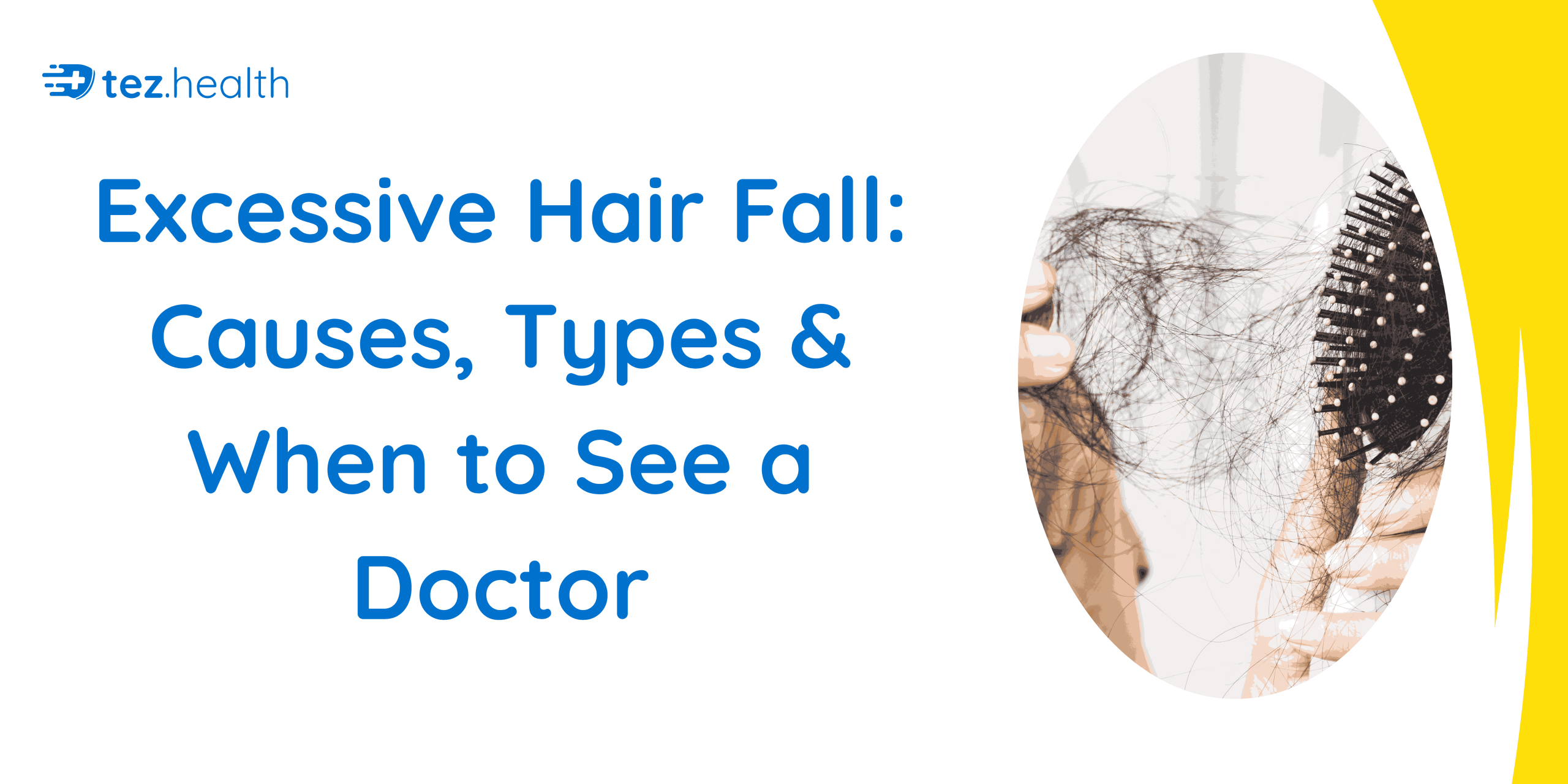
Hair fall is a common concern affecting both men and women of all ages. Losing some hair every day is normal, but excessive hair fall can become stressful and may indicate an underlying health issue. Many people notice increased hair shedding while combing, washing their hair, or finding excessive hair on pillows and clothing.
Hair loss can affect confidence, emotional well-being, and self-esteem. While some cases are temporary and improve with lifestyle changes, others may require medical evaluation and treatment.
Understanding the causes, types, and warning signs of excessive hair fall is important for early diagnosis and proper management. In many cases, identifying the root cause early can help prevent further hair loss and improve hair regrowth.
In this guide, we will explore the common causes of excessive hair fall, different types of hair loss, treatment options, preventive measures, and when it is important to see a doctor.
What is considered a normal hair fall?
It is completely normal to lose some hair every day as part of the natural hair growth cycle.
On average, a person may lose:
- 50 to 100 hairs per day
New hair usually grows back to replace the shed hair. However, when hair fall becomes excessive and new hair growth slows down, thinning or bald patches may appear.
Excessive hair fall becomes a concern when:
- Hair shedding increases suddenly
- Hair becomes visibly thinner
- Bald spots develop
- Hairline starts receding rapidly
Understanding the Hair Growth Cycle
Hair growth happens in different phases.
1. Growth Phase (Anagen)
This is the active hair growth stage and can last several years.
2. Transition Phase (Catagen)
Hair growth slows down and follicles shrink temporarily.
3. Resting Phase (Telogen)
Hair rests before eventually falling out and being replaced by new hair.
Any disruption in this cycle can lead to increased hair shedding.
Common Causes of Excessive Hair Fall
1. Nutritional Deficiencies
Poor nutrition is one of the leading causes of hair fall.
Deficiencies in:
- Iron
- Protein
- Vitamin D
- Zinc
- Vitamin B12
can weaken hair follicles and increase shedding.
Crash diets and poor eating habits may also affect hair growth.
2. Stress and Anxiety
Physical or emotional stress can trigger excessive hair fall.
Common stress-related causes include:
- Emotional trauma
- Work stress
- Sleep deprivation
- Major illness
- Surgery
Stress can push hair follicles into the resting phase, causing increased shedding after a few months.
3. Hormonal Changes
Hormonal imbalance can significantly affect hair growth.
Common hormonal causes include:
- Pregnancy
- Childbirth
- Menopause
- Thyroid disorders
- PCOS (Polycystic Ovary Syndrome)
Hormonal fluctuations may lead to temporary or long-term hair thinning.
4. Genetics
Hereditary hair loss is one of the most common causes of hair thinning.
This condition is known as:
- Male pattern baldness
- Female pattern hair loss
It usually develops gradually with age.
5. Medical Conditions
Certain health conditions can cause hair loss, including:
- Thyroid disease
- Autoimmune disorders
- Diabetes
- Scalp infections
- Anemia
Underlying medical problems should be diagnosed and treated properly.
6. Medications and Treatments
Some medicines may cause hair fall as a side effect.
Examples include:
- Chemotherapy drugs
- Blood pressure medications
- Antidepressants
- Hormonal medications
Hair growth often improves once the medication is adjusted or stopped under medical supervision.
7. Poor Hair Care Practices
Frequent use of:
- Hair coloring chemicals
- Heat styling tools
- Tight hairstyles
- Harsh shampoos
can damage hair and weaken roots.
Excessive hair treatments may lead to hair breakage and thinning.
8. Scalp Conditions
Scalp health plays an important role in hair growth.
Conditions such as:
- Dandruff
- Fungal infections
- Psoriasis
- Seborrheic dermatitis
can cause irritation, inflammation, and hair fall.
Types of Hair Loss
1. Androgenetic Alopecia
This is hereditary hair loss commonly seen in both men and women.
In Men:
- Receding hairline
- Bald spots on the crown
In Women:
- General thinning over the scalp
It develops gradually over time.
2. Telogen Effluvium
This is temporary hair shedding caused by stress, illness, hormonal changes, or nutritional deficiencies.
Hair may fall out in large amounts while washing or combing.
The condition is often reversible once the underlying trigger is treated.
3. Alopecia Areata
This is an autoimmune condition where the immune system attacks hair follicles.
It usually causes:
- Sudden patchy hair loss
- Round bald spots
Some patients may experience complete hair loss.
4. Traction Alopecia
This type occurs due to constant pulling on the hair from tight hairstyles such as:
- Tight ponytails
- Braids
- Hair extensions
Early treatment can prevent permanent damage.
5. Scarring Alopecia
This is a rare condition where inflammation damages hair follicles permanently.
Early medical treatment is important to prevent irreversible hair loss.
Symptoms Associated with Excessive Hair Fall
Hair fall may present with different symptoms depending on the cause.
Common signs include:
- Increased hair shedding
- Thinning hair
- Receding hairline
- Bald patches
- Itchy scalp
- Excessive hair on pillows or combs
- Weak and brittle hair
Some patients may also experience scalp redness or irritation.
When Should You See a Doctor for Hair Fall?
Occasional hair fall is normal, but medical evaluation is important when:
1. Hair Loss is Sudden or Severe
Rapid hair shedding may indicate an underlying health problem.
2. Bald Patches Appear
Patchy hair loss can be linked to autoimmune or scalp conditions.
3. Hair Thinning Continues for Months
Persistent hair loss should not be ignored.
4. Hair Fall is Accompanied by Other Symptoms
See a doctor if hair fall occurs along with:
- Fatigue
- Weight changes
- Irregular periods
- Skin problems
- Scalp itching
These may indicate hormonal or medical issues.
5. There is a Family History of Baldness
Early treatment may help slow hereditary hair loss.
How Doctors Diagnose Hair Fall
Doctors may evaluate:
- Medical history
- Diet and lifestyle
- Stress levels
- Hormonal health
- Scalp condition
Tests may include:
- Blood tests
- Thyroid function tests
- Vitamin deficiency screening
- Scalp examination
Proper diagnosis helps identify the root cause.
Treatment Options for Excessive Hair Fall
1. Nutritional Support
Correcting nutritional deficiencies may improve hair growth.
Doctors may recommend:
- Iron supplements
- Vitamin D
- Protein-rich diet
- Zinc supplements
2. Medications
Depending on the cause, medications may help control hair fall and stimulate growth.
Treatment should always be taken under medical supervision.
3. Lifestyle Changes
Healthy habits can support hair health.
Important steps include:
- Managing stress
- Sleeping well
- Staying hydrated
- Avoiding crash diets
4. Scalp Care
Maintaining scalp hygiene is important.
Use:
- Mild shampoos
- Gentle hair care products
- Anti-dandruff treatments if needed
5. Hair Fall Treatments
Some patients may benefit from:
- PRP therapy
- Laser therapy
- Hair transplantation
Treatment depends on the type and severity of hair loss.
Tips to Prevent Excessive Hair Fall
1. Eat a Balanced Diet
Consume foods rich in:
- Protein
- Iron
- Vitamins
- Healthy fats
2. Avoid Excessive Heat Styling
Reduce the use of:
- Hair straighteners
- Curling irons
- Blow dryers
3. Manage Stress
- Regular exercise, meditation, and proper sleep may reduce stress-related hair fall.
4. Avoid Tight Hairstyles
- Loose hairstyles reduce strain on hair roots.
5. Protect Hair from Harsh Chemicals
- Limit frequent chemical treatments and coloring.
6. Maintain Scalp Health
- Treat dandruff and scalp infections early to prevent complications.
Hair Fall in Women
Women may experience hair loss due to:
- Pregnancy
- PCOS
- Menopause
- Iron deficiency
- Hormonal imbalance
Hair thinning in women often appears as reduced hair volume rather than complete baldness.
Early treatment can improve results.
Hair Fall in Men
Male pattern baldness is extremely common and often hereditary.
Men may notice:
- Receding hairline
- Thinning at the crown
- Gradual baldness
Early medical treatment may help slow progression.
Can Hair Grow Back After Hair Fall?
In many cases, yes.
Hair regrowth depends on:
- The underlying cause
- Severity of damage
- Early treatment
- Overall scalp health
Temporary conditions such as nutritional deficiencies or stress-related shedding often improve with proper care.
However, some forms of permanent hair loss may require advanced treatment.
Importance of Early Treatment
Many people ignore hair fall until it becomes severe.
Early diagnosis and treatment can:
- Prevent worsening hair loss
- Improve hair regrowth
- Identify underlying medical conditions
- Reduce emotional stress
Seeking medical advice early often leads to better outcomes.
Frequently Asked Question (FAQ’s) on Excessive Hair Fall: Causes, Types & When to See a Doctor
1. How much hair fall is normal daily?
Losing around 50 to 100 hairs per day is considered normal.
2. What causes excessive hair fall?
Hair fall can be caused by stress, nutritional deficiencies, hormonal imbalance, genetics, medical conditions, or scalp problems.
3. Can stress cause hair loss?
Yes, physical and emotional stress can trigger temporary hair shedding.
4. Is hair fall common after pregnancy?
Yes, hormonal changes after childbirth often cause temporary hair fall.
5. Can vitamin deficiency cause hair loss?
Yes, deficiencies in iron, vitamin D, zinc, and protein can contribute to hair fall.
6. When should I see a doctor for hair fall?
You should consult a doctor if hair loss is severe, sudden, persistent, or associated with other symptoms.
7. Can dandruff cause hair fall?
Severe dandruff and scalp inflammation may contribute to hair shedding.
8. Is hereditary hair loss treatable?
While genetic hair loss cannot always be fully reversed, early treatment may help slow progression.
9. Can hair grow back after excessive hair fall?
In many cases, hair can regrow if the underlying cause is treated early.
10. How can I reduce hair fall naturally?
Maintain a balanced diet, manage stress, avoid harsh hair treatments, and care for scalp health regularly.