


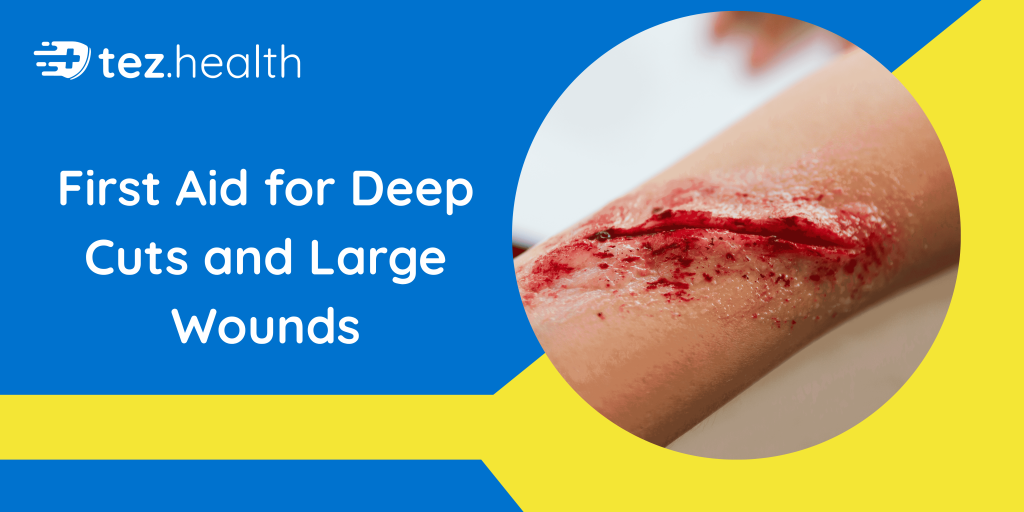
Deep cuts and large wounds can happen suddenly—at home, at work, or during accidents. While minor cuts can be treated easily, deeper wounds require immediate and proper first aid to prevent complications like heavy bleeding, infection, or long-term damage.
Therefore, knowing how to respond quickly and correctly is critical. In fact, timely first aid can significantly reduce blood loss, protect the wound, and improve healing outcomes.
Moreover, understanding when home care is enough—and when medical help is necessary—can make a life-saving difference.
This complete guide explains types of wounds, step-by-step first aid, do’s and don’ts, infection prevention, and recovery tips.
Understanding Deep Cuts and Large Wounds
What is a Deep Cut?
A deep cut is a wound that penetrates beyond the top layer of skin and may involve:
- Muscles
- Tendons
- Blood vessels
- Nerves
These wounds often bleed heavily and may require stitches.
What is a Large Wound?
A large wound refers to:
- Wide or long open cuts
- Skin tears
- Lacerations from accidents
Such wounds may not always be deep but can still pose a high risk of infection.
Common Causes
Deep cuts and wounds can occur due to:
- Sharp objects (knives, glass)
- Road accidents
- Falls
- Machinery injuries
- Sports injuries
Therefore, being prepared for emergencies is essential.
Signs of a Serious Wound
Recognizing severity is the first step.
Watch for:
- Heavy or continuous bleeding
- Deep visible layers of tissue
- Gaping wound edges
- Numbness or loss of movement
- Embedded objects
If these are present, immediate action is required.
Step-by-Step First Aid for Deep Cuts
1. Ensure Safety First
Before helping, ensure the environment is safe.
For example:
- Move away from sharp objects
- Avoid contaminated areas
2. Wash Your Hands
Clean hands prevent infection.
If possible, use gloves.
3. Stop the Bleeding
This is the most critical step.
- Apply firm, direct pressure using a clean cloth or gauze
- Maintain pressure for at least 10 minutes
- Do not remove the cloth if soaked—add another layer instead
4. Elevate the Wound
If possible, raise the injured area above heart level.
This helps reduce blood flow and bleeding.
5. Clean the Wound
Once bleeding is controlled:
- Rinse with clean water
- Remove visible dirt carefully
Avoid using harsh antiseptics directly inside deep wounds.
6. Apply an Antiseptic
Use a mild antiseptic around the wound (not deep inside).
This reduces infection risk.
7. Cover the Wound
Use sterile dressing or bandage.
Ensure it is secure but not too tight.
8. Seek Medical Help if Needed
Deep wounds often require:
- Stitches
- Tetanus shots
- Professional cleaning
First Aid for Large Open Wounds
First Air for Large & deeper wounds icludes :
Control Bleeding Immediately
Apply pressure and use thick dressing.
Avoid Touching the Wound
This prevents contamination.
Cover with Sterile Material
Use clean cloth or sterile gauze.
Monitor Continuously
Watch for bleeding or shock symptoms.
Managing Heavy Bleeding
Apply Continuous Pressure
Do not release pressure frequently.
Use a Bandage or Cloth
Layer if needed without removing the original.
Apply Pressure Points
If bleeding is severe, press near arteries.
Emergency Response
If bleeding does not stop within 10–15 minutes, seek urgent care.
Signs of Infection
Even after first aid, wounds can get infected.
Watch for:
- Redness spreading
- Swelling
- Warmth
- Pus discharge
- Fever
Early detection is crucial.
Do’s and Don’ts
Do’s
- Act quickly
- Keep the wound clean
- Use sterile materials
- Seek help when needed
Don’ts
- Do not use dirty cloths
- Avoid applying powders or home remedies directly
- Do not remove deeply embedded objects
- Avoid tight bandaging
Special Situations
If an Object is Stuck
Do not remove it.
Instead:
- Stabilize it
- Apply pressure around it
- Seek medical help immediately
Facial Wounds
Require urgent care to avoid scarring.
Animal or Human Bites
Need medical evaluation due to infection risk.
Risk of Shock
Severe wounds can lead to shock.
Symptoms include:
- Pale skin
- Rapid breathing
- Weak pulse
- Dizziness
What to Do
- Lay the person down
- Elevate legs slightly
- Keep them warm
- Seek emergency help
Healing Process
Initial Stage
Blood clot forms to stop bleeding.
Repair Stage
New tissue begins to grow.
Recovery Stage
Skin strengthens and heals.
Healing time depends on:
- Depth of wound
- Infection control
- Overall health
Importance of Tetanus Protection
Deep wounds increase the risk of tetanus infection.
Therefore:
- Ensure tetanus vaccination is up to date
- Seek a booster if needed
Home Care After First Aid
Change Dressings Regularly
Keep the wound clean and dry.
Monitor Healing
Look for signs of infection.
Avoid Strain
Do not stress the injured area.
Maintain Nutrition
Healthy diet supports healing.
Preventing Deep Cuts and Injuries
Use Protective Equipment
Especially during work or sports.
Handle Sharp Objects Carefully
Store safely after use.
Keep Living Spaces Safe
Avoid clutter and hazards.
Supervise Children
Reduce risk of accidents.
Role of Home Healthcare Services
For patients with large or deep wounds, home healthcare services can provide:
- Professional wound dressing
- Infection monitoring
- Post-injury care
This ensures proper healing and reduces complications.
When to Seek Immediate Medical Attention
Do not delay medical care if:
- Bleeding is uncontrollable
- Wound is very deep
- Bone or muscle is visible
- There is numbness
- Injury is caused by dirty or rusty objects
Conclusion
Deep cuts and large wounds require prompt and proper first aid. Acting quickly to stop bleeding, clean the wound, and protect it from infection can make a significant difference in recovery.
Moreover, understanding warning signs such as excessive bleeding or infection ensures timely medical intervention. While basic first aid can be done at home, severe cases should always be handled by healthcare professionals.
By staying informed and prepared, you can respond confidently during emergencies and protect yourself and your loved ones.
FAQs on first aid for deep cuts and large wounds
1. What is the first step in treating a deep cut?
Apply firm pressure to stop bleeding immediately.
2. How do you stop bleeding from a large wound?
Use direct pressure with a clean cloth or gauze.
3. Can deep cuts heal without stitches?
Some may, but many require stitches for proper healing.
4. When should I go to the hospital for a cut?
If bleeding is heavy, wound is deep, or infection signs appear.
5. Is it safe to clean deep wounds at home?
Yes, but only with clean water and basic care.
6. What should not be applied to open wounds?
Avoid powders, toothpaste, or unclean substances.
7. How can I prevent infection in a wound?
Keep it clean, covered, and change dressings regularly.
8. What are signs a wound needs stitches?
Gaping edges, deep tissue exposure, or continuous bleeding.
9. Why is tetanus a concern in deep cuts?
Bacteria can enter through open wounds and cause infection.
10. Can home healthcare help with wound care?
Yes, professionals can assist with dressing and recovery at home.