


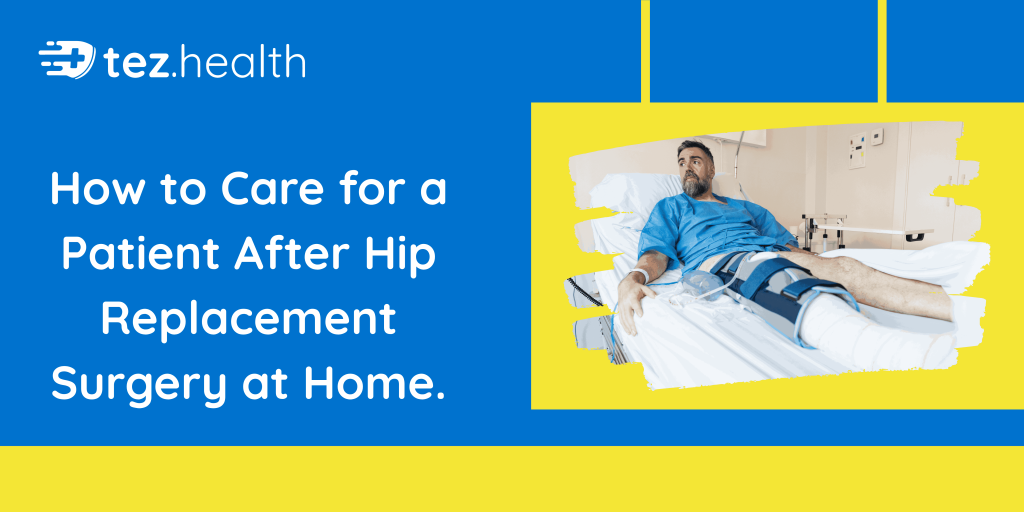
The How to Care for a Patient After Hip Replacement Surgery at Home guide is essential for caregivers and families supporting recovery after surgery. Hip replacement is a major procedure that requires structured post-operative care, attention to mobility, wound management, and lifestyle adjustments. With the increasing preference for recovery at home in cities like Bangalore, understanding the right caregiving practices can significantly improve healing, reduce complications, and help patients regain independence faster.
Understanding Hip Replacement Surgery
Hip replacement surgery involves replacing a damaged or worn-out hip joint with an artificial implant. It is commonly recommended for conditions such as:
- Osteoarthritis
- Rheumatoid arthritis
- Hip fractures
- Severe joint pain and stiffness
Post-surgery care is just as important as the procedure itself for successful recovery.
What to Expect After Surgery
Recovery varies from person to person, but most patients experience:
- Pain and swelling around the surgical site
- Limited mobility initially
- Need for assistive devices like walkers
- Gradual improvement over weeks
Proper home care ensures smoother and faster recovery.
Preparing Your Home Before Discharge
Creating a safe and comfortable environment is crucial.
Home Setup Tips:
- Remove loose rugs and obstacles
- Ensure good lighting
- Arrange a comfortable bed at accessible height
- Install grab bars in bathrooms
- Use a raised toilet seat
- Keep essential items within reach
These modifications reduce the risk of falls and strain.
Mobility and Movement Guidelines
1. Use Assistive Devices
Patients are usually advised to use:
2. Follow Weight-Bearing Instructions
Follow the doctor’s advice on how much weight can be placed on the operated leg.
3. Avoid Certain Movements
- Do not cross legs
- Avoid bending hips beyond 90 degrees
- Avoid twisting the hip
4. Gradual Walking
Short, frequent walks help improve circulation and mobility.
Pain Management
Pain is common after surgery but can be managed effectively.
Methods:
- Prescribed pain medications
- Cold compress to reduce swelling
- Proper rest
Always follow the doctor’s prescription and avoid self-medication.
Wound Care and Hygiene
Proper wound care is critical to prevent infections.
Key Steps:
- Keep the incision area clean and dry
- Change dressings as advised
- Avoid soaking the wound in water
- Watch for signs of infection:
- Redness
- Swelling
- Discharge
- Fever
Seek medical help if any of these signs appear.
Importance of Physiotherapy
Physiotherapy plays a vital role in recovery.
Benefits:
- Improves strength and flexibility
- Enhances mobility
- Reduces stiffness
- Speeds up recovery
Common Exercises:
- Ankle pumps
- Leg raises
- Hip strengthening exercises
Regular sessions are essential for optimal results.
Nutrition for Recovery
A balanced diet supports healing and strength.
Recommended Foods:
- Protein-rich foods (eggs, lentils, dairy)
- Calcium-rich foods (milk, leafy greens)
- Fruits and vegetables
- Whole grains
Hydration:
- Drink plenty of water to aid recovery , proper nutrition helps in faster tissue healing.
Preventing Complications
1. Blood Clots
- Encourage movement
- Follow medication guidelines
- Use compression stockings if advised
2. Infections
- Maintain hygiene
- Monitor wound regularly
3. Dislocation
- Follow movement restrictions strictly
4. Falls
- Ensure a safe home environment
- Use assistive devices
Daily Care Routine for Caregivers
Caregivers play a key role in recovery.
Daily Responsibilities:
- Assist with mobility
- Help with bathing and dressing
- Monitor medication schedule
- Ensure proper nutrition
- Observe for complications
In cities like Bangalore, professional home care services can also support caregivers.
Sleep and Rest Position
Best Sleeping Positions:
- On the back with a pillow between legs
- On the non-operated side with support
Avoid sleeping on the operated side unless advised.
When Can Normal Activities Resume?
Recovery timelines vary, but generally:
- Walking with support: Within days
- Driving: After 4–6 weeks
- Normal activities: 6–12 weeks
- Full recovery: 3–6 months
Always follow your doctor’s guidance.
Emotional Support and Mental Health
Recovery can be mentally challenging.
Support Tips:
- Encourage positive mindset
- Stay patient and supportive
- Engage in light activities
- Maintain social interaction
Emotional well-being is just as important as physical recovery.
Home Healthcare Support in Bangalore
Home healthcare services in Bangalore can provide:
- Nursing care
- Physiotherapy sessions
- Wound dressing
- Mobility assistance
This ensures professional care and reduces caregiver stress.
Common Mistakes to Avoid
- Ignoring physiotherapy
- Skipping medications
- Allowing unsafe movements
- Neglecting wound care
- Delaying medical consultation
Avoiding these mistakes helps ensure a smooth recovery.
Long-Term Care and Lifestyle Changes
Maintain Healthy Weight
Reduces stress on joints.
Stay Active
Regular exercise keeps joints flexible.
Follow Medical Advice
Routine checkups are important.
Avoid High-Impact Activities
Protect the new joint from damage.
Why Home Care Matters
In urban environments like Bangalore, home recovery offers:
- Comfort and familiarity
- Reduced hospital visits
- Personalized care
- Faster emotional recovery
With proper guidance, home care can be highly effective.
Conclusion
The How to Care for a Patient After Hip Replacement Surgery at Home guide highlights the importance of structured care, safety, and consistency in recovery. From mobility assistance and wound care to nutrition and emotional support, every aspect plays a vital role in healing. With the availability of home healthcare services in Bangalore, patients can recover comfortably while receiving quality care. A well-planned approach ensures faster recovery and improved quality of life.
Frequently Asked Questions How to Care for a Patient After Hip Replacement Surgery at Home
1. How long does recovery take after hip replacement?
Typically 3–6 months for full recovery.
2. Can the patient walk immediately after surgery?
Yes, with support and guidance.
3. What movements should be avoided?
Crossing legs, bending too much, and twisting the hip.
4. Is physiotherapy necessary?
Yes, it is essential for recovery.
5. How do I prevent infection?
Maintain hygiene and monitor the wound.
6. Can the patient climb stairs?
Yes, with proper guidance and support.
7. When can normal activities resume?
Usually within 6–12 weeks.
8. What foods help recovery?
Protein-rich and calcium-rich foods.
9. Is home care safe after surgery?
Yes, with proper precautions and support.
10. Can elderly patients recover well at home?
Yes, with proper care and assistance.
11. When should I call a doctor?
If there is pain, swelling, or signs of infection.
12. Do I need professional home care?
It can be beneficial for better recovery.