


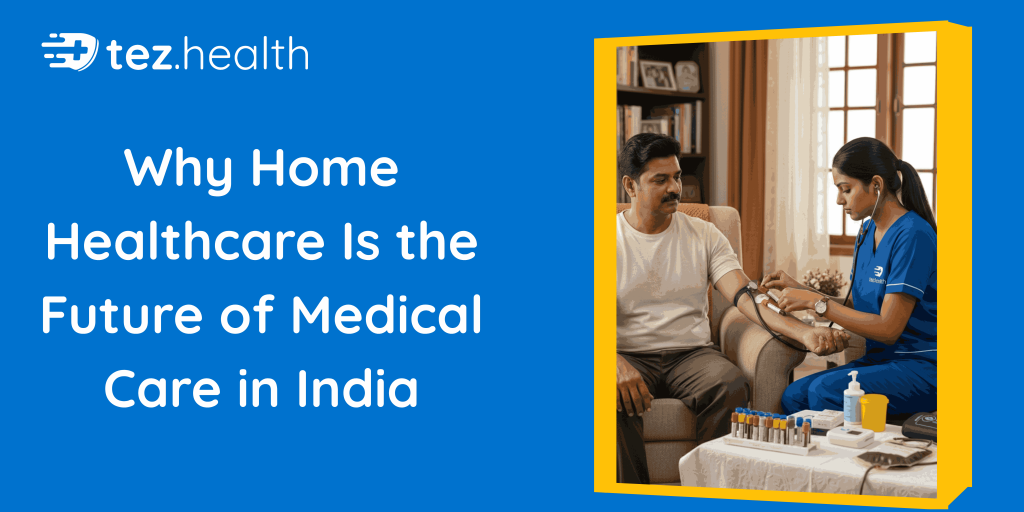
India’s healthcare system is evolving rapidly. Rising hospital costs, overcrowded emergency rooms, growing elderly population, increasing chronic diseases, and digital health innovations are transforming how medical care is delivered. In this transformation, home healthcare in India is emerging as the future of patient-centric, affordable, and accessible healthcare.
Home healthcare is no longer limited to basic nursing support. Today, it includes doctor visits at home, nursing care at home, physiotherapy at home, lab tests at home, vaccination at home, ICU setup at home, palliative care, chronic disease management, and post-hospitalization care.
This detailed and comprehensive blog explains why home healthcare services in India are becoming essential, sustainable, and inevitable for the future of medical care.
Understanding Home Healthcare in India
Home healthcare refers to professional medical services delivered in the patient’s home by trained healthcare providers. These services can range from basic care to advanced medical support.
Services Included in Modern Home Healthcare
- Doctor consultation at home
- Nursing care at home
- ICU setup at home
- Elderly care services
- Physiotherapy at home
- Lab tests at home
- Injection and IV therapy at home
- Post-surgery care
- Palliative care at home
- Chronic disease management
- Oxygen therapy at home
- Vaccination at home
- Medical equipment rental (oxygen concentrator, hospital bed, suction machine)
Home healthcare bridges the gap between hospital and recovery.
Why India Needs a Strong Home Healthcare System
India faces unique healthcare challenges:
- Overcrowded hospitals
- Limited hospital beds per population
- Urban-rural healthcare disparity
- Increasing elderly population
- Rise in lifestyle diseases
- Growing healthcare costs
- Lack of preventive care awareness
Home healthcare directly addresses these challenges.
-
Rapidly Growing Elderly Population in India
India is witnessing a demographic shift. The elderly population (60+) is growing rapidly.
Older adults commonly suffer from:
Frequent hospital visits are physically exhausting and financially draining. Elderly care at home provides:
- Comfort
- Reduced infection risk
- Personalized monitoring
- Better emotional support
Home healthcare for seniors is not a luxury—it is becoming a necessity.
-
Rising Burden of Chronic Diseases
India has become the diabetes capital of the world. Chronic diseases are increasing at alarming rates.
Common Chronic Conditions
- Diabetes management
- Hypertension monitoring
- Cardiac patients follow-up
- Stroke rehabilitation
- Kidney disease care
- Cancer care support
These conditions require long-term monitoring, medication adjustment, lab testing, and regular evaluation.
Home healthcare enables:
- Regular BP monitoring
- Blood sugar monitoring
- ECG at home
- IV infusion at home
- Dialysis support coordination
- Medication compliance tracking
Chronic disease management at home reduces hospital admissions and improves quality of life.
-
Overcrowded Hospitals and Bed Shortage
India has limited hospital beds compared to population size. Emergency departments are often overloaded.
Minor illnesses often occupy hospital resources unnecessarily.
Home healthcare reduces hospital burden by:
- Managing non-critical conditions at home
- Supporting early discharge
- Providing step-down care
- Reducing readmission rates
This improves healthcare system efficiency nationwide.
-
Cost-Effective Healthcare Model
Hospitalization is expensive.
Costs include:
- Room charges
- Nursing charges
- Diagnostic tests
- Hospital consumables
- Transportation
Home healthcare is more affordable because:
- No room charges
- Shorter duration of care
- Focused services
- Reduced indirect expenses
Preventive and early intervention at home lowers overall medical expenditure.
-
Infection Control and Safety
Hospitals are high-risk environments for infections.
Hospital-acquired infections include:
- Pneumonia
- Urinary infections
- Bloodstream infections
- COVID and respiratory viruses
Home care reduces cross-infection exposure, especially for:
- Elderly patients
- Cancer patients
- Immunocompromised individuals
Post-pandemic, infection prevention has become a priority.
-
Technological Advancements in Healthcare
Technology has revolutionized home medical services.
Today, portable medical devices allow:
- ECG at home
- Digital X-ray at home
- Portable ultrasound
- Oxygen monitoring
- Telemedicine consultation
- Remote patient monitoring
- Digital prescriptions
- AI-based health tracking
With digital health integration, home healthcare is becoming highly sophisticated.
-
Post-Hospitalization Care and Recovery
After discharge, patients need continued care.
Common scenarios:
- Post-surgery recovery
- Joint replacement rehabilitation
- Cardiac surgery follow-up
- Stroke rehabilitation
- ICU discharge monitoring
Home healthcare ensures smooth transition from hospital to home, preventing complications.
-
ICU Setup at Home – A Growing Trend
In certain stable critical cases, ICU-level care can be arranged at home.
Includes:
- Ventilator support
- Oxygen therapy
- Cardiac monitoring
- 24/7 nursing support
ICU at home is beneficial for:
- Terminally ill patients
- Long-term ventilator support
- Neurological conditions
This provides dignity and comfort to patients.
-
Growth of Preventive Healthcare Awareness
Urban India is shifting toward preventive health.
Services like:
- Health checkups at home
- Blood tests at home
- Vaccination at home
- Annual screening packages
Encourage early diagnosis and prevention.
Preventive healthcare reduces long-term complications and healthcare costs.
-
Increasing Urban Lifestyle and Time Constraints
Working professionals and nuclear families struggle to manage hospital visits.
Home healthcare offers:
- Flexible scheduling
- Reduced travel
- Quick access to doctor consultation
- Family-centered care
Convenience is driving demand.
-
Mental and Emotional Benefits
Recovery is faster in familiar surroundings.
Benefits include:
- Reduced anxiety
- Better sleep
- Emotional stability
- Family support
Hospital environments can be stressful and intimidating.
-
Growth of Health Startups and Organized Home Healthcare Providers
India has seen rapid growth of organized home healthcare providers offering structured and standardized services.
This includes:
- Trained medical staff
- Licensed doctors
- Digital records
- Quality assurance protocols
- Transparent pricing
Professionalization of the sector ensures trust and scalability.
-
Rural and Semi-Urban Healthcare Accessibility
Access to tertiary hospitals is limited in rural India.
Home healthcare supported by telemedicine bridges the urban-rural gap.
- Remote doctor consultation
- Lab sample collection
- Basic nursing care
This expands healthcare reach beyond city limits.
-
Government Push Towards Digital Health
Initiatives like digital health records and telemedicine adoption encourage decentralized healthcare.
Home healthcare aligns with:
- Universal health coverage goals
- Reduced burden on public hospitals
- Community-based care models
-
Palliative and End-of-Life Care at Home
Patients with terminal illnesses prefer dignity and comfort.
Palliative care at home provides:
- Pain management
- Symptom relief
- Emotional support
- Family involvement
This human-centered approach is increasingly valued.
Challenges in Home Healthcare (And Why They Are Being Solved)
While promising, challenges include:
- Awareness gaps
- Regulatory clarity
- Standardization
- Insurance coverage limitations
However:
- Insurance companies are expanding coverage
- Organized providers are setting protocols
- Digital platforms are improving accessibility
The ecosystem is maturing rapidly.
The Economic Impact of Home Healthcare in India
Home healthcare creates:
- Employment for nurses and paramedics
- Reduced pressure on hospitals
- Lower healthcare system costs
- Improved patient productivity
It contributes positively to national healthcare sustainability.
Future Outlook: What to Expect in Next 10 Years
- AI-driven home monitoring
- Smart wearable integration
- Remote ICU management
- Increased insurance support
- Stronger regulatory framework
- Integration with hospital networks
Home healthcare will not replace hospitals but complement them effectively.
Conclusion
Home healthcare in India is not a trend. It is a structural shift.
It offers:
- Accessibility
- Affordability
- Comfort
- Safety
- Personalization
- Technology integration
- Preventive focus
With rising chronic diseases, growing elderly population, and digital health innovation, the future of medical care in India will be hybrid — hospital for critical emergencies and home healthcare for continuous care.
The focus is shifting from “treating disease” to “managing health.”
And home healthcare stands at the center of this transformation.