


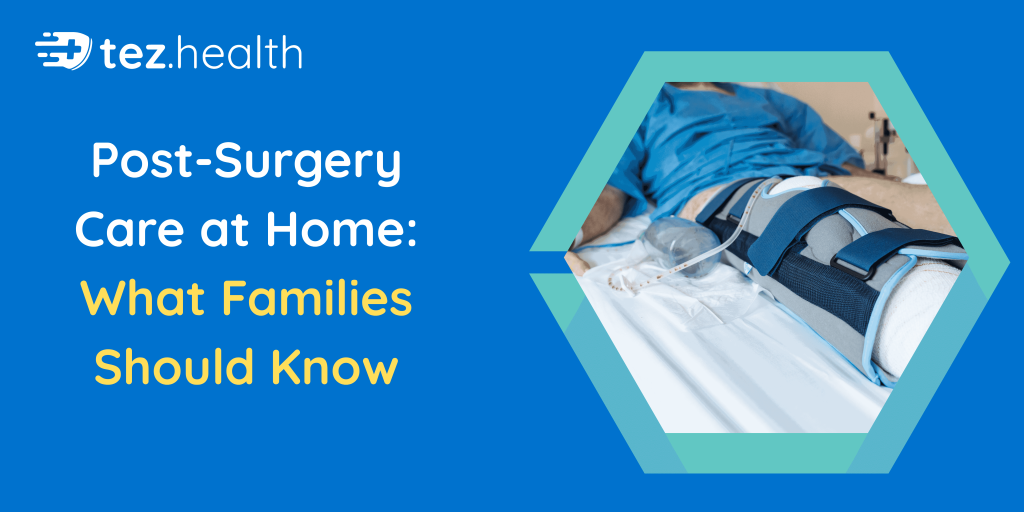
Recovering from surgery is a crucial phase that significantly affects a patient’s overall health and long-term recovery. While hospitals provide immediate medical care after surgery, many patients are discharged within a few days and continue their recovery at home. During this period, proper post-surgery care at home becomes essential to ensure safe healing, prevent complications, and support the patient’s return to normal life.
Families play an important role in the recovery process. Understanding how to provide proper care, monitor symptoms, and follow medical instructions can help reduce the risk of infections, pain, and delayed healing.
This guide explains everything families should know about post-surgery care at home, including wound care, nutrition, medication management, physical activity, and warning signs that require medical attention.
Why Post-Surgery Care at Home Is Important
After surgery, the body requires time to heal. Proper care during this recovery period helps the patient regain strength and avoid complications.
Effective post-surgery care at home helps:
- Prevent infections
- Reduce pain and discomfort
- Promote faster healing
- Improve mobility and strength
- Reduce hospital readmissions
Without proper care, patients may develop complications such as infections, blood clots, or delayed recovery.
Preparing the Home for Recovery
Before the patient returns home, families should prepare the environment to make recovery safe and comfortable.
Create a Comfortable Resting Area
Set up a quiet and comfortable area where the patient can rest easily. Ensure the bed or resting chair is supportive and accessible.
Keep Essential Items Nearby
Place important items within easy reach, such as:
- Water
- Medications
- Phone
- Tissues
- Medical supplies
This reduces unnecessary movement during early recovery.
Ensure Safety in the Home
Remove obstacles or slippery rugs to prevent falls, especially if the patient has limited mobility.
Install support rails if needed in bathrooms or near stairs.
Following the Doctor’s Instructions
The most important rule for post-surgery recovery is to carefully follow medical instructions provided by doctors.
Patients are usually given discharge instructions that include:
- Medication schedules
- Wound care guidelines
- Activity restrictions
- Dietary recommendations
- Follow-up appointment details
Families should keep these instructions easily accessible and ensure they are followed correctly.
Medication Management
Medications are an essential part of post-surgery recovery.
Patients may be prescribed:
- Pain relievers
- Antibiotics
- Anti-inflammatory drugs
- Blood thinners
Tips for Managing Medications
- Follow the prescribed schedule carefully
- Do not skip doses
- Avoid self-medication
- Use a medication organizer if necessary
Incorrect medication use can lead to complications or delayed healing.
Wound Care and Dressing
Proper wound care is crucial for preventing infection and promoting healing.
Keep the Surgical Area Clean
Always wash hands before touching the wound or changing dressings.
Change Dressings as Directed
Follow the doctor’s instructions regarding how often dressings should be changed.
Avoid Touching the Wound Unnecessarily
Frequent handling may introduce bacteria.
Keep the Area Dry
Many surgical wounds must remain dry for a specific period.
Avoid bathing or swimming until the doctor allows it.
Nutrition for Faster Recovery
A healthy diet plays a vital role in post-surgery healing.
Certain nutrients help repair tissues and strengthen the immune system.
Protein-Rich Foods
Protein helps rebuild tissues.
Examples include:
- Eggs
- Lean meats
- Beans
- Dairy products
Vitamin-Rich Foods
Fruits and vegetables provide vitamins that support healing.
Vitamin C is especially important for wound healing.
Iron-Rich Foods
Iron helps replenish blood lost during surgery.
Foods include:
- Spinach
- Lentils
- Red meat
Stay Hydrated
Adequate fluid intake helps maintain circulation and supports recovery.
Managing Pain and Discomfort
Pain is a normal part of recovery after surgery.
However, it should be managed effectively.
Follow Prescribed Pain Medications
Take medications exactly as directed by the doctor.
Use Relaxation Techniques
Deep breathing and relaxation exercises may help reduce discomfort.
Maintain Comfortable Positions
Proper positioning while resting can reduce pressure on surgical areas.
If pain becomes severe or persistent, consult a healthcare professional.
Importance of Rest and Sleep
Rest is essential for healing after surgery.
The body repairs damaged tissues during sleep and relaxation.
Patients should:
- Avoid overexertion
- Get enough sleep
- Take short rest breaks during the day
Excessive activity can slow down recovery and increase the risk of complications.
Gradual Return to Physical Activity
Although rest is important, complete inactivity is not recommended for extended periods.
Doctors often recommend gentle movement to prevent complications.
Benefits of Light Activity
- Improves blood circulation
- Prevents blood clots
- Maintains muscle strength
- Supports faster recovery
Walking short distances is usually recommended once the patient feels comfortable.
Always follow medical advice regarding physical activity.
Preventing Post-Surgery Complications
Several complications can occur during the recovery period.
Families should remain alert for potential warning signs.
Infection
Signs include:
- Redness around the wound
- Swelling
- Pus or discharge
- Fever
Blood Clots
Symptoms may include:
- Leg swelling
- Pain in the calf
- Difficulty breathing
Delayed Healing
Wounds that do not heal properly may require medical attention.
Early detection of complications can prevent serious health risks.
Emotional Support for the Patient
Recovery from surgery can also affect emotional well-being.
Patients may experience:
- Anxiety
- Frustration
- Mood changes
- Fear about recovery
Family members can support patients by:
- Offering encouragement
- Being patient and understanding
- Helping with daily activities
Emotional support plays a significant role in recovery.
Importance of Follow-Up Appointments
Follow-up visits allow doctors to monitor recovery progress.
During these visits, doctors may:
- Check wound healing
- Adjust medications
- Remove stitches or staples
- Recommend further rehabilitation
Skipping follow-up appointments may delay the detection of complications.
When to Seek Immediate Medical Help
Certain symptoms require urgent medical attention.
Families should contact a doctor if the patient experiences:
- High fever
- Severe pain
- Excessive bleeding
- Difficulty breathing
- Sudden swelling
- Persistent vomiting
Prompt medical care can prevent serious complications.
Benefits of Professional Home Healthcare Services
Many families choose professional home healthcare support for post-surgery recovery.
Home healthcare services may include:
- Nursing care
- Wound dressing
- Medication management
- Physiotherapy
- Monitoring vital signs
These services help ensure patients receive proper care while recovering at home.
Conclusion
Post-surgery care at home plays a critical role in ensuring a safe and successful recovery. Families must understand the importance of following medical instructions, managing medications, maintaining proper wound care, and supporting the patient’s emotional and physical well-being.
A clean and comfortable environment, balanced nutrition, adequate rest, and gradual physical activity all contribute to faster healing and reduced complications.
By staying informed and attentive, families can help patients recover smoothly and regain their health after surgery.
FAQs on post-surgery care at home
1. How long does recovery after surgery usually take?
Recovery time varies depending on the type of surgery and the patient’s overall health. It may range from a few weeks to several months.
2. How should surgical wounds be cleaned at home?
Follow the doctor’s instructions carefully and use sterile materials while changing dressings.
3. Can patients bathe after surgery?
Bathing restrictions depend on the type of surgery. Always consult the doctor before exposing the wound to water.
4. What foods help speed up recovery after surgery?
Protein-rich foods, fruits, vegetables, and iron-rich foods support faster healing.
5. Is it normal to feel tired after surgery?
Yes. Fatigue is common as the body uses energy to heal.
6. When should stitches be removed?
Stitches are usually removed within 7 to 14 days depending on the surgical procedure.
7. What are the signs of infection after surgery?
Symptoms include redness, swelling, fever, pain, and discharge from the wound.
8. Can patients exercise after surgery?
Light activity may be recommended, but strenuous exercise should be avoided until approved by the doctor.
9. Why are follow-up appointments important?
They allow doctors to monitor healing and detect complications early.
10. Can home healthcare services help with recovery?
Yes. Professional home healthcare services provide nursing care, wound dressing, and monitoring to support recovery.