


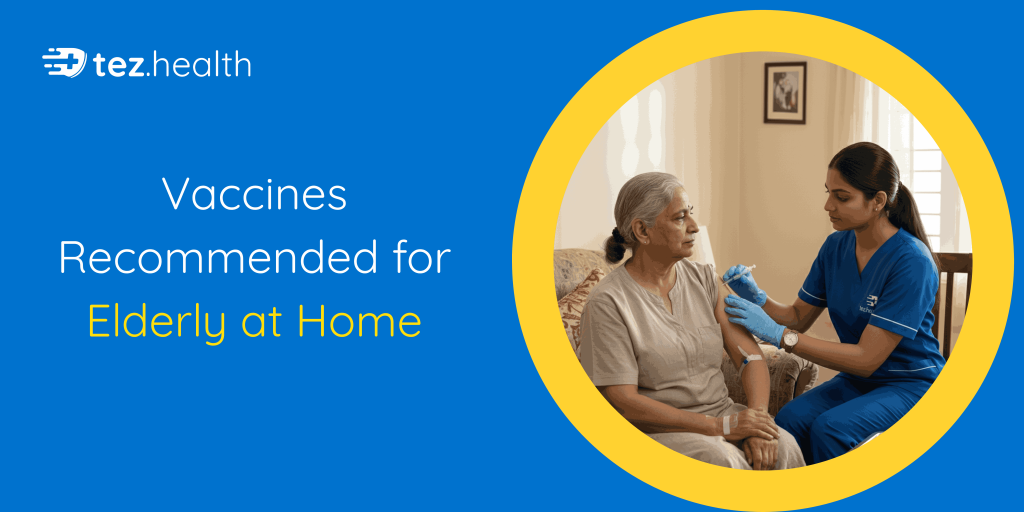
As we age, our immune system naturally becomes weaker. This makes older adults more vulnerable to infections, complications, hospitalization, and even life-threatening illnesses. Vaccination is one of the most effective and preventive healthcare measures for seniors.
Today, with the availability of home vaccination services, elderly individuals can safely receive essential vaccines in the comfort of their homes. This reduces travel stress, exposure to infections, and physical strain—especially for those with mobility issues or chronic diseases.
In this comprehensive guide, we will cover:
- Why vaccinations are important for seniors
- Which vaccines are recommended for elderly adults
- Who should take them
- How often they are required
- Safety of home vaccination services
- Frequently asked concerns
Why Vaccinations Are Crucial After 60
As people cross 60 years of age:
- Immune response becomes slower and weaker
- Chronic conditions like diabetes, heart disease, and lung disorders increase
- Recovery from infections becomes prolonged
- Risk of complications increases
Even diseases that are mild in younger adults can become serious in seniors.
Vaccinations help by:
- Preventing infection
- Reducing severity if infection occurs
- Lowering hospitalization risk
- Preventing complications like pneumonia, sepsis, and organ failure
- Protecting family members and caregivers
Essential Vaccines Recommended for the Elderly
- Influenza (Flu) Vaccine
Why It’s Important
Flu is not just a seasonal cold. In elderly adults, it can lead to:
- Severe pneumonia
- Worsening of heart disease
- Exacerbation of asthma or COPD
- Hospitalization
Frequency
- Once every year
- Best taken before flu season
Special Note
High-dose flu vaccines are often recommended for older adults for better immune response.
- Pneumococcal Vaccine
What It Prevents
- Pneumonia
- Blood infections (sepsis)
- Meningitis
Types
There are two types generally recommended:
Who Needs It?
- Adults above 65
- Adults with diabetes
- Those with chronic lung or heart disease
- Smokers
Schedule
Depending on medical history, one or two doses may be recommended.
- COVID-19 Vaccine & Booster
Why It’s Critical
Older adults have higher risk of:
- Severe infection
- ICU admission
- Long COVID complications
Recommendation
- Primary vaccination series
- Booster doses as advised
Vaccination significantly reduces mortality and severe disease.
- Shingles (Herpes Zoster) Vaccine
What Is Shingles?
Shingles is caused by reactivation of the chickenpox virus.
Why Seniors Need It
- Painful skin rash
- Long-lasting nerve pain (Post-herpetic neuralgia)
- Vision complications
Recommended Age
- 50 years and above
Schedule
- Usually 2 doses
- Given 2–6 months apart
Shingles pain can last months or even years—prevention is extremely important.
- Tetanus, Diphtheria & Pertussis (Tdap)
Why It’s Needed
Many adults forget booster doses.
Protection Against:
- Tetanus (from wounds)
- Diphtheria
- Whooping cough
Frequency
- Booster every 10 years
- After major injuries if needed
- Hepatitis B Vaccine
Who Should Take It?
- Elderly with diabetes
- Those undergoing dialysis
- Individuals receiving frequent medical treatments
- Caregivers at risk of exposure
Why It Matters
Hepatitis B can cause:
- Liver damage
- Cirrhosis
- Liver cancer
Usually given in 3 doses.
- Typhoid Vaccine (Based on Risk)
Recommended for:
- Elderly living in high-risk areas
- Those traveling to endemic regions
Not routine for all but considered in certain environments.
- MMR Vaccine (In Select Cases)
If vaccination status is unclear, some adults may require MMR protection, especially during outbreaks.
Can Elderly Receive Vaccines at Home?
Yes. Home vaccination services are medically safe when performed by trained healthcare professionals.
Benefits of Vaccination at Home:
- Avoids hospital exposure
- Reduces physical strain
- Comfortable environment
- Ideal for bedridden patients
- Less waiting time
- Personalized medical assessment
Home healthcare providers follow strict protocols:
- Cold chain maintenance
- Sterile injection technique
- Post-vaccination observation
- Emergency preparedness
Who Should Not Take Certain Vaccines?
Although vaccines are generally safe, some precautions are necessary:
- Severe allergic reaction to previous dose
- Active high fever
- Immunocompromised status (specific vaccines only)
- Ongoing chemotherapy
A proper medical evaluation is essential before administration.
Common Side Effects in Elderly
Most side effects are mild:
- Mild fever
- Injection site pain
- Fatigue
- Muscle ache
Serious reactions are extremely rare.
Medical professionals usually monitor the patient for 15–30 minutes after vaccination.
Special Considerations for Seniors with Chronic Conditions
Diabetes
Flu and pneumonia vaccines are strongly recommended.
Heart Disease
Vaccines prevent infections that strain the heart.
Chronic Lung Disease
Vaccination reduces respiratory complications.
Kidney Disease / Dialysis
Hepatitis B and flu vaccines are critical.
Frequently Asked Questions
1. Is it safe to vaccinate elderly at home?
Yes, when done by trained professionals following medical protocols.
2. Can multiple vaccines be taken together?
In many cases, yes. A doctor will decide based on health condition.
3. What if my elderly parent has weak immunity?
Certain vaccines are still recommended. Some live vaccines may be avoided.
4. Are vaccines painful?
Only mild discomfort during injection.
5. Do vaccines cause illness?
No. They train the immune system and do not cause the disease itself.
6. How long do vaccines protect seniors?
Depends on vaccine. Some are yearly, others long-term.
7. Can bedridden patients be vaccinated?
Yes, home services are ideal for them.
8. Is there age limit for vaccination?
No upper age limit for most recommended vaccines.
9. What documents are needed?
Medical history and previous vaccination records.
10. Can vaccination prevent hospitalization?
Yes, it significantly reduces hospitalization risk.
Why Home Vaccination is Becoming Popular
With increasing awareness about preventive healthcare, families now prefer:
- Preventive over reactive treatment
- Comfort-based healthcare
- Reduced hospital visits
- Personalized attention
Home healthcare platforms make vaccination accessible, safe, and convenient.
Conclusion
Vaccination is not just for children. It is equally—if not more—important for elderly adults.
Infections in seniors can rapidly escalate into emergencies. Timely immunization can:
- Save lives
- Prevent complications
- Reduce medical expenses
- Improve quality of life
If you have elderly parents or family members above 60, consult a healthcare provider about their vaccination status.
Prevention today ensures protection tomorrow.