Changes in sotol color can sometimes feel alarming, especially when the stool appears black. While black stool may occasionally happen due to certain foods, supplements, or medications, it can also be a warning sign of bleeding somewhere in the digestive tract.
In many cases, temporary black stool is harmless and resolves on its own. However, persistent black or tar-like stool should never be ignored, particularly when it occurs with symptoms such as stomach pain, weakness, dizziness, or vomiting.
Understanding the possible causes of black stool can help you identify when the condition is harmless and when immediate medical attention may be necessary.
What is Black Stool?
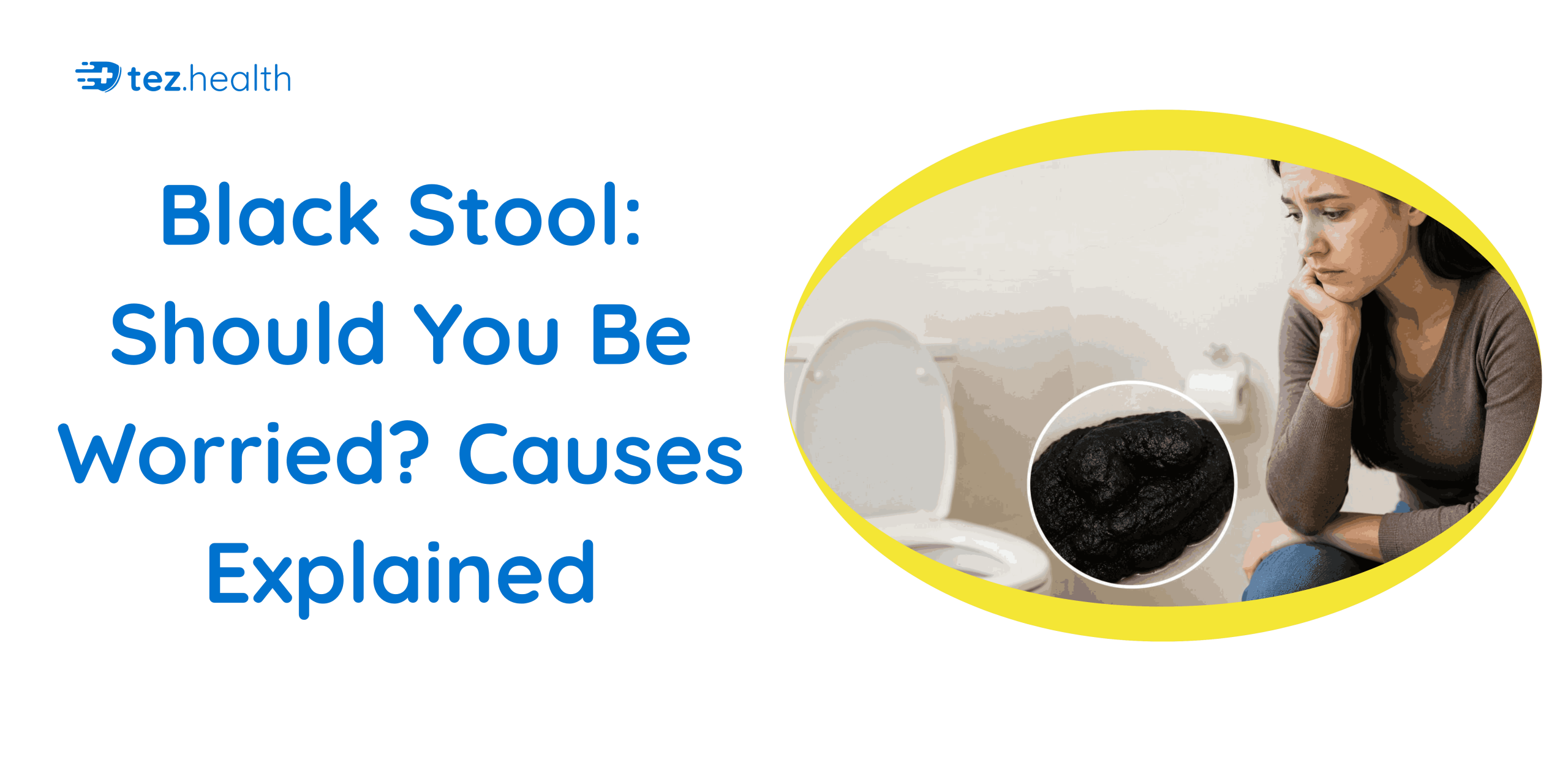
Black stool refers to bowel movements that appear dark black, sticky, or tar-like in color. Sometimes the stool may also have a strong or unusual odor.
The color change may happen due to:
- Certain foods
- Iron supplements
- Medications
- Bleeding in the digestive tract
The appearance of black stool can vary depending on the cause. For example, black stool caused by iron supplements may look dark but normal in consistency, while stool caused by internal bleeding often appears sticky, tar-like, and foul-smelling.
Why Does Stool Turn Black?
The digestive system processes food, fluids, medications, and waste before stool leaves the body.
When blood enters the upper digestive tract, it gets digested as it passes through the stomach and intestines. This digested blood can turn the stool black.
However, not all black stool is related to bleeding. Some foods and medicines naturally darken stool color temporarily.
Understanding the possible cause is important in determining whether treatment is needed.
Common Causes of Black Stool
There are several possible causes of black stool. Some are harmless, while others may require medical evaluation.
1. Iron Supplements
Iron tablets commonly cause stools to appear dark green or black. This happens because unabsorbed iron changes stool color during digestion. In most cases, this is completely harmless.
People taking iron supplements for:
- Iron deficiency
- Anemia
- Pregnancy-related deficiencies
may notice darker stools regularly.
However, if black stool occurs along with stomach pain, vomiting, or weakness, medical advice may still be needed.
2. Certain Foods
Some naturally dark-colored foods can temporarily darken stool color.
Common examples include:
- Black licorice
- Blueberries
- Dark chocolate
- Beetroot
- Spinach
- Foods with dark artificial coloring
The stool usually returns to its normal color once these foods are no longer consumed.
3. Medications
Certain medicines may also cause black stool.
A common example includes:
- Bismuth-containing medications or antacids
- These medicines react inside the digestive tract and darken stool color temporarily.
- Painkillers taken frequently may also irritate the stomach lining and increase the risk of bleeding.
4. Bleeding in the Upper Digestive Tract
One of the most important causes of black stool is bleeding from the upper digestive tract.
This may involve bleeding from:
- The stomach
- Food pipe (esophagus)
- Upper intestines
When blood gets digested during its passage through the intestines, the stool may become black and tar-like. This condition is known as melena.
Melena often has:
- Sticky texture
- Strong odor
- Dark tar-like appearance
This requires immediate medical attention.
5. Stomach Ulcers
Stomach ulcers are sores that develop in the stomach lining or upper intestines.
Ulcers may bleed slowly over time, causing:
- Black stool
- Burning stomach pain
- Acidity
- Nausea
- Vomiting
Pain may worsen after eating spicy or acidic foods. Untreated ulcers can become serious and may lead to significant internal bleeding.
6. Gastritis
Gastritis refers to inflammation of the stomach lining.
It may occur due to:
- Excess stomach acid
- Infections
- Alcohol use
- Stress
- Certain medications
In severe cases, gastritis may cause bleeding, leading to black stool.
Other symptoms may include:
- Burning stomach pain
- Acidity
- Nausea
- Loss of appetite
7. Liver Disease or Varices
Certain liver conditions can increase pressure inside blood vessels near the food pipe and stomach. This may lead to enlarged veins called varices, which can bleed into the digestive tract.
Bleeding from varices may cause:
- Black stool
- Vomiting blood
- Weakness
- Dizziness
This condition requires emergency medical care.
8. Digestive Tract Infections
Some infections affecting the digestive system may irritate the intestines or stomach lining and occasionally lead to bleeding.
Symptoms may include:
- Stomach pain
- Fever
- Diarrhea
- Nausea
- Weakness
9. Excessive Use of Painkillers
Frequent use of painkillers such as NSAIDs may damage the stomach lining and increase the risk of ulcers or bleeding.
People who regularly take pain medications may develop:
- Gastritis
- Stomach ulcers
- Black stool due to bleeding
10. Rare Digestive Conditions
In some cases, black stool may result from more serious digestive conditions affecting the stomach or intestines. Persistent or unexplained symptoms should always be medically evaluated.
Symptoms That May Occur Along With Black Stool
Black stool caused by digestive bleeding may occur along with other symptoms.
1. Stomach Pain
- Burning pain, cramps, or abdominal discomfort may indicate ulcers or gastritis.
2. Weakness or Fatigue
- Blood loss may reduce energy levels and cause tiredness.
3. Dizziness
- Internal bleeding may lead to dizziness or fainting.
4. Vomiting Blood
- Vomiting blood along with black stool requires emergency medical attention.
5. Nausea
- Digestive irritation may cause nausea or vomiting sensation.
6. Pale Skin
- Blood loss may reduce oxygen supply and cause paleness.
7. Shortness of Breath
- Severe bleeding may reduce blood levels and affect breathing.
8. Unexplained Weight Loss
- Unexpected weight loss may indicate underlying digestive disease.These symptoms should never be ignored.
When is Black Stool Harmless?
Black stool may not always indicate a serious problem.
It is often harmless if:
- You recently started iron supplements
- You consumed dark-colored foods
- You took medications containing bismuth
- The stool returns to normal within a short time
- There are no additional symptoms
Even then, persistent changes should still be monitored.
When Should You See a Doctor?
You should seek medical attention immediately if black stool:
- Appears tar-like or sticky
- Happens repeatedly
- Occurs with stomach pain or vomiting
- Is associated with weakness or dizziness
- Happens without taking iron supplements or dark foods
- Comes with blood in vomit
- Causes fainting or severe fatigue
Black stool caused by internal bleeding can become dangerous if left untreated.
How is the Cause Diagnosed?
Doctors may recommend tests to identify the source of black stool.
Common tests include:
1. Blood Tests
- These help check for anemia, infection, or blood loss.
2. Stool Examination
- A stool test may detect hidden blood or infection.
3. Endoscopy
- A thin camera is used to examine the stomach and upper digestive tract.
4. Colonoscopy
- This helps evaluate the intestines and lower digestive tract.
5. Imaging Scans
- Scans may help identify ulcers, bleeding, or digestive abnormalities. These tests help determine the exact cause and guide treatment.
Treatment for Black Stool
Treatment depends on the underlying cause.
1. If Caused by Foods or Supplements
- No treatment may be necessary.
2. If Caused by Ulcers or Gastritis
- Doctors may prescribe medications to reduce stomach acid and heal the stomach lining.
3. If Caused by Bleeding
- Emergency treatment may be required to stop bleeding and stabilize the patient.
Can Black Stool Be Prevented?
Not all causes can be prevented, but maintaining healthy digestive habits may help reduce the risk.
Helpful Prevention Tips:
- Avoid excessive alcohol consumption
- Limit smoking
- Avoid unnecessary painkiller use
- Eat a balanced diet
- Treat acidity or ulcers early
- Stay hydrated
- Attend regular medical check-ups if you have digestive conditions
Healthy digestive care can reduce irritation and lower the risk of bleeding.
Foods That Support Digestive Health
Eating healthy foods may support stomach and intestinal health.
Helpful Foods Include:
- Fruits
- Vegetables
- Whole grains
- Fiber-rich foods
- Yogurt with probiotics
Balanced meals may improve digestion and reduce stomach irritation.
Frequently Asked Questions (FAQ’s) on Black Stool: Should You Be Worried? Causes Explained
1. Is black stool always serious?
- No, black stool can happen due to foods or iron supplements, but it may also indicate internal bleeding.
2. Can iron tablets cause black stool?
- Yes, iron supplements commonly make stool appear dark or black.
3. What does tar-like black stool mean?
- Sticky, foul-smelling black stool may indicate bleeding in the upper digestive tract.
4. When should I worry about black stool?
- Seek medical help if black stool is persistent or associated with pain, dizziness, weakness, or vomiting blood.
5. Can stomach ulcers cause black stool?
- Yes, bleeding stomach ulcers can cause black or tarry stools.
6. Can certain foods turn stool black?
- Yes, foods like blueberries, black licorice, dark chocolate, and foods with dark coloring may temporarily darken stool color.
7. Can medications cause black stool?
- Yes, medicines containing bismuth and some supplements may cause black stool.
8. Is black stool caused by acidity?
- Severe gastritis or ulcers related to excess stomach acid may sometimes cause bleeding and black stool.
9. How do doctors diagnose the cause of black stool?
- Doctors may use blood tests, stool tests, endoscopy, colonoscopy, or imaging scans to identify the cause.