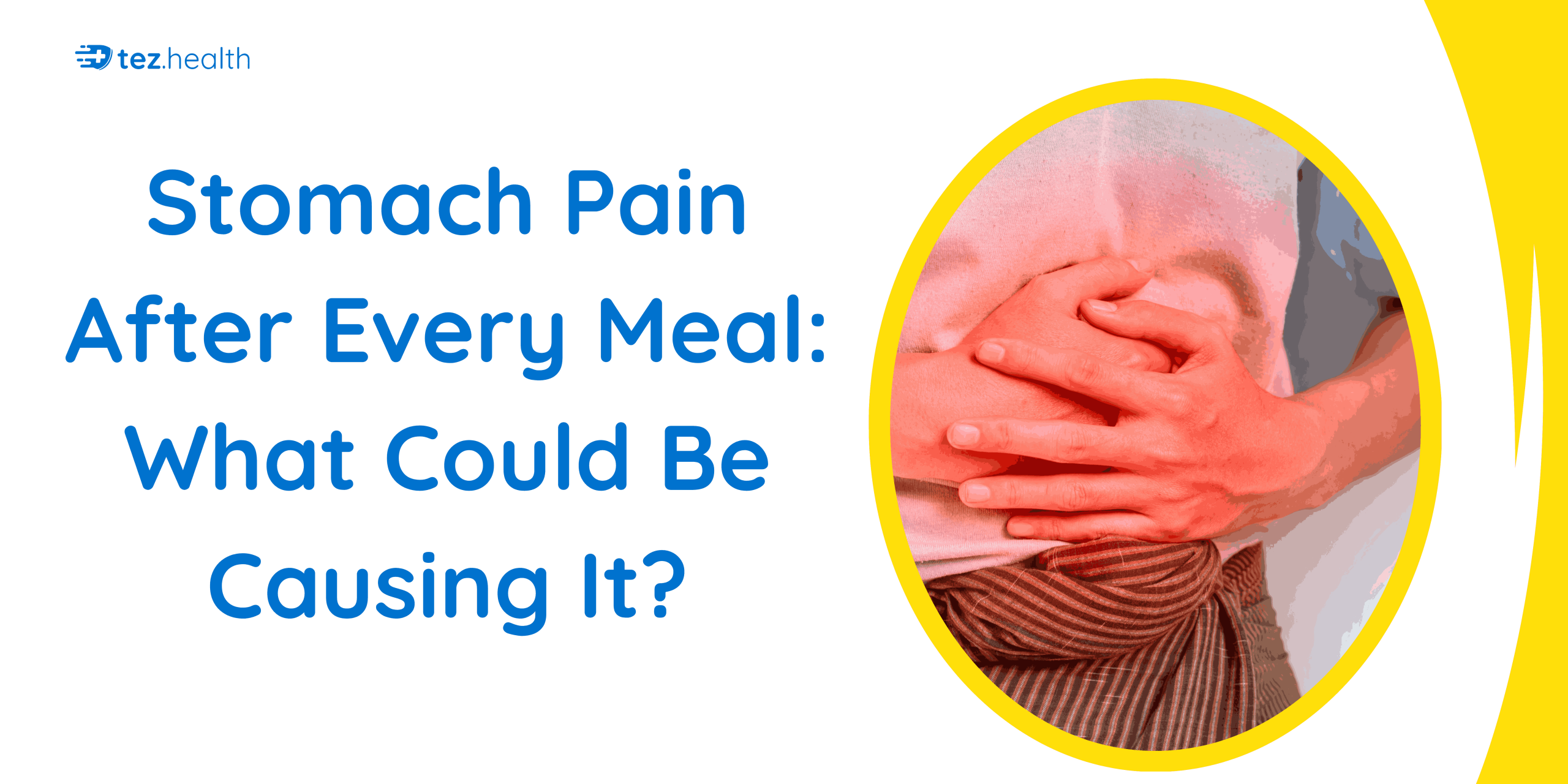
Experiencing stomach pain after eating can be uncomfortable, frustrating, and sometimes concerning. Although mild discomfort after consuming a heavy, oily, or spicy meal is fairly common, frequent stomach pain after every meal should not be ignored.
In some cases, the pain may feel like bloating, fullness, or heaviness. On the other hand, some people may experience burning sensations, cramps, or sharp abdominal pain shortly after eating. Additionally, symptoms may vary depending on the underlying digestive issue.
In many situations, stomach pain after meals is associated with digestion-related problems such as acidity, gas, indigestion, food intolerance, or inflammation within the digestive tract. Furthermore, unhealthy eating habits, overeating, or eating too quickly may also contribute to digestive discomfort.
However, if the pain becomes persistent, severe, or keeps returning regularly, it could sometimes indicate an underlying condition affecting the stomach, intestines, gallbladder, or other parts of the digestive system.
Therefore, understanding the possible causes, symptoms, and remedies can help you identify triggers early, improve your digestive health, and know when medical attention may be necessary.
Why Does Stomach Pain Happen After Eating?
After eating, the digestive system begins breaking down food so nutrients can be absorbed by the body. The stomach produces acid and digestive enzymes, while the intestines move food through the digestive tract.
If digestion is disturbed due to inflammation, excess acid, gas buildup, food intolerance, infections, or digestive disorders, it may lead to pain or discomfort after meals.
The intensity of pain can vary depending on the cause. Some people experience mild bloating or heaviness, while others may develop severe cramps, burning pain, or pressure in the abdomen.
The pain may occur:
- Immediately after eating
- Within 30 minutes
- A few hours after meals
- Only after certain foods
- After large or fatty meals
Paying attention to patterns can help identify the possible trigger.
Common Symptoms Along With Stomach Pain After Meals
Stomach pain after eating is often accompanied by other digestive symptoms.
1. Bloating
A feeling of fullness or tightness in the stomach caused by gas or slow digestion.
2. Gas or Burping
Excess gas formation may increase pressure and discomfort in the abdomen.
3. Acidity or Heartburn
A burning sensation in the chest or stomach due to acid reflux.
4. Nausea
Some digestive conditions may cause nausea after meals.
5. Fullness After Small Meals
Feeling overly full quickly may indicate digestive irritation or inflammation.
6. Diarrhea or Constipation
Changes in bowel habits may occur with digestive disorders like IBS or infections.
7. Stomach Cramps
Cramping pain may occur due to gas, bowel spasms, or digestive irritation.
8. Indigestion
Heavy meals or poor digestion may lead to discomfort and stomach heaviness.
9. Burning Sensation in the Stomach
This is commonly linked to acidity, gastritis, or ulcers.
10. Loss of Appetite
Ongoing stomach discomfort may reduce hunger or interest in food.
Persistent symptoms may indicate an underlying digestive issue that requires medical attention.
Common Causes of Stomach Pain After Eating
There are several possible reasons why stomach pain may occur after meals. While some causes are mild and temporary, others may indicate digestive conditions that require medical attention. Therefore, understanding these possible causes can help identify triggers early and improve overall digestive health.
1. Indigestion
Indigestion is one of the most common causes of stomach discomfort after eating. It usually occurs when the digestive system struggles to break down food properly. In many cases, indigestion may be triggered by overeating, eating too quickly, consuming oily or spicy foods, eating heavy meals, or having late-night dinners.
As a result, people may experience symptoms such as:
- Feeling overly full
- Burping
- Gas
- Mild stomach pain
- Burning sensation in the stomach
Additionally, indigestion may worsen if unhealthy eating habits continue regularly.
2. Acid Reflux or Gastritis
Excess stomach acid or irritation of the stomach lining can also lead to pain and discomfort after meals.
Acid Reflux
Acid reflux occurs when stomach acid flows back into the food pipe. Consequently, this may cause:
- Heartburn
- Burning sensation in the chest
- Sour taste in the mouth
- Stomach discomfort after eating
Gastritis
On the other hand, gastritis refers to inflammation of the stomach lining. It may develop due to spicy foods, alcohol consumption, stress, certain medications, or infections. As a result, many people with gastritis experience burning stomach pain, acidity, or discomfort after meals.
3. Food Intolerance
Some individuals may have difficulty digesting certain foods properly. Consequently, this may lead to stomach pain and digestive discomfort after eating.
Common food intolerances include:
- Lactose intolerance (difficulty digesting dairy products)
- Gluten sensitivity
- Certain spicy foods
- Artificial food additives
Furthermore, symptoms may include:
- Bloating
- Gas
- Abdominal cramps
- Diarrhea
- Pain after consuming trigger foods
In many cases, avoiding trigger foods may help reduce symptoms.
4. Gas and Bloating
Gas buildup inside the digestive tract can create pressure, bloating, and abdominal pain after meals. This commonly happens due to eating too quickly, swallowing excess air, drinking carbonated beverages, consuming high-fat meals, or eating certain vegetables and beans.
As a result, the discomfort may feel:
- Sharp
- Tight
- Bloated
- Cramp-like
Additionally, excess gas may also cause burping and abdominal heaviness.
5. Irritable Bowel Syndrome (IBS)
IBS is a common digestive disorder that affects bowel movement and gut sensitivity. People with IBS often experience stomach pain after meals along with other digestive symptoms.
Common symptoms include:
- Bloating
- Constipation
- Diarrhea
- Excess gas
- Abdominal discomfort after eating
Moreover, stress, anxiety, and certain foods may worsen IBS symptoms in many individuals.
6. Stomach Ulcers
Stomach ulcers are sores that develop in the stomach lining and may cause pain after eating. In many cases, ulcer-related pain feels burning in nature and may worsen after consuming spicy, acidic, or oily foods.
People with stomach ulcers may also experience:
- Burning stomach pain
- Pain after meals
- Nausea
- Acidity
- Reduced appetite
Therefore, persistent symptoms should not be ignored.
7. Gallbladder Problems
The gallbladder helps digest fats by releasing bile into the digestive system. However, conditions such as gallstones or gallbladder inflammation may lead to pain after eating fatty meals.
Typically, gallbladder pain is:
- Sharp in nature
- Felt on the upper right side of the abdomen
- Worse after oily or greasy foods
Additionally, some people may also experience nausea or bloating after meals.
8. Food Poisoning or Stomach Infections
Contaminated food, bacteria, or viral infections can irritate the digestive system and cause stomach pain after eating. Symptoms often develop within a few hours after consuming contaminated food.
Common symptoms may include:
- Stomach cramps
- Vomiting
- Diarrhea
- Fever
- Nausea
Therefore, severe or persistent symptoms may require medical attention.
9. Constipation
Slow bowel movement and trapped stool can increase abdominal pressure and discomfort after meals. In many cases, constipation may result from poor hydration, low fiber intake, or lack of physical activity.
Common symptoms of constipation include:
- Bloating
- Heaviness in the stomach
- Gas
- Lower abdominal pain
Furthermore, chronic constipation may worsen digestive discomfort over time.
10. Stress and Anxiety
Mental stress and anxiety can strongly affect digestive health. Since the digestive system is closely connected to emotional health, stress may trigger or worsen several digestive symptoms.
As a result, people may experience:
- Stomach cramps
- Acidity
- Bloating
- Indigestion
- Abdominal discomfort after meals
Additionally, many people notice worsening digestive symptoms during stressful situations or periods of anxiety.
Foods That Commonly Trigger Stomach Pain
Certain foods are more likely to trigger digestive discomfort.
Common Trigger Foods:
- Spicy foods
- Fried foods
- Oily meals
- Carbonated drinks
- Excess caffeine
- Processed foods
- Dairy products (for sensitive individuals)
- Alcohol
Identifying and avoiding personal trigger foods may help reduce symptoms.
Home Remedies & Tips for Relief
Mild digestive discomfort can often improve with simple lifestyle and dietary changes.
Eat Smaller Meals
Large meals may overload the digestive system and worsen stomach pain.
Smaller meals are often easier to digest.
Avoid Trigger Foods
Limit foods that worsen symptoms, especially:
- Fried foods
- Excess spicy foods
- Heavy processed foods
- Carbonated drinks
Stay Hydrated
Water supports healthy digestion and helps food move smoothly through the digestive tract.
Eat Slowly
Chewing food properly reduces swallowed air and improves digestion.
Avoid rushing meals whenever possible.
Limit Carbonated Drinks
Soft drinks may increase gas buildup and stomach pressure.
Reducing fizzy drinks may help decrease bloating.
Manage Stress
Stress management can improve digestion and reduce stomach discomfort.
Helpful techniques include:
- Meditation
- Deep breathing
- Yoga
- Walking
- Proper sleep
Maintain a Healthy Diet
Balanced meals rich in fiber, fruits, vegetables, and whole grains support gut health.
Avoid Lying Down Immediately After Eating
After eating, it is important to avoid lying down immediately, as this may worsen acid reflux, indigestion, and stomach discomfort. Instead, allow your body enough time to digest the food properly. Ideally, you should wait at least 2–3 hours after meals before sleeping or lying flat. This can help support smoother digestion and reduce the chances of acidity and heartburn.
Can Stomach Pain After Meals Be Prevented?
In many cases, yes. Healthy digestive habits can significantly reduce symptoms.
Prevention Tips:
- Eat meals at regular times
- Avoid overeating
- Stay hydrated
- Exercise regularly
- Limit processed foods
- Reduce stress
- Avoid known trigger foods
Simple lifestyle changes often improve digestion naturally.
When Should You See a Doctor?
Consult a doctor if stomach pain:
- Happens after every meal regularly
- Becomes severe or sharp
- Is associated with vomiting
- Causes unexplained weight loss
- Occurs with fever
- Includes blood in stool or vomit
- Comes with persistent diarrhea or constipation
- Interferes with eating or daily activities
These symptoms may require medical evaluation and treatment.
Possible Complications if Ignored
Ignoring persistent stomach pain may sometimes lead to complications such as:
- Chronic acidity
- Ulcers
- Malnutrition
- Severe digestive disorders
- Dehydration
- Worsening infections
Early diagnosis can help prevent complications and improve treatment outcomes.
Frequently Asked Questions (FAQ’s) on Stomach Pain After Every Meal: What Could Be Causing It?
1. Why does my stomach hurt after eating?
Stomach pain after eating may occur due to several digestive issues such as indigestion, acidity, gas, food intolerance, IBS, ulcers, or other stomach-related conditions. Moreover, unhealthy eating habits and certain trigger foods may also contribute to discomfort after meals.
2. Is stomach pain after every meal considered normal?
While mild discomfort after overeating or eating spicy foods can sometimes be common, frequent stomach pain after meals should not be ignored. If the pain continues regularly, it is advisable to consult a doctor for proper evaluation.
3. Which foods commonly trigger stomach pain?
Certain foods may irritate the digestive system and lead to discomfort after eating. Common trigger foods include spicy dishes, oily or fried foods, dairy products, processed foods, carbonated drinks, and excessive caffeine.
4. Can stress and anxiety cause stomach pain after meals?
Yes, stress and anxiety can directly affect digestion. As a result, some people may experience bloating, acidity, stomach cramps, or pain after eating during stressful situations.
5. Can gas lead to stomach pain after eating?
Yes, gas buildup inside the stomach or intestines can create pressure and abdominal discomfort. Consequently, this may cause bloating, heaviness, and stomach pain after meals.
6. Does eating food too quickly affect digestion?
Yes, eating too fast may negatively impact digestion. In addition to increasing swallowed air, it may also lead to indigestion, bloating, and stomach discomfort after meals.
7. Can acidity or acid reflux cause pain after eating?
Yes, acidity and acid reflux commonly cause burning pain and discomfort after meals. Furthermore, symptoms such as heartburn, chest burning, and a sour taste in the mouth may also occur.
8. How can stomach pain after eating be reduced naturally?
In many cases, simple lifestyle changes may help improve digestion naturally. For example, eating smaller meals, chewing food properly, staying hydrated, avoiding trigger foods, and reducing stress may help reduce stomach discomfort.
9. When should I consult a doctor for stomach pain after eating?
Although occasional mild discomfort may not be serious, medical attention is important if the pain becomes severe, persistent, or keeps returning frequently. Additionally, symptoms such as vomiting, fever, blood in the stool, or unexplained weight loss should never be ignored.
10. Can stomach pain after meals be prevented?
Yes, in many cases, stomach pain after meals can be prevented by maintaining healthy eating habits, staying physically active, drinking enough water, and avoiding foods that trigger digestive discomfort.