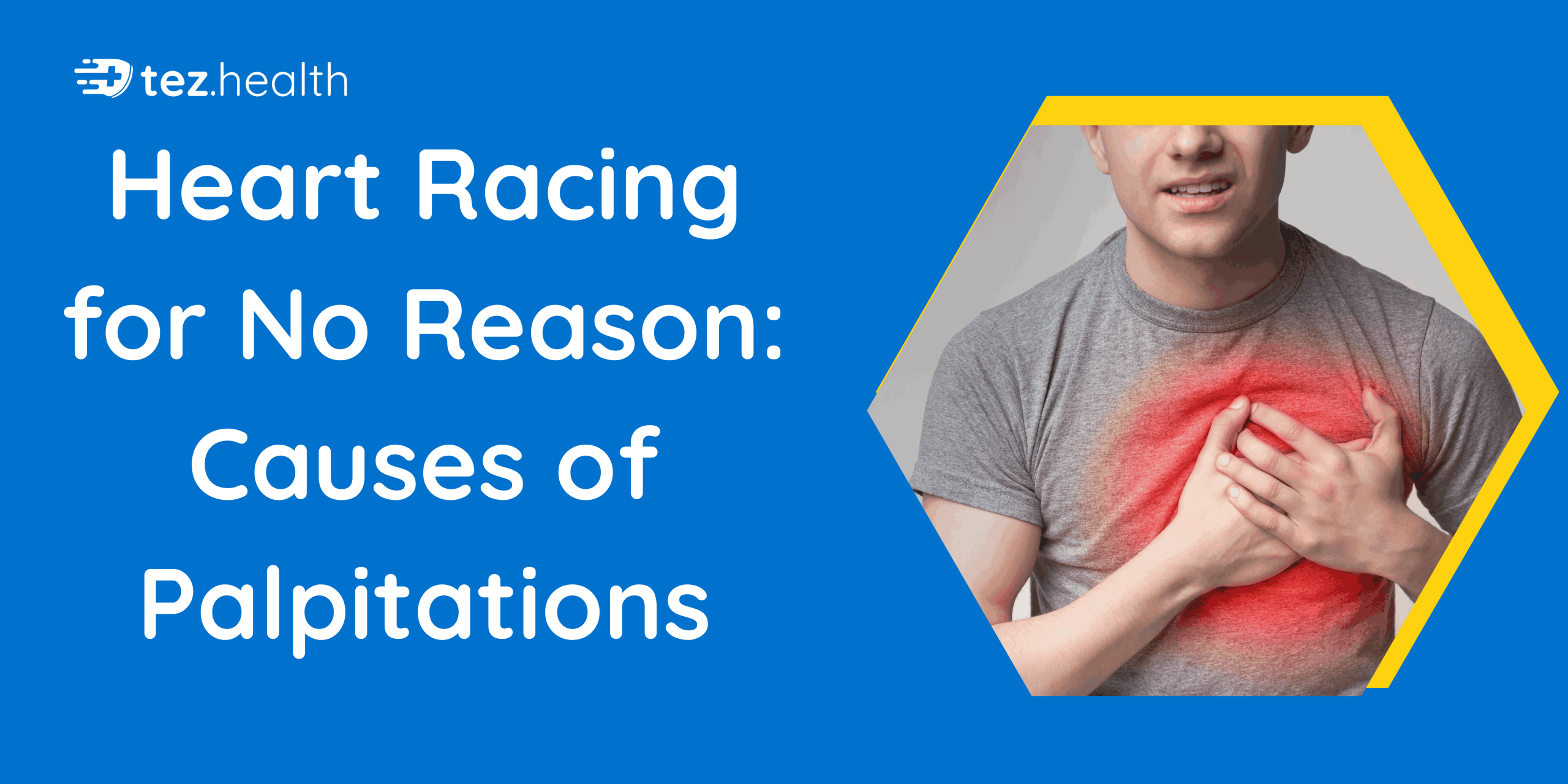
Feeling sudden pounding, fluttering, racing, or skipped heartbeats can feel frightening and uncomfortable. These sensations are known as heart palpitations and may happen occasionally or more frequently in some people. While many cases are harmless and temporary, persistent or severe palpitations should never be ignored.
Heart palpitations may occur during stress, after drinking too much caffeine, during exercise, or even while resting quietly. Some people notice their heart beating harder, faster, or irregularly for a few seconds, while others may experience symptoms lasting several minutes or longer.
In many cases, palpitations are linked to common lifestyle factors such as anxiety, dehydration, lack of sleep, or excess stimulants. However, they can sometimes indicate underlying medical conditions such as thyroid disorders, anemia, heart rhythm abnormalities, or heart disease.
Understanding the possible causes, symptoms, warning signs, and treatment options can help you recognize when heart racing is temporary and when medical evaluation becomes important.
What Are Heart Palpitations?
Heart palpitations are sensations where you become unusually aware of your heartbeat. Instead of the heart beating quietly in the background, you may suddenly feel your heart:
- Racing
- Fluttering
- Pounding
- Skipping beats
- Beating too hard
- Beating irregularly
Palpitations may be felt in:
- The chest
- The throat
- The neck
Episodes may last:
- A few seconds
- Several minutes
- Occasionally longer
Some people experience palpitations rarely, while others may notice them frequently.
How the Heart Normally Beats
The heart works through electrical signals that control heartbeat rhythm and speed.
Normally:
- The heart beats steadily
- Blood circulates efficiently
- Heart rate adjusts naturally during activity or rest
When something temporarily affects the heart’s rhythm or stimulation, palpitations may occur.
These changes may result from:
- Stress hormones
- Stimulants
- Illness
- Hormonal imbalance
- Changes in blood circulation
Common Symptoms Along With Palpitations
Depending on the underlying cause, heart palpitations may occur with additional symptoms.
Common symptoms include:
- Dizziness
- Lightheadedness
- Shortness of breath
- Chest discomfort
- Sweating
- Anxiety
- Fatigue
- Weakness
- Feeling faint
- Trembling
- Restlessness
In some cases, associated symptoms may indicate a serious heart-related condition that requires immediate medical attention.
Common Causes of Heart Racing & Palpitations
There are many possible reasons why the heart may suddenly race or feel irregular.
1. Stress and Anxiety
Emotional stress and anxiety are among the most common causes of palpitations.
During stress:
- The body releases adrenaline
- Heart rate increases
- Blood pressure may rise
- Muscles become tense
Panic attacks may cause:
- Rapid heartbeat
- Sweating
- Chest tightness
- Breathlessness
- Trembling
Stress-related palpitations are often temporary but may become frequent during periods of emotional strain.
2. Excess Caffeine
Too much caffeine can overstimulate the heart and nervous system.
Common caffeine sources include:
- Coffee
- Tea
- Energy drinks
- Soft drinks
- Pre-workout supplements
Excess intake may lead to:
- Rapid heartbeat
- Fluttering sensations
- Nervousness
- Restlessness
Some individuals are more sensitive to caffeine than others.
3. Lack of Sleep
Sleep deprivation affects stress hormones, nervous system activity, and heart rhythm stability.
Poor sleep may contribute to:
- Increased heart rate
- Fatigue
- Anxiety
- Irregular heartbeat sensations
Chronic sleep deprivation may worsen symptoms over time.
4. Dehydration
Low fluid levels may affect blood circulation and electrolyte balance.
Dehydration can cause:
- Rapid heartbeat
- Weakness
- Dizziness
- Low blood pressure
- Fatigue
Hot weather, illness, or inadequate water intake may trigger symptoms.
5. Intense Exercise
Physical activity naturally increases heart rate to supply oxygen to the muscles. Temporary palpitations after exercise may be normal. However, persistent or severe symptoms during exercise should be evaluated.
6. Smoking and Alcohol
Nicotine and alcohol may irritate the heart and interfere with normal rhythm.
Smoking may:
- Increase heart rate
- Narrow blood vessels
- Reduce oxygen circulation
Excess alcohol may trigger irregular heartbeats in some individuals.
7. Low Blood Sugar
Skipping meals or long gaps between eating may lower blood sugar levels.
Symptoms may include:
- Weakness
- Sweating
- Shakiness
- Rapid heartbeat
- Dizziness
Eating balanced meals regularly may help prevent symptoms.
8. Thyroid Disorders
The thyroid gland helps regulate metabolism and heart function.
An overactive thyroid (hyperthyroidism) may cause:
- Rapid heartbeat
- Nervousness
- Weight loss
- Sweating
- Palpitations
Thyroid-related symptoms often require blood tests and medical treatment.
9. Heart Rhythm Disorders (Arrhythmias)
Some palpitations may result from abnormal electrical activity in the heart.
Examples include:
- Atrial fibrillation
- Supraventricular tachycardia
- Premature heartbeats
These conditions may cause:
- Fast heart rate
- Irregular rhythm
- Dizziness
- Fainting
- Chest discomfort
Medical evaluation is important for persistent rhythm problems.
10. Anemia
Anemia occurs when the body has low hemoglobin or reduced oxygen-carrying capacity.
The heart may work harder to deliver oxygen throughout the body, leading to:
- Rapid heartbeat
- Fatigue
- Weakness
- Breathlessness
Iron deficiency is a common cause of anemia.
11. Hormonal Changes
Hormonal fluctuations during:
- Pregnancy
- Menopause
- Menstrual cycles
may sometimes trigger temporary palpitations.
12. Certain Medications
Some medications may increase heart rate or trigger palpitations, including:
- Asthma inhalers
- Decongestants
- Thyroid medications
- Some weight-loss supplements
Medication-related symptoms should be discussed with a doctor.
When Should You Worry About Palpitations?
Occasional palpitations may be harmless, but some symptoms require urgent medical evaluation.
Seek immediate medical attention if palpitations:
- Occur with chest pain
- Cause fainting
- Lead to severe dizziness
- Occur with breathlessness
- Happen repeatedly during rest
- Last for several minutes
- Occur with weakness or sweating
- Are associated with loss of consciousness
These symptoms may indicate serious heart rhythm problems or circulation issues.
How Palpitations Affect Daily Life
Frequent palpitations may interfere with:
- Sleep quality
- Physical activity
- Work performance
- Concentration
- Emotional well-being
Some individuals may develop fear or anxiety about future episodes, which can further worsen symptoms.
Home Remedies & Lifestyle Tips
Mild palpitations often improve with healthy lifestyle habits.
1. Reduce Stress
Stress management may help reduce adrenaline-related heart racing.
Helpful techniques include:
- Meditation
- Deep breathing
- Yoga
- Relaxation exercises
2. Limit Caffeine Intake
Reducing coffee, tea, energy drinks, and stimulants may improve symptoms in sensitive individuals.
3. Stay Hydrated
Drinking enough water supports healthy blood circulation and electrolyte balance.
4. Get Proper Sleep
Healthy sleep supports nervous system balance and stable heart rhythm. Adults generally need adequate nightly sleep for optimal heart health.
5. Avoid Smoking & Excess Alcohol
Reducing or quitting smoking and limiting alcohol intake may help reduce palpitations.
6. Exercise Moderately
Regular physical activity supports:
- Heart health
- Blood circulation
- Stress reduction
However, excessive exercise without proper conditioning may worsen symptoms.
7. Eat Balanced Meals
Avoid skipping meals and maintain stable blood sugar levels through balanced nutrition.
Healthy foods include:
- Fruits
- Vegetables
- Whole grains
- Lean proteins
- Nuts and seeds
How Are Palpitations Diagnosed?
Doctors may recommend several tests depending on symptoms and medical history.
These may include:
- Physical examination
- ECG (electrocardiogram)
- Blood tests
- Heart monitoring tests
- Thyroid testing
- Blood pressure evaluation
- Echocardiogram in some cases
Diagnosis focuses on identifying heart rhythm abnormalities or underlying medical conditions.
Treatment Options for Palpitations
Treatment depends on the underlying cause.
Possible treatments may include:
- Stress management
- Lifestyle modifications
- Reducing caffeine intake
- Hydration support
- Treatment for thyroid disorders
- Iron supplements for anemia
- Medications for heart rhythm problems
Treating the root cause is important for long-term symptom control.
Can Palpitations Be Prevented?
In many cases, yes. Healthy lifestyle habits may reduce the frequency of palpitations.
Helpful preventive steps include:
- Managing stress
- Limiting stimulants
- Staying hydrated
- Getting proper sleep
- Exercising regularly
- Avoiding smoking
- Managing thyroid disorders and anemia early
Regular medical checkups may also help detect heart-related conditions early.
Frequently Asked Questions (FAQ’s) on Heart Racing for No Reason: Causes of Palpitations
1. Are heart palpitations dangerous?
Occasional palpitations are often harmless, but frequent or severe symptoms should be medically evaluated.
2. Can anxiety cause a racing heart?
Yes, stress and anxiety are very common causes of heart palpitations.
3. Can caffeine trigger palpitations?
Yes, excess caffeine may overstimulate the heart and cause fluttering or rapid heartbeat sensations.
4. When should I go to the hospital for palpitations?
Seek urgent medical care if palpitations occur with chest pain, fainting, severe dizziness, or breathlessness.
5. Can dehydration cause heart racing?
Yes, dehydration may affect circulation and increase heart rate.
6. Can lack of sleep affect heart rhythm?
Yes, poor sleep may increase stress hormones and contribute to palpitations.
7. Can anemia cause palpitations?
Yes, anemia forces the heart to work harder to deliver oxygen throughout the body.
8. Can thyroid problems cause rapid heartbeat?
Yes, an overactive thyroid may increase heart activity and cause palpitations.
9. Can smoking trigger palpitations?
Yes, nicotine stimulates the heart and may worsen irregular heartbeat sensations.
10. Can lifestyle changes reduce palpitations?
Yes, stress reduction, hydration, proper sleep, limiting caffeine, and regular exercise may help reduce symptoms.